(434) 252-3783
Best Siding for a House: 5 Top Materials Compared for Homes
 4.22.26
 9 minutes read

Choosing the right exterior for your home is one of the most important investments you can make as a homeowner. The siding you select impacts curb appeal, energy efficiency, maintenance needs, and long-term protection against the elements. If you have been wondering what is the best siding for a house, understanding the pros and cons of today’s top materials can help you make a confident decision. Whether you are planning a full exterior upgrade or exploring options for better durability, working with professionals experienced in high-quality exterior upgrades can make the process much easier.
In this guide, you will learn:
- How siding affects your home’s value and protection
- The strengths and weaknesses of the top siding materials
- Which siding options perform best in different climates
- What factors homeowners should consider before making a final choice
- Tips for maximizing the lifespan of your siding investment
Why Choosing the Right Siding Matters
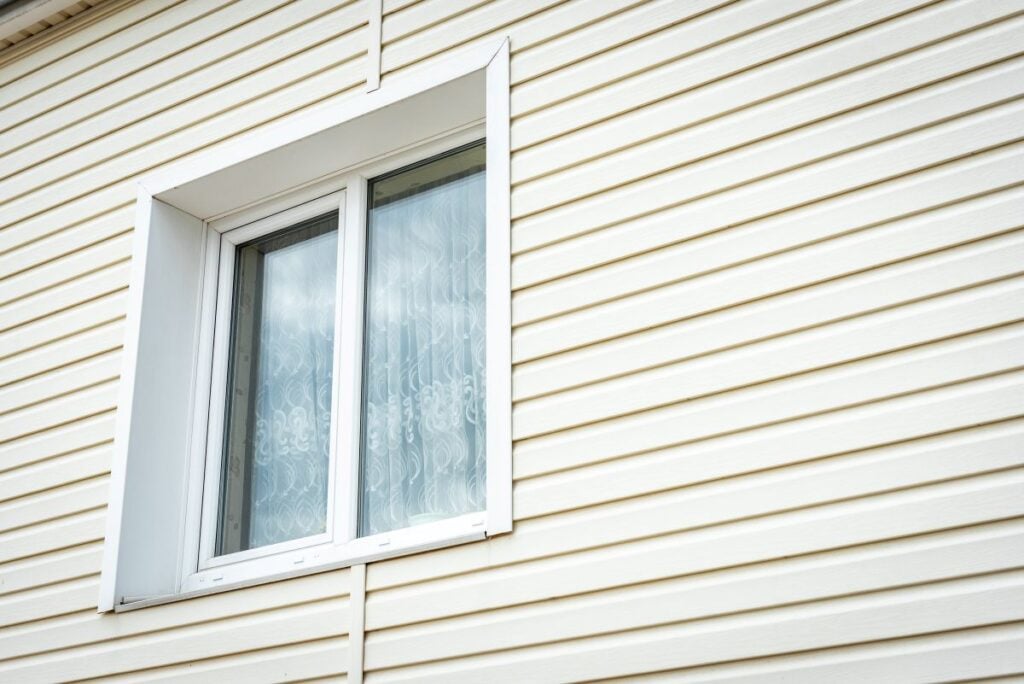
Your siding does far more than improve the appearance of your home. It acts as the first layer of defense against rain, wind, humidity, pests, and temperature fluctuations. The wrong siding material can lead to expensive repairs, poor insulation, and ongoing maintenance headaches.
Homeowners in Roanoke Rapids, NC and surrounding areas often experience a mix of hot summers, seasonal storms, humidity, and fluctuating temperatures throughout the year. Because of this, selecting durable siding that performs well in changing weather conditions is especially important.
Here are several major benefits of investing in the right siding material:
- Improved Energy Efficiency: Quality siding helps regulate indoor temperatures and can reduce heating and cooling costs.
- Enhanced Curb Appeal: Updated siding instantly refreshes the look of your home and increases visual appeal.
- Better Moisture Protection: Durable siding prevents water intrusion that could damage framing, insulation, or drywall.
- Higher Property Value: Homes with modern siding often attract buyers and maintain stronger resale value.
- Reduced Maintenance Requirements: Some materials require very little upkeep, saving homeowners time and money over the years.
The best siding choice depends on your budget, aesthetic goals, maintenance preferences, and local climate conditions. Understanding how each material performs can help narrow your options.
5 Top Siding Materials Compared for Homes
There is no one-size-fits-all answer when determining the best siding for a house. Each material offers unique advantages and potential drawbacks. Below is a detailed comparison of the five most popular siding options homeowners consider today.
1. Vinyl Siding
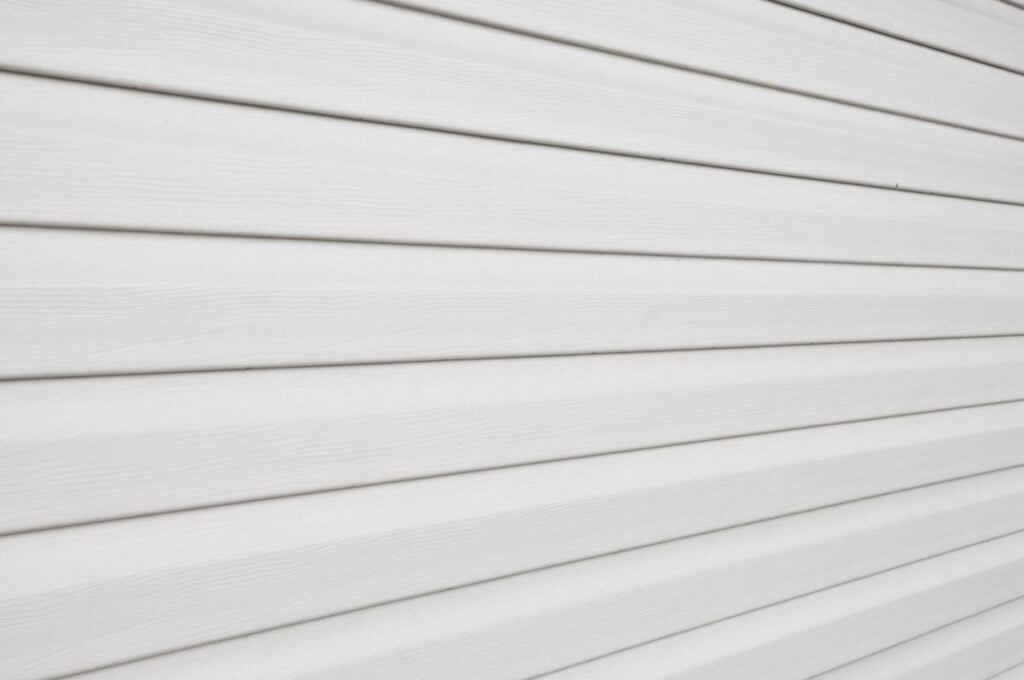
Vinyl siding remains one of the most popular choices in the country because it offers affordability, versatility, and relatively low maintenance. Modern vinyl siding is available in many colors, textures, and styles, making it easier than ever to customize your home’s exterior.
For homeowners in Roanoke Rapids, NC and surrounding areas, vinyl siding can perform well in humid climates when installed properly with adequate moisture barriers.
Key advantages of vinyl siding include:
- Affordable installation costs
- Minimal maintenance requirements
- Wide variety of colors and styles
- Resistant to rot and insect damage
- Easy replacement of damaged sections
However, vinyl siding does have some limitations. Extreme heat may cause warping, while lower-quality products can fade over time. It also may not offer the same premium appearance or impact resistance as other materials.
Vinyl siding is often best for homeowners seeking a cost-effective balance between durability and appearance.
2. Fiber Cement Siding
Fiber cement siding has become increasingly popular because it combines strength, longevity, and aesthetic versatility. Products like James Hardie siding are designed to mimic the appearance of wood while offering significantly better durability.
Fiber cement is made from a blend of cement, sand, and cellulose fibers, creating a highly durable material capable of withstanding moisture, pests, fire exposure, and harsh weather.
Benefits of fiber cement siding include:
- Exceptional durability and lifespan
- Strong resistance to moisture and humidity
- Fire-resistant properties
- Attractive wood-like appearance
- Excellent color retention with factory finishes
The biggest drawbacks are higher installation costs and heavier material weight. Proper installation is critical because fiber cement requires specialized tools and experience.
For homeowners wanting long-term performance with upscale curb appeal, fiber cement is often considered one of the best overall siding materials available.
3. Engineered Wood Siding
Engineered wood siding offers the classic warmth and appearance of natural wood while improving resistance to moisture and pests. This material is manufactured using wood fibers combined with resins and protective coatings.
Many homeowners appreciate engineered wood because it delivers a natural appearance without the extensive maintenance requirements associated with traditional wood siding.
Advantages include:
- More affordable than natural wood
- Strong visual appeal
- Better resistance to termites and moisture than standard wood
- Lighter weight than fiber cement
- Easier installation process
Despite its benefits, engineered wood still requires regular maintenance and repainting over time. Water intrusion can also become an issue if the protective finish becomes compromised.
Engineered wood works well for homeowners who love the appearance of wood but want improved durability and lower upkeep.
4. Natural Wood Siding
Natural wood siding has long been valued for its timeless beauty and authentic character. Cedar, pine, redwood, and cypress are among the most common wood siding options.
Wood siding creates a rich, traditional appearance that many homeowners find unmatched by manufactured materials. It can be stained or painted in nearly any color and offers excellent customization opportunities.
Benefits of natural wood siding include:
- Beautiful and authentic appearance
- Customizable finishes and colors
- Renewable material option
- Strong insulation properties
- Timeless architectural appeal
However, wood siding requires consistent maintenance to prevent rot, moisture damage, insect infestations, and fading. Regular sealing, staining, or painting is essential for preserving its appearance and structural integrity.
In humid regions like Roanoke Rapids, NC and surrounding areas, homeowners should carefully consider maintenance expectations before choosing natural wood siding.
5. Metal Siding
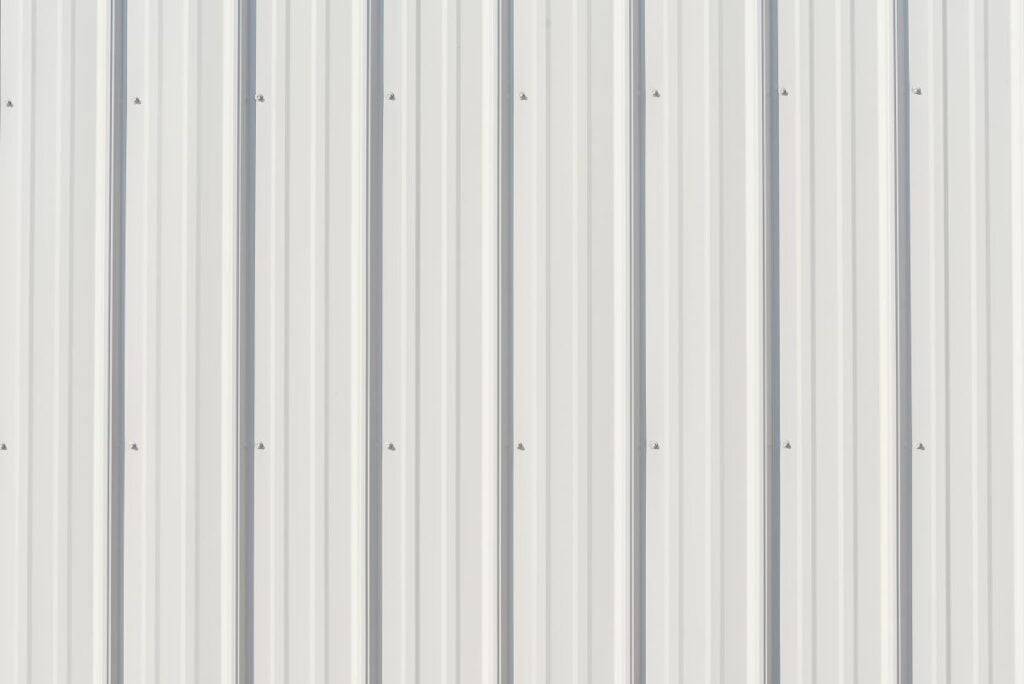
Metal siding has gained popularity in modern residential construction due to its sleek appearance, strength, and low maintenance needs. Aluminum and steel are the two most common types used for homes.
Metal siding performs especially well in areas exposed to severe weather because it resists fire, insects, and moisture-related deterioration.
Key advantages include:
- Extremely durable and long-lasting
- Fire-resistant material
- Minimal maintenance required
- Modern and contemporary appearance
- Resistant to rot and pests
Potential disadvantages include higher upfront costs and the possibility of dents from hail or impacts. Some homeowners also prefer a more traditional appearance than metal siding provides.
Metal siding is ideal for homeowners seeking modern aesthetics and excellent weather resistance.
How to Choose the Best Siding for Your Home
With so many quality materials available, narrowing down the best siding option often comes down to understanding your priorities. Every home has unique needs based on architecture, climate, budget, and long-term maintenance expectations.
Before making a final decision, homeowners should evaluate several important factors.
Consider Your Climate
Weather conditions play a major role in siding performance. Homes exposed to humidity, heavy rainfall, wind, or extreme heat need materials designed to handle those conditions.
For example:
- Fiber cement performs exceptionally well in humid climates.
- Vinyl siding offers good moisture resistance but may struggle in extreme heat.
- Wood siding requires extra maintenance in damp environments.
- Metal siding handles storms and fire exposure extremely well.
Choosing siding designed for your local climate can significantly improve lifespan and reduce repair costs.
Evaluate Maintenance Expectations
Some homeowners prefer a low-maintenance exterior, while others are willing to invest time into preserving natural materials.
Low-maintenance options include:
- Vinyl siding
- Fiber cement siding
- Metal siding
Higher-maintenance materials include:
- Natural wood siding
- Certain engineered wood products
Understanding your long-term maintenance expectations can help prevent frustration later.
Think About Curb Appeal
Siding dramatically impacts your home’s appearance. The best material should complement your home’s architecture and improve overall curb appeal.
Traditional homes often pair beautifully with:
- Fiber cement lap siding
- Cedar shake siding
- Engineered wood siding
Modern homes may look best with:
- Metal panels
- Smooth fiber cement finishes
- Contemporary vinyl profiles
Homeowners in Roanoke Rapids, NC and surrounding areas often prioritize siding styles that blend durability with classic Southern curb appeal.
Compare Long-Term Value
While initial cost matters, homeowners should also consider lifespan, maintenance costs, and potential energy savings.
Here is a simple comparison of common siding materials:
| Siding Material | Average Lifespan | Maintenance Level | Relative Cost |
| Vinyl | 20 to 30 years | Low | Low |
| Fiber Cement | 30 to 50 years | Moderate | Moderate to High |
| Engineered Wood | 20 to 30 years | Moderate | Moderate |
| Natural Wood | 20 to 40 years | High | High |
| Metal | 40 to 70 years | Low | High |
A higher upfront investment may deliver better long-term value if it reduces repairs and extends lifespan.
Common Mistakes Homeowners Make When Selecting Siding
Even high-quality siding can fail prematurely if homeowners overlook important details during the selection or installation process. Understanding common mistakes can help protect your investment.
Prioritizing Price Over Quality
Budget matters, but choosing the cheapest siding option available may lead to higher repair and replacement costs later. Lower-quality products often fade, crack, warp, or deteriorate more quickly.
Instead of focusing only on initial cost, homeowners should evaluate:
- Manufacturer warranties
- Material durability
- Expected lifespan
- Maintenance requirements
- Installation quality
Investing in higher-quality siding often results in better long-term value.
Ignoring Proper Installation
Even premium siding materials can fail if installed incorrectly. Improper flashing, poor moisture barriers, or incorrect fastening techniques may lead to water intrusion and structural damage.
Professional installation helps ensure:
- Proper ventilation
- Secure attachment
- Correct moisture management
- Manufacturer warranty compliance
- Long-lasting performance
This is especially important in humid regions where moisture protection is critical.
Choosing the Wrong Color or Style
Some homeowners focus heavily on current design trends without considering long-term appeal. Bold colors or highly trendy styles may feel outdated after several years.
Neutral, timeless siding colors often provide the best balance between curb appeal and resale value. Homeowners should also consider how siding pairs with roofing, trim, shutters, and landscaping.
Overlooking Energy Efficiency
Siding contributes to your home’s insulation and thermal performance. Insulated siding systems can help improve indoor comfort while lowering utility costs.
When evaluating siding, consider:
- Insulated backing options
- Compatibility with house wrap systems
- Overall thermal resistance
- Ventilation and moisture management
Energy-efficient siding may offer long-term savings that offset higher initial costs.
Protect Your Home With the Right Siding Solution
Choosing the best siding for your home is about more than appearance alone. The right material protects your investment, improves energy efficiency, enhances curb appeal, and helps your home withstand years of changing weather conditions. Whether you prefer the affordability of vinyl, the durability of fiber cement, or the natural beauty of wood, selecting quality materials and professional installation is essential for long-term performance.
Homeowners throughout Roanoke Rapids, NC and surrounding areas can benefit from expert guidance when comparing siding options and planning exterior upgrades. Kenneth Daniel Roofing helps homeowners choose siding solutions that fit their style, budget, and long-term goals. If you are ready to improve your home’s exterior with confidence, contact us today to schedule your consultation with Kenneth Daniel Roofing.
EXPLORE OUR RECENT ARTICLES
We’re Redefining Roofing. You In?