(434) 252-3783
Low Maintenance Siding: 5 Best Options for Easy Upkeep
 5.6.26
 9 minutes read
Keeping your home protected and attractive should not require constant repairs, repainting, or cleaning. That is why many homeowners prioritize low maintenance siding when upgrading their exterior. The right siding material can improve curb appeal while minimizing upkeep, saving time and reducing long-term maintenance costs. Whether you are replacing aging siding or building a new home, choosing durable materials designed for easy care can make a major difference over time. Homeowners researching durable exterior improvement options often focus on siding materials that offer strong performance with minimal maintenance demands.
In this guide, you will learn:
- Why low maintenance siding is a smart investment
- The best siding materials for easy upkeep
- Pros and cons of popular siding options
- How climate affects siding durability
- Maintenance tips that help siding last longer
- Factors homeowners should compare before choosing siding
Why Homeowners Are Choosing Low Maintenance Siding
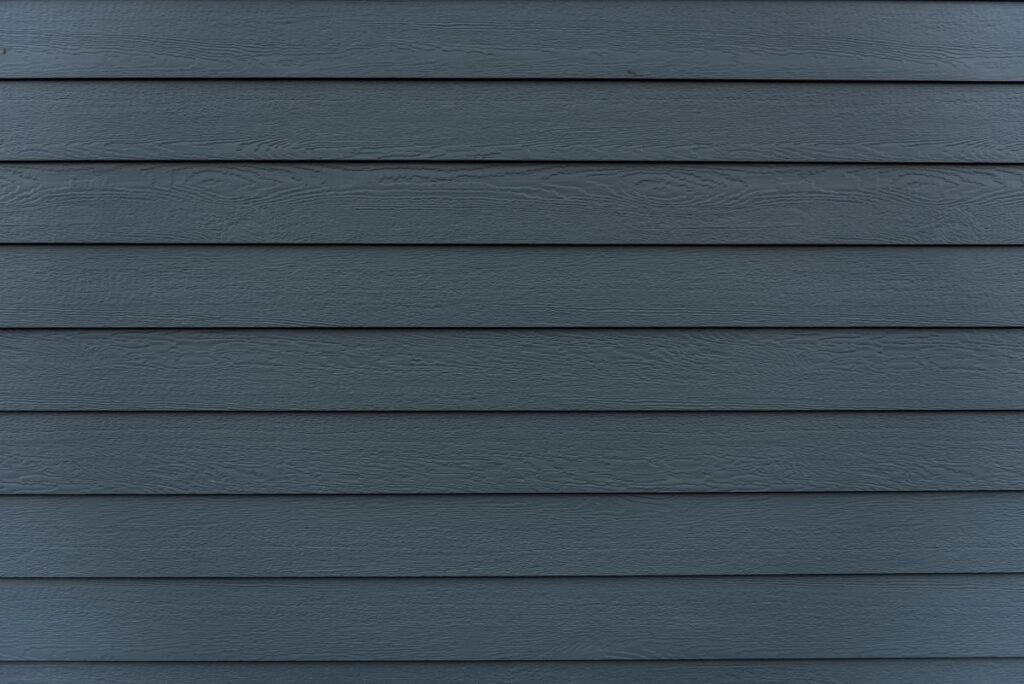
Modern homeowners want exterior materials that look great without requiring constant attention. Traditional siding materials often demand regular painting, sealing, or repairs to remain in good condition. Low maintenance siding reduces those responsibilities while still delivering long-lasting protection and curb appeal.
Homeowners in Nashville, NC and surrounding areas frequently experience humidity, rain, heat, and seasonal storms that can accelerate siding wear. Choosing durable, low-maintenance materials helps minimize weather-related deterioration and ongoing upkeep costs.
There are several major reasons why low maintenance siding continues to grow in popularity.
- Reduced Upkeep: Durable siding materials require less cleaning, painting, and repair work over time.
- Long-Term Savings: Lower maintenance costs can help homeowners save money throughout the lifespan of the siding.
- Improved Curb Appeal: Modern siding materials maintain their appearance longer with less fading and wear.
- Better Moisture Resistance: Many low maintenance materials resist mold, rot, and water intrusion more effectively.
- Greater Convenience: Homeowners spend less time worrying about exterior maintenance and repairs.
The right siding material can provide decades of protection while helping homeowners avoid many common maintenance headaches.
5 Best Low Maintenance Siding Options for Homeowners
Not all siding materials perform the same when it comes to durability and upkeep. Some require regular painting and sealing, while others are designed to remain attractive with very little maintenance.
Below are five of the most popular low maintenance siding options homeowners should consider.
1. Vinyl Siding
Vinyl siding remains one of the most popular low maintenance siding choices in the country. It offers affordability, versatility, and easy care, making it attractive for homeowners looking for reliable performance without extensive upkeep.
Modern vinyl siding is available in a wide range of:
- Colors
- Textures
- Profiles
- Thicknesses
- Architectural styles
Benefits of vinyl siding include:
- No painting required
- Easy cleaning with soap and water
- Resistance to rot and insects
- Affordable installation costs
- Wide variety of design options
Vinyl siding also performs well in humid climates when installed properly with quality moisture barriers.
However, homeowners should understand that lower-quality vinyl may crack, fade, or warp over time, especially under prolonged heat exposure.
For many homeowners in Nashville, NC and surrounding areas, vinyl siding provides an excellent balance between affordability and easy maintenance.
2. Fiber Cement Siding
Fiber cement siding is known for its exceptional durability and long lifespan. Made from cement, sand, and cellulose fibers, this material offers strong resistance to moisture, pests, fire, and weather-related damage.
Fiber cement is especially popular among homeowners seeking a more premium appearance with relatively low maintenance requirements.
Advantages include:
- Excellent durability
- Resistance to rot and termites
- Strong weather performance
- Attractive wood-like appearance
- Long-lasting factory finishes
Fiber cement siding generally requires:
- Occasional cleaning
- Periodic caulking inspections
- Repainting every 10 to 15 years depending on finish quality
While installation costs are typically higher than vinyl, many homeowners feel the added durability and curb appeal justify the investment.
3. Engineered Wood Siding
Engineered wood siding combines real wood fibers with resins and protective coatings to create a more durable alternative to traditional wood siding.
This option offers the warmth and appearance of natural wood while reducing many of the maintenance concerns associated with untreated lumber.
Benefits of engineered wood siding include:
- Authentic wood appearance
- Improved moisture resistance
- Better insect protection
- Easier installation
- Lower maintenance than natural wood
Engineered wood still requires occasional repainting or refinishing, but generally less frequently than traditional wood siding.
Homeowners who want classic curb appeal without intensive upkeep often find engineered wood to be a strong compromise.
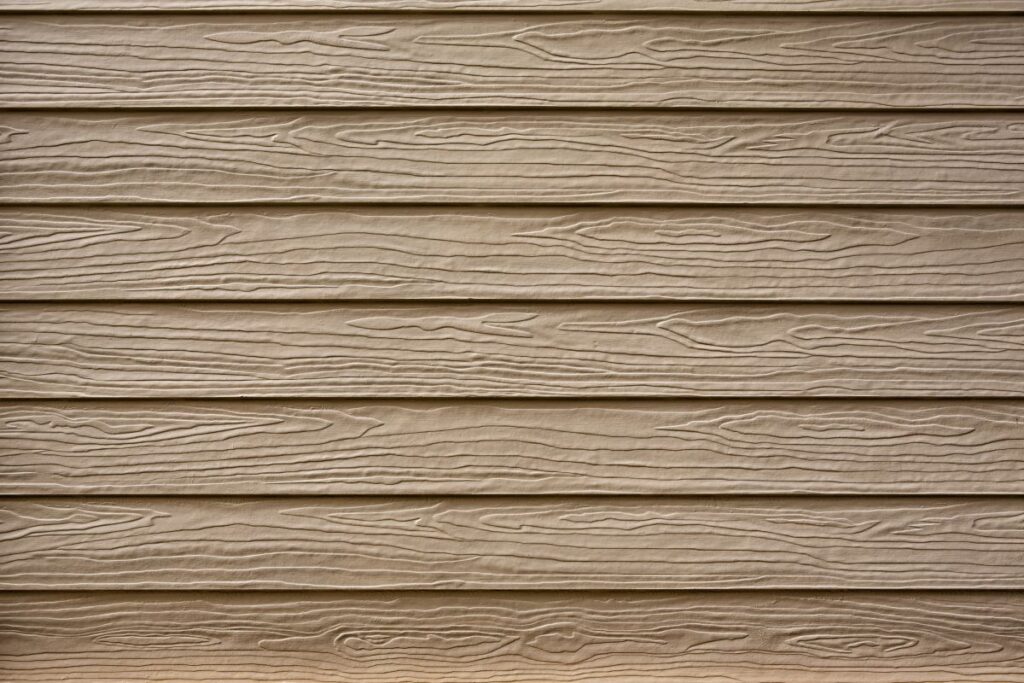
4. Metal Siding
Metal siding has become increasingly popular for residential applications because of its durability and minimal maintenance requirements.
Steel and aluminum siding both provide excellent resistance to:
- Fire
- Insects
- Rot
- Moisture damage
- Harsh weather
Benefits of metal siding include:
- Extremely long lifespan
- Modern appearance
- Minimal upkeep requirements
- Strong weather resistance
- Excellent durability
Metal siding typically only requires periodic cleaning and inspections to maintain performance.
Potential drawbacks include:
- Higher upfront costs
- Possible denting from impacts or hail
- More industrial appearance for some homeowners
For homeowners prioritizing durability and low maintenance above all else, metal siding is often one of the strongest long-term options available.
5. Composite Siding
Composite siding is manufactured using a blend of materials designed to mimic the appearance of wood while offering improved durability and lower maintenance.
Many composite products resist:
- Moisture damage
- Rot
- Warping
- Insect infestations
- UV-related fading
Advantages include:
- Consistent appearance
- Reduced maintenance needs
- Strong weather resistance
- Variety of textures and finishes
- Long-term durability
Composite siding can provide a highly attractive appearance while requiring less upkeep than many traditional siding materials.
As manufacturing technology continues improving, composite siding options are becoming increasingly popular for homeowners seeking both beauty and convenience.
How Climate Affects Siding Maintenance Requirements
Climate conditions play a major role in how much maintenance siding materials require over time. Heat, humidity, rain, wind, and UV exposure all contribute to exterior wear.
Homeowners should always consider local weather patterns before selecting siding materials.
Humidity and Moisture Exposure
High humidity levels can increase the risk of:
- Mold growth
- Mildew buildup
- Rot
- Moisture intrusion
Materials like vinyl, fiber cement, and metal tend to perform well in humid environments because they resist water absorption more effectively.
In Nashville, NC and surrounding areas, moisture-resistant siding materials are especially important for long-term durability.
UV and Sun Exposure
Prolonged sun exposure can cause fading, cracking, or warping in some siding materials.
High-quality siding products with UV-resistant finishes typically maintain their appearance longer and require fewer repairs.
Storm and Wind Resistance
Homes exposed to severe weather should prioritize siding materials designed to withstand wind and impact damage.
Fiber cement and metal siding often provide stronger storm resistance than lighter materials.
Proper installation also plays a major role in long-term weather performance.
Comparing Maintenance Levels for Popular Siding Materials
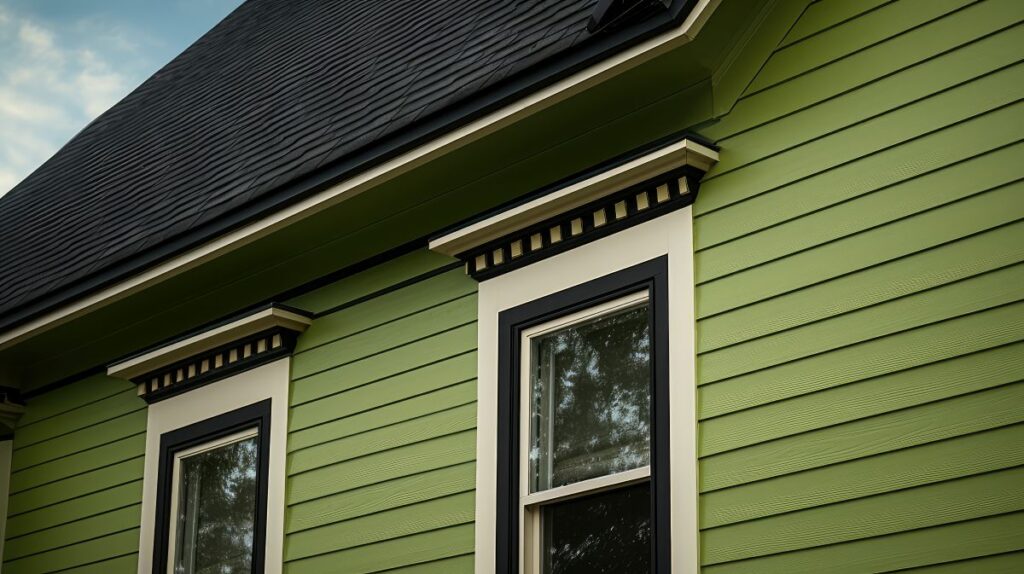
Understanding the maintenance differences between siding materials helps homeowners make more informed decisions.
Below is a comparison of common siding options and their general upkeep requirements.
| Siding Material | Maintenance Level | Average Lifespan | Repainting Required |
| Vinyl | Low | 20 to 30 years | No |
| Fiber Cement | Low to Moderate | 30 to 50 years | Occasionally |
| Engineered Wood | Moderate | 20 to 30 years | Yes |
| Metal | Low | 40 to 70 years | Rarely |
| Composite | Low to Moderate | 25 to 40 years | Occasionally |
While low maintenance siding reduces upkeep demands, all siding materials still benefit from periodic inspections and cleaning.
Tips for Keeping Low Maintenance Siding in Great Condition
Even the most durable siding materials require some level of care to maximize lifespan and appearance. Fortunately, maintenance routines for modern siding are usually simple and manageable.
Clean Siding Regularly
Dirt, algae, pollen, and mildew can accumulate over time.
Most siding materials benefit from:
- Annual cleaning
- Gentle washing methods
- Mild soap solutions
- Soft brushes or low-pressure rinsing
Avoid excessive pressure washing, which can damage certain siding materials or force water behind panels.
Inspect After Severe Weather
Storms can cause hidden siding damage even when problems are not immediately obvious.
After major weather events, homeowners should inspect for:
- Loose panels
- Cracks
- Impact damage
- Water stains
- Warping
Early detection helps prevent more expensive repairs later.
Maintain Gutters and Drainage
Poor drainage can accelerate siding deterioration by allowing water to overflow onto exterior surfaces repeatedly.
Routine gutter maintenance helps protect siding from:
- Water staining
- Mold growth
- Moisture intrusion
- Foundation drainage problems
Address Minor Repairs Quickly
Small issues can worsen quickly if ignored.
Promptly repairing:
- Cracks
- Loose trim
- Missing caulking
- Damaged panels
helps preserve the integrity of the siding system.
Important Factors to Consider Before Choosing Low Maintenance Siding
While maintenance requirements matter, homeowners should also evaluate several other important factors before selecting siding materials.
Budget and Installation Costs
Lower maintenance siding materials often vary significantly in upfront pricing.
Homeowners should compare:
- Material costs
- Installation expenses
- Expected lifespan
- Future repair costs
- Warranty coverage
Sometimes a higher upfront investment results in better long-term value.
Architectural Style
The best siding should complement the design of your home.
For example:
- Modern homes may pair well with metal siding
- Farmhouse styles often use fiber cement or board and batten
- Traditional homes commonly feature vinyl or engineered wood
Choosing a cohesive design improves curb appeal and long-term satisfaction.
Long-Term Value
Homeowners should think beyond immediate appearance and evaluate how siding will perform over the next several decades.
Questions to consider include:
- How often will maintenance be required?
- Will the material resist local weather conditions?
- How long is the expected lifespan?
- Does the siding improve energy efficiency?
- Will it support resale value?
Balancing appearance, durability, and upkeep helps homeowners make smarter investments.
Upgrade Your Home With Low Maintenance Siding
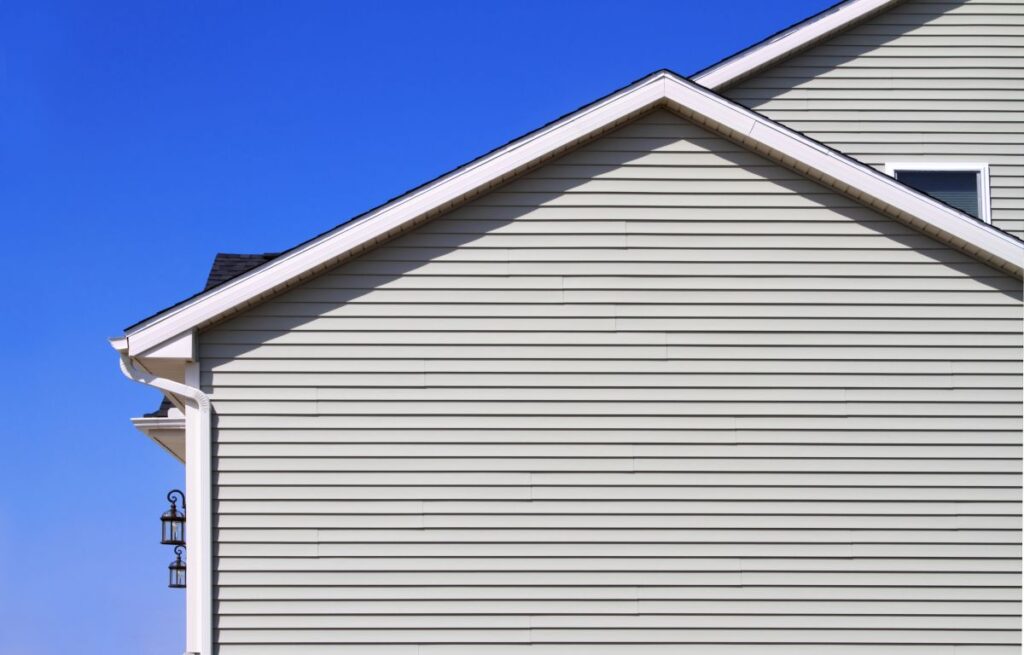
Choosing low maintenance siding allows homeowners to protect their investment while reducing the time and expense associated with ongoing exterior upkeep. Durable siding materials like vinyl, fiber cement, metal, composite, and engineered wood can provide lasting curb appeal and reliable weather protection with minimal maintenance demands.
The right siding material depends on your budget, architectural style, climate conditions, and long-term goals. By selecting quality materials and professional installation, homeowners can enjoy attractive, dependable siding for decades with far fewer maintenance concerns.
Homeowners throughout Nashville, NC and surrounding areas trust Kenneth Daniel Roofing for expert exterior solutions designed to improve both beauty and durability. If you are ready to upgrade your home with low maintenance siding, contact us today to schedule a consultation with Kenneth Daniel Roofing and explore the best siding options for your property.
EXPLORE OUR RECENT ARTICLES
We’re Redefining Roofing. You In?