(434) 252-3783
Siding Maintenance Guide: 7 Tips to Protect Your Home
 5.1.26
 9 minutes read
Your home’s siding does more than improve curb appeal. It serves as a critical barrier against moisture, wind, pests, and changing weather conditions throughout the year. Proper siding maintenance helps extend the lifespan of your exterior while preventing expensive structural damage and unnecessary repairs. Whether your home has vinyl, fiber cement, wood, or engineered siding, regular upkeep is essential for long-term performance. Homeowners looking for reliable exterior protection solutions often discover that consistent maintenance plays a major role in preserving both beauty and durability.
In this guide, you will learn:
- Why siding maintenance is so important for homeowners
- Common signs your siding may need attention
- Practical maintenance tips for different siding materials
- How weather affects siding performance over time
- When to schedule professional inspections and repairs
- Ways proper maintenance can protect home value
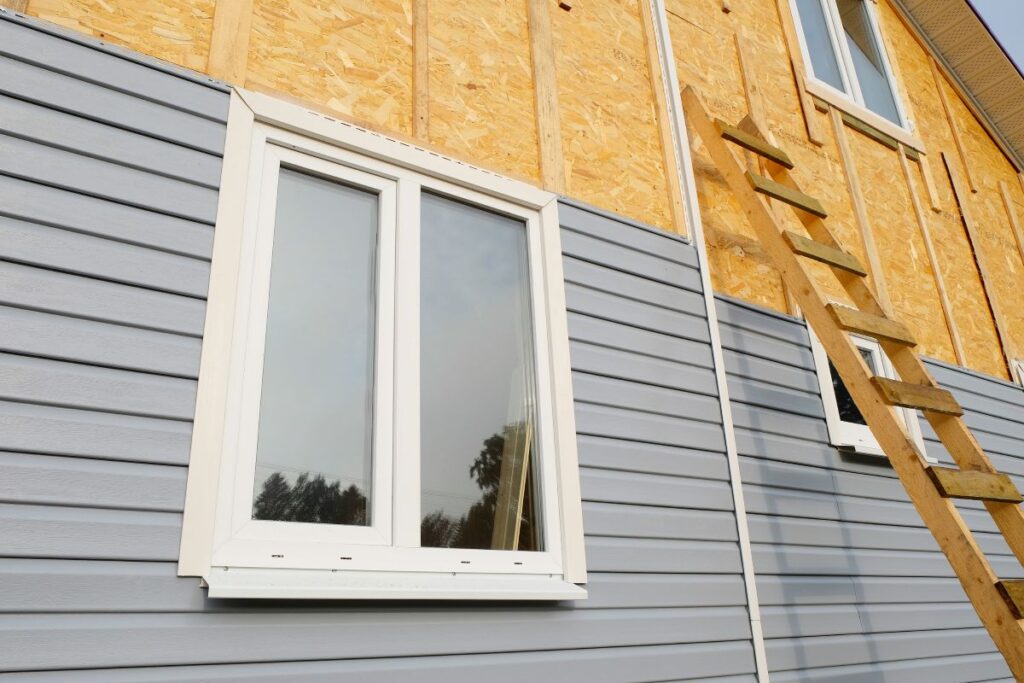
Why Regular Siding Maintenance Matters
Many homeowners focus heavily on roofing, windows, and landscaping while overlooking the importance of siding maintenance. However, your siding constantly faces exposure to rain, humidity, UV rays, wind, dirt, and seasonal temperature changes. Without regular care, even high-quality siding can begin to deteriorate prematurely.
Homeowners in Tarboro, NC and surrounding areas often deal with humid conditions, storms, and fluctuating temperatures that can accelerate siding wear if maintenance is neglected.
Keeping siding in good condition offers several major benefits.
- Moisture Protection: Well-maintained siding helps prevent water intrusion that could damage framing, insulation, and drywall.
- Improved Curb Appeal: Clean, damage-free siding keeps your home looking attractive and well cared for.
- Longer Lifespan: Regular maintenance helps maximize the durability of siding materials and reduces premature replacement costs.
- Better Energy Efficiency: Properly sealed siding systems can help regulate indoor temperatures and reduce energy loss.
- Higher Property Value: Homes with maintained exteriors often attract stronger buyer interest and better resale opportunities.
Consistent upkeep allows homeowners to catch minor issues before they develop into expensive structural problems.
7 Important Siding Maintenance Tips Every Homeowner Should Follow
Siding maintenance does not have to be complicated, but it should be consistent. Following a routine maintenance plan can help homeowners protect their investment and extend the life of their exterior materials.
1. Inspect Your Siding Regularly
One of the simplest and most effective maintenance habits is performing regular visual inspections. Homeowners should walk around the exterior of the home several times each year to look for early warning signs of damage.
Common issues to watch for include:
- Cracks or splits
- Warped panels
- Loose siding sections
- Fading or discoloration
- Mold or mildew growth
- Peeling paint
- Soft or rotting areas
After major storms or severe weather, it is especially important to inspect siding for hidden damage.
Early detection helps prevent small issues from becoming major repair projects.
2. Clean Siding at Least Once Per Year
Dirt, algae, pollen, mildew, and debris naturally build up over time. Cleaning your siding regularly helps preserve appearance while reducing the risk of moisture-related problems.
Most homeowners can clean siding using:
- Mild soap and water
- Soft-bristle brushes
- Garden hoses
- Low-pressure washing equipment
Different siding materials require different cleaning methods.
Vinyl Siding Cleaning Tips
Vinyl siding is relatively easy to maintain and typically responds well to gentle cleaning solutions.
Avoid:
- Harsh chemicals
- Excessive pressure washing
- Abrasive scrub brushes
Too much pressure can force water behind the siding panels and cause moisture problems.
Fiber Cement Cleaning Tips
Fiber cement siding should be cleaned carefully to preserve protective finishes.
Recommended methods include:
- Soft washing
- Gentle rinsing
- Mild cleaning agents
Periodic cleaning helps maintain color and prevent buildup.
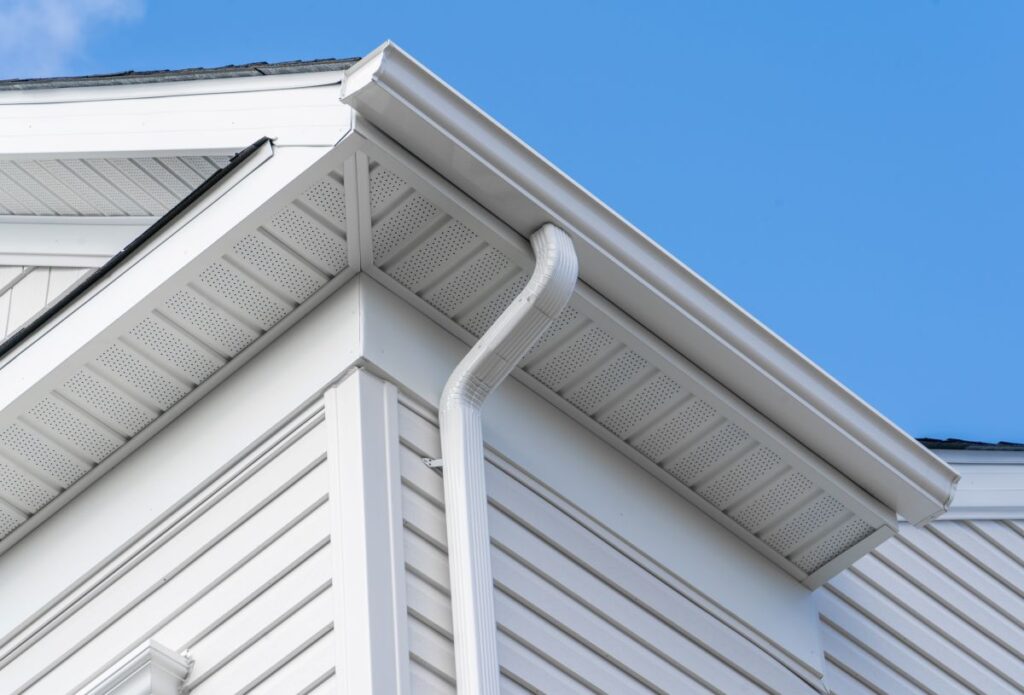
3. Keep Gutters and Downspouts Working Properly
Many siding problems actually begin with drainage issues rather than siding defects themselves. Overflowing gutters and clogged downspouts can direct water onto siding surfaces repeatedly, leading to staining, mold growth, and moisture damage.
Homeowners should routinely:
- Clean gutters
- Remove leaves and debris
- Check downspout drainage
- Inspect for leaks
- Ensure water drains away from the home
Proper drainage plays a major role in protecting siding and overall structural integrity.
In Tarboro, NC and surrounding areas, heavy seasonal rainfall makes effective gutter maintenance especially important.
4. Trim Trees and Landscaping Around the Home
Overgrown landscaping can damage siding in several ways. Tree branches may scrape exterior surfaces during storms, while shrubs and vegetation can trap moisture against the home.
Homeowners should maintain adequate spacing between siding and landscaping.
Benefits of trimming vegetation include:
- Improved airflow
- Reduced moisture buildup
- Lower risk of mold and mildew
- Less pest activity
- Reduced physical damage from branches
Maintaining a clear perimeter around the home also helps simplify inspections and cleaning.
5. Repair Small Problems Quickly
Minor siding issues can worsen rapidly if ignored. Small cracks or gaps may allow moisture to enter behind the siding, leading to hidden structural damage over time.
Common repairs homeowners should address promptly include:
- Loose panels
- Missing caulking
- Cracked boards
- Damaged trim
- Warped sections
- Open seams
Fast repairs help protect insulation, framing, and moisture barriers before larger problems develop.
Professional evaluations are often helpful when homeowners are unsure whether damage is cosmetic or structural.
6. Repaint or Reseal Wood-Based Siding
Wood and engineered wood siding materials require periodic sealing, staining, or repainting to maintain protection against moisture and UV exposure.
Over time, protective coatings wear down and leave siding vulnerable to:
- Water intrusion
- Rot
- Insect damage
- Fading
- Cracking
Typical maintenance timelines may include:
| Siding Type | Recommended Repainting or Resealing Timeline |
| Natural Wood | Every 3 to 7 years |
| Engineered Wood | Every 5 to 10 years |
| Fiber Cement | Every 10 to 15 years |
| Vinyl | Usually not required |
Maintaining protective coatings significantly improves long-term durability.
7. Schedule Professional Siding Inspections
Even diligent homeowners may miss subtle signs of siding deterioration. Professional inspections help identify hidden issues before they become severe.
A professional siding inspection may evaluate:
- Moisture intrusion
- Flashing performance
- Structural movement
- Ventilation concerns
- Fastener integrity
- Hidden rot or decay
Experienced contractors can also recommend preventative maintenance strategies tailored to your siding material and local climate conditions.
Routine professional evaluations often save homeowners money by reducing the likelihood of major repairs.
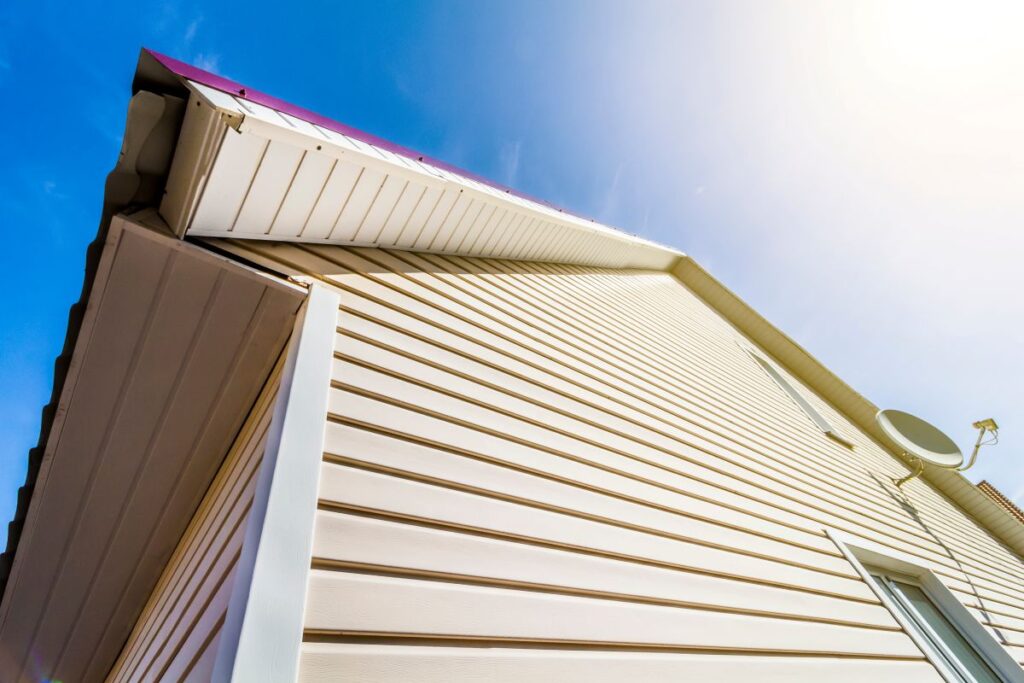
Common Signs Your Siding Needs Immediate Attention
Siding problems are not always obvious at first glance. Some forms of damage develop slowly and may go unnoticed until water intrusion or structural issues occur.
Understanding the warning signs can help homeowners act quickly before problems escalate.
Rising Energy Bills
If heating and cooling costs suddenly increase, damaged siding may be contributing to air leaks or insulation problems.
Poorly sealed siding systems can allow conditioned air to escape while permitting outside air to enter the home.
Mold, Mildew, or Fungus Growth
Visible mold or mildew on siding may indicate excessive moisture exposure or drainage problems.
Areas around windows, seams, and lower wall sections are especially vulnerable.
Homeowners should investigate mold growth promptly because hidden moisture can lead to larger structural concerns.
Warped or Loose Panels
Warping often signals moisture intrusion, heat exposure, or aging materials. Loose siding panels may allow water and pests to enter behind the exterior surface.
Damaged panels should be repaired or replaced quickly to maintain proper protection.
Interior Moisture Problems
Sometimes siding issues become noticeable inside the home first.
Potential warning signs include:
- Water stains on walls
- Peeling interior paint
- Increased humidity indoors
- Musty odors
- Soft drywall areas
These symptoms may indicate exterior moisture infiltration requiring immediate attention.
How Different Siding Materials Affect Maintenance Requirements
Not all siding materials require the same level of care. Understanding the maintenance expectations of different products helps homeowners plan long-term upkeep more effectively.
Vinyl Siding
Vinyl siding remains one of the most popular low-maintenance options available.
Typical maintenance includes:
- Annual cleaning
- Occasional panel replacement
- Visual inspections after storms
Vinyl does not require painting, but fading and cracking may occur over time depending on quality and sun exposure.
Fiber Cement Siding
Fiber cement siding offers exceptional durability and relatively low maintenance needs.
Typical upkeep includes:
- Periodic cleaning
- Caulking inspections
- Occasional repainting
Fiber cement performs especially well in humid environments when installed properly.
Natural Wood Siding
Wood siding offers beautiful curb appeal but requires significantly more maintenance than manufactured materials.
Maintenance often includes:
- Repainting or staining
- Sealing
- Moisture monitoring
- Pest inspections
Homeowners who choose wood siding should expect ongoing upkeep responsibilities.
Engineered Wood Siding
Engineered wood offers a balance between appearance and durability.
Maintenance requirements may include:
- Repainting or refinishing
- Moisture inspections
- Cleaning and sealing
Many homeowners appreciate its wood-like appearance with somewhat lower maintenance demands than natural wood.
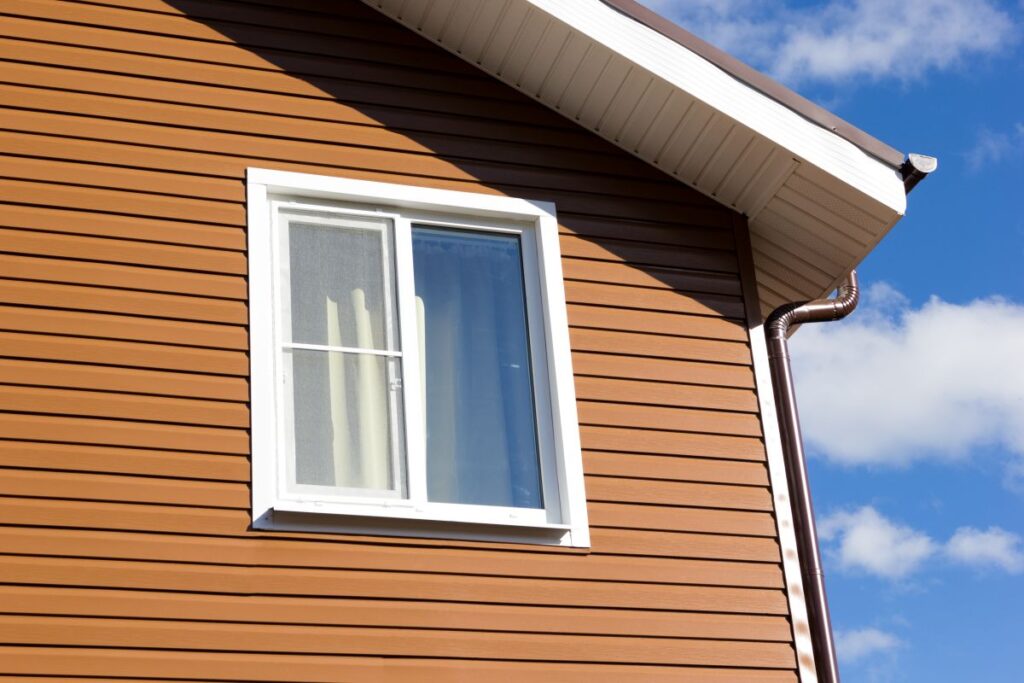
Seasonal Siding Maintenance Tips for Homeowners
Weather changes throughout the year can impact siding performance. Seasonal maintenance routines help homeowners stay ahead of potential problems.
Spring Maintenance
Spring is an ideal time to inspect siding after winter weather.
Recommended tasks include:
- Cleaning debris and pollen
- Inspecting for storm damage
- Checking caulking and seals
- Evaluating gutters and drainage
Summer Maintenance
Summer heat and humidity can affect siding performance.
Focus on:
- Mold and mildew prevention
- UV-related fading
- Ventilation improvements
- Landscaping maintenance
Homeowners in Tarboro, NC and surrounding areas often experience humid summer conditions that make moisture management especially important.
Fall Maintenance
Preparing siding for winter helps reduce seasonal damage risks.
Fall maintenance may include:
- Gutter cleaning
- Tree trimming
- Repairing cracks or gaps
- Inspecting flashing and seals
Winter Maintenance
Winter inspections should focus on identifying storm-related damage and preventing moisture intrusion.
Snow, ice, and fluctuating temperatures can place stress on siding materials over time.
Protect Your Home With Proper Siding Maintenance
Siding maintenance plays a critical role in protecting your home from moisture, weather damage, energy loss, and long-term structural problems. Regular inspections, cleaning, repairs, and professional evaluations help extend the lifespan of your siding while preserving curb appeal and property value.
Whether your home features vinyl, fiber cement, engineered wood, or natural wood siding, proactive care can prevent expensive repairs and improve long-term performance. Investing in consistent maintenance today helps homeowners avoid major problems in the future.
Homeowners throughout Tarboro, NC and surrounding areas trust Kenneth Daniel Roofing for dependable exterior solutions and professional guidance. If you want to keep your siding in top condition or need help addressing exterior concerns, contact us today to schedule a consultation with Kenneth Daniel Roofing.
EXPLORE OUR RECENT ARTICLES
We’re Redefining Roofing. You In?