(434) 252-3783
Vinyl Siding vs Hardie Board: Cost, Durability & Value
 5.13.26
 8 minutes read
Choosing the right siding material is one of the most important decisions homeowners make when upgrading their exterior. Comparing vinyl siding vs Hardie board helps homeowners understand how each option performs in terms of appearance, maintenance, durability, and long-term value. While both materials offer strong curb appeal and weather protection, they differ significantly in cost, lifespan, and upkeep requirements. Homeowners researching lasting exterior improvement solutions often compare these two popular siding options before making a final investment decision.
In this guide, you will learn:
- The major differences between vinyl siding and Hardie board
- How installation and maintenance costs compare
- Which siding material offers better durability
- How climate affects siding performance
- The pros and cons of each option
- Which siding provides the best long-term value for homeowners
Why Comparing Vinyl Siding and Hardie Board Matters
Siding plays a major role in protecting your home from weather exposure while also affecting curb appeal, energy efficiency, and resale value. Since siding is a long-term investment, homeowners should carefully evaluate how different materials perform over time.
Homeowners in Littleton, NC and surrounding areas often compare vinyl siding and Hardie board because both materials perform well in humid climates while offering very different benefits and price points.
Understanding the differences between these siding materials can help homeowners make a more informed decision based on their budget, maintenance preferences, and long-term goals.
Several important factors make this comparison especially valuable.
- Long-Term Durability: Different siding materials handle moisture, heat, wind, and impact damage differently.
- Maintenance Expectations: Some siding requires significantly less upkeep over time.
- Exterior Appearance: Texture, color options, and curb appeal vary between materials.
- Installation Costs: Initial pricing can differ substantially depending on the siding selected.
- Property Value: Certain siding materials may provide stronger resale appeal and long-term return on investment.
Choosing the right siding material involves balancing cost, appearance, maintenance, and performance rather than focusing on a single factor alone.
6 Key Differences Between Vinyl Siding and Hardie Board
Vinyl siding and Hardie board both offer excellent protection and curb appeal, but they differ in several important ways. Understanding these differences can help homeowners determine which material fits their needs best.
1. Material Composition and Appearance
One of the biggest differences between vinyl siding and Hardie board is the material itself.
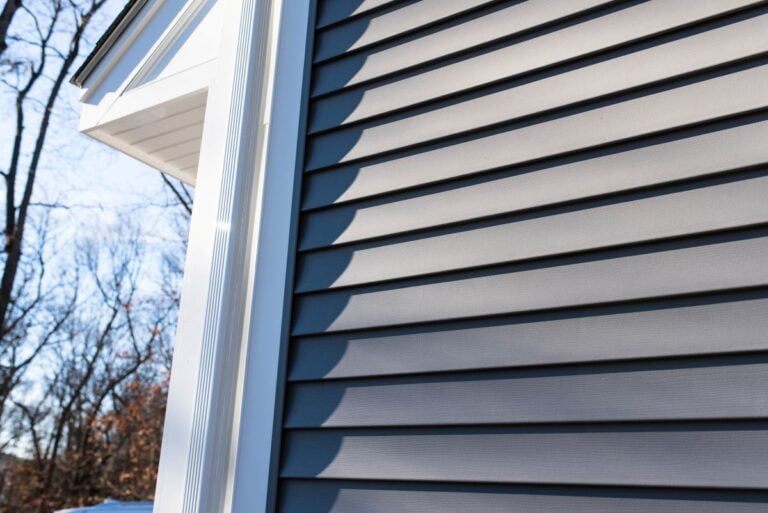
Vinyl siding is manufactured from durable PVC plastic and is designed to be lightweight, affordable, and easy to install. It is available in many colors, profiles, and textures.
Hardie board, also known as fiber cement siding, is made from:
- Cement
- Sand
- Cellulose fibers
This combination creates a denser, heavier, and more durable siding material.
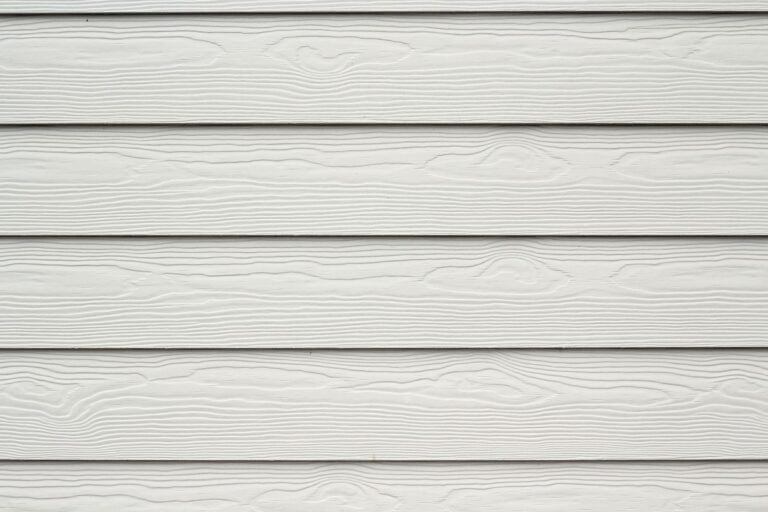
Visually, Hardie board is often considered more premium because it closely mimics the appearance of painted wood siding.
Vinyl siding advantages include:
- Wide variety of colors
- Lower material costs
- Lightweight installation
- Minimal maintenance
Hardie board advantages include:
- Realistic wood-grain appearance
- Greater texture depth
- Premium curb appeal
- More architectural flexibility
Homeowners prioritizing upscale appearance often prefer Hardie board, while those seeking affordability and convenience may lean toward vinyl siding.
2. Installation Costs and Overall Pricing
Cost is one of the most significant differences between these two siding materials.
Vinyl siding is generally more affordable because:
- Materials cost less
- Installation is faster
- Labor requirements are lower
- Specialized tools are usually unnecessary
Hardie board installation costs are typically higher because the material is heavier and requires more labor-intensive installation methods.
Factors affecting Hardie board pricing include:
- Specialized cutting tools
- Increased labor time
- Additional structural support
- More detailed installation techniques
General pricing comparisons often look like this:
| Siding Material | Average Installed Cost Per Square Foot |
| Vinyl Siding | $4 to $9 |
| Hardie Board | $8 to $14 |
Although Hardie board costs more upfront, many homeowners feel the added durability and curb appeal justify the investment.
3. Durability and Weather Resistance
Durability is one of the strongest selling points for Hardie board siding.
Fiber cement siding is highly resistant to:
- Moisture
- Fire
- Rot
- Insects
- UV exposure
Hardie board performs exceptionally well in areas with challenging weather conditions and fluctuating temperatures.
Vinyl siding also offers solid durability but may be more vulnerable to:
- Cracking in extreme cold
- Warping in intense heat
- Impact damage
- Fading over time
Homeowners in Littleton, NC and surrounding areas often experience humidity, storms, and seasonal weather changes, making moisture resistance especially important when selecting siding materials.
Proper installation is critical for both products to maximize long-term weather performance.
4. Maintenance Requirements
Maintenance expectations vary significantly between vinyl siding and Hardie board.
Vinyl siding is generally considered one of the lowest-maintenance siding materials available.
Typical vinyl siding maintenance includes:
- Occasional washing
- Basic inspections
- Minor panel replacement if damaged
Vinyl does not require painting because the color is built into the material itself.
Hardie board siding requires somewhat more maintenance over time, including:
- Periodic repainting
- Caulking inspections
- Surface cleaning
- Seal maintenance
However, modern factory-finished Hardie products can maintain color for many years before repainting becomes necessary.
For homeowners seeking the lowest possible maintenance demands, vinyl siding often has the advantage.
5. Lifespan and Long-Term Value
Both siding materials can last for decades when installed properly, but Hardie board generally offers a longer expected lifespan.
Typical lifespan estimates include:
| Siding Type | Average Lifespan |
| Vinyl Siding | 20 to 30 years |
| Hardie Board | 30 to 50 years |
Hardie board’s extended lifespan often contributes to stronger long-term value despite higher upfront costs.
Fiber cement siding also tends to provide:
- Better resistance to aging
- Improved structural stability
- Higher perceived property value
- Longer-lasting curb appeal
Vinyl siding still provides excellent value for homeowners prioritizing affordability and low maintenance.
The best long-term investment depends on the homeowner’s priorities and budget.
6. Energy Efficiency and Insulation
Siding alone does not determine a home’s energy efficiency, but siding systems can contribute to overall insulation performance.
Both vinyl siding and Hardie board can support energy-efficient exterior systems when combined with:
- Proper house wrap
- Insulated backing
- Moisture barriers
- Ventilation systems
- Air sealing techniques
Insulated vinyl siding options are available that help improve thermal performance.
Hardie board itself is denser and more substantial, but it typically relies more heavily on insulation systems installed beneath the siding.
Proper installation and moisture management remain more important than the siding material alone when improving energy efficiency.
Which Siding Option Works Best for Different Homeowners?
Every homeowner has different priorities when selecting siding materials. Some focus primarily on budget, while others prioritize appearance, durability, or long-term property value.
Understanding which siding fits specific goals can simplify the decision-making process.
Vinyl Siding May Be Best For:
- Budget-conscious homeowners
- Homeowners seeking minimal maintenance
- Rental properties
- Faster installation timelines
- Homes requiring affordable exterior upgrades
Vinyl siding remains one of the most cost-effective exterior options available.
Hardie Board May Be Best For:
- Homeowners wanting premium curb appeal
- Long-term property investments
- Homes exposed to harsh weather
- Modern farmhouse or upscale exterior styles
- Homeowners prioritizing durability
Hardie board often appeals to homeowners looking for stronger long-term performance and a more refined appearance.
Mixed Exterior Applications
Some homeowners combine siding materials for both aesthetic and financial reasons.
Common combinations include:
- Hardie board on front elevations
- Vinyl siding on secondary walls
- Mixed textures and accents
- Contrasting gables and trim details
This approach can create upscale curb appeal while controlling overall project costs.
Common Mistakes Homeowners Make When Choosing Siding
Choosing siding involves more than selecting the material with the lowest price or most attractive appearance. Several common mistakes can lead to long-term frustration or unnecessary expenses.
Focusing Only on Upfront Cost
Lower upfront costs may seem appealing initially, but long-term maintenance and replacement expenses should also be considered.
Questions homeowners should ask include:
- How long will the siding last?
- Will repainting be required?
- How well does it handle local weather?
- What maintenance costs should be expected?
Balancing short-term affordability with long-term value leads to smarter investment decisions.
Ignoring Installation Quality
Even premium siding can fail if installed incorrectly.
Improper installation may lead to:
- Moisture intrusion
- Warping
- Cracking
- Mold growth
- Structural damage
Professional installation is essential for maximizing siding performance and maintaining warranty coverage.
Choosing Based Solely on Trends
Exterior design trends change over time. Homeowners should focus on timeless curb appeal rather than temporary design fads.
Neutral colors and classic siding styles often maintain stronger long-term resale value.
Climate Considerations for Vinyl and Hardie Board
Climate plays a major role in how siding performs over time.
Humid Climates
In humid environments, moisture resistance becomes especially important.
Hardie board performs extremely well in moisture-prone regions when properly installed.
Vinyl siding also resists moisture effectively but requires proper ventilation and installation techniques to prevent trapped condensation.
Heat and UV Exposure
Intense sunlight can eventually affect siding appearance.
Potential concerns include:
- Vinyl fading or warping
- Surface aging
- Expansion and contraction
High-quality products generally perform better under prolonged UV exposure.
Storm Resistance
Fiber cement siding typically offers stronger impact and wind resistance than vinyl siding.
For homeowners in Littleton, NC and surrounding areas, where seasonal storms may occur, durability and moisture protection are important factors to evaluate carefully.
Choosing the Right Siding for Long-Term Performance
Comparing vinyl siding vs Hardie board ultimately comes down to balancing cost, maintenance, appearance, and long-term durability. Vinyl siding offers affordability, easy maintenance, and versatile design options, while Hardie board delivers premium curb appeal, exceptional durability, and a longer lifespan.
Both siding materials can provide excellent protection and visual appeal when installed properly by experienced professionals. The best choice depends on your budget, maintenance preferences, climate conditions, and long-term goals for your home.
Homeowners throughout Littleton, NC and surrounding areas trust Kenneth Daniel Roofing for expert exterior solutions designed to improve both beauty and durability. If you are considering a siding upgrade and want help comparing the best options for your home, contact us today to schedule a consultation with Kenneth Daniel Roofing.
EXPLORE OUR RECENT ARTICLES
We’re Redefining Roofing. You In?