(434) 252-3783
Vertical vs Horizontal Siding: Which Style Is Better?
 4.29.26
 8 minutes read

Choosing the right siding layout can completely change the appearance, durability, and overall value of your home. When comparing vertical vs horizontal siding, homeowners often focus on aesthetics first, but factors like maintenance, weather performance, and architectural style are just as important. Whether you want a modern farmhouse appearance or a more traditional exterior design, understanding the differences between these siding styles can help you make the best decision for your property. Homeowners exploring lasting exterior design solutions often compare these two popular siding orientations before starting a renovation project.
In this guide, you will learn:
- The key differences between vertical and horizontal siding
- Which siding style works best for different home designs
- Pros and cons of each siding orientation
- Cost and maintenance considerations homeowners should know
- How climate can affect siding performance
- Tips for choosing the best siding style for your home
Why Siding Orientation Plays a Major Role in Exterior Design
Siding does more than protect your home from weather exposure. The orientation of your siding changes the entire visual effect of your home’s exterior and can even influence maintenance requirements, drainage performance, and resale appeal.
Homeowners in Oxford, NC and surrounding areas often compare siding styles carefully because local weather conditions demand durable materials that also improve curb appeal. Since siding covers most of a home’s exterior, selecting the right orientation is a major design and investment decision.
Several important benefits come from choosing the right siding style.
- Enhanced Curb Appeal: The right siding orientation can dramatically improve your home’s appearance and architectural balance.
- Improved Weather Protection: Properly installed siding helps protect against rain, humidity, and seasonal temperature changes.
- Better Design Flexibility: Different siding styles pair well with specific home types and exterior accents.
- Long-Term Durability: Certain orientations may perform better depending on climate and installation quality.
- Stronger Property Value: Updated siding often increases buyer interest and overall resale appeal.
Because siding is such a visible feature, homeowners should consider both appearance and performance before making a final decision.
6 Key Differences Between Vertical and Horizontal Siding
Both vertical and horizontal siding offer excellent protection and visual appeal, but they create very different results. Understanding the major differences can help homeowners choose the best fit for their property.
1. Overall Appearance and Style
The most obvious difference between vertical and horizontal siding is the visual effect each creates.
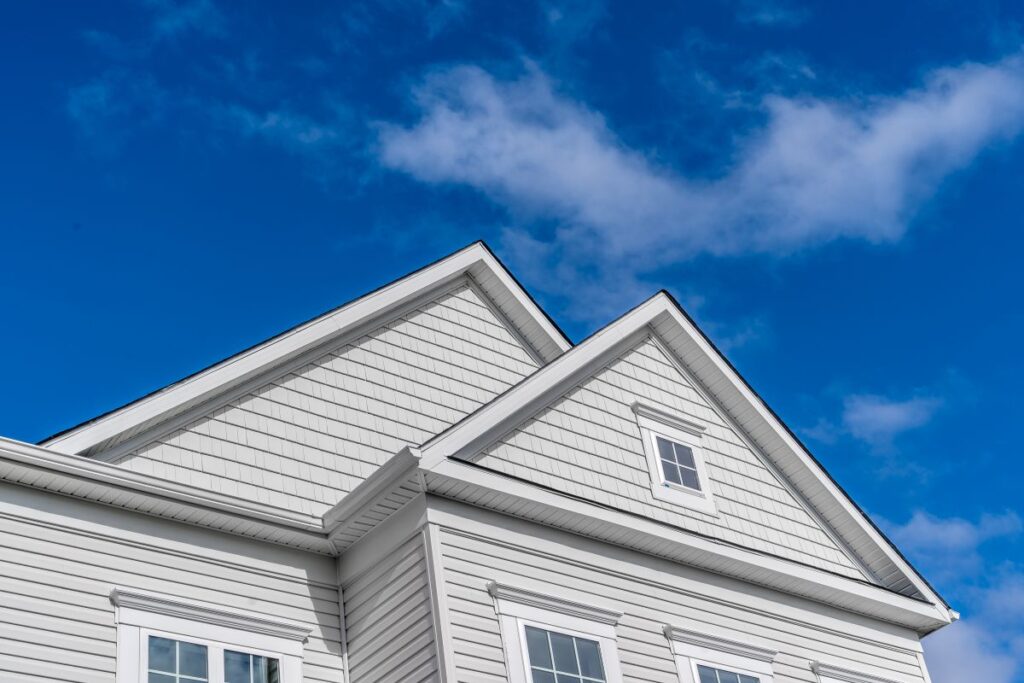
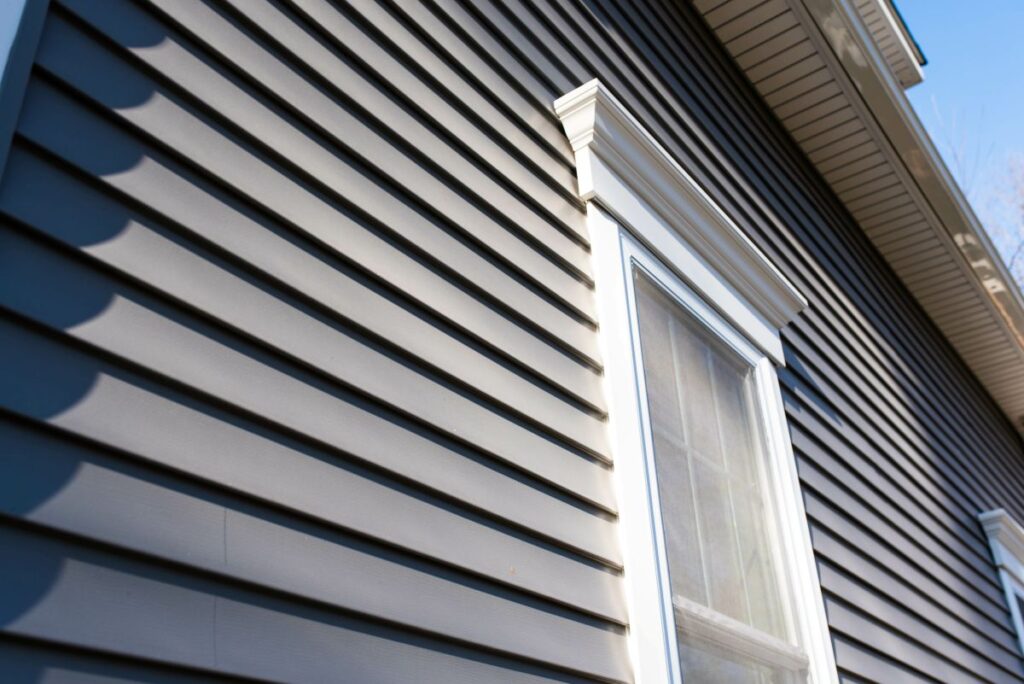
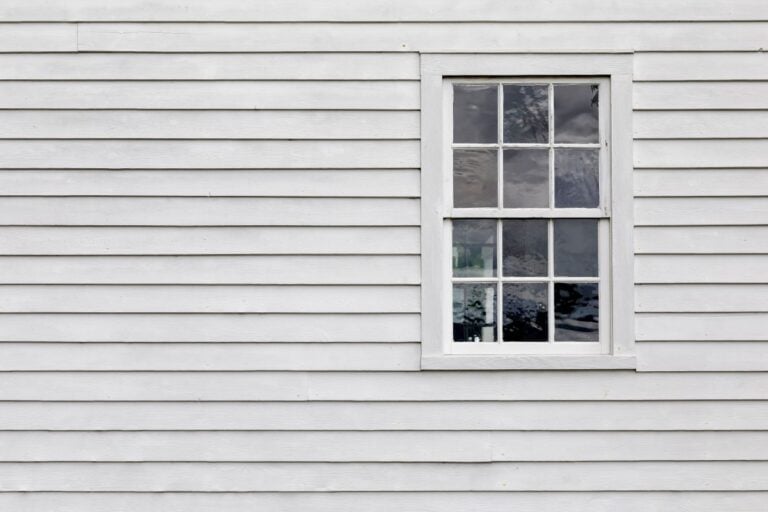
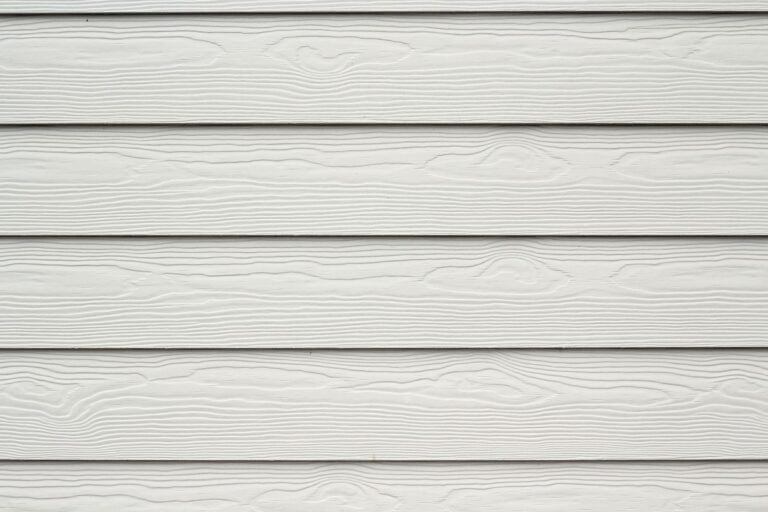
Horizontal siding delivers a traditional appearance that has remained popular for decades. It creates a familiar and balanced look that works well on many residential homes.
Horizontal siding is commonly used on:
- Colonial homes
- Ranch-style homes
- Craftsman homes
- Cape Cod homes
- Traditional suburban houses
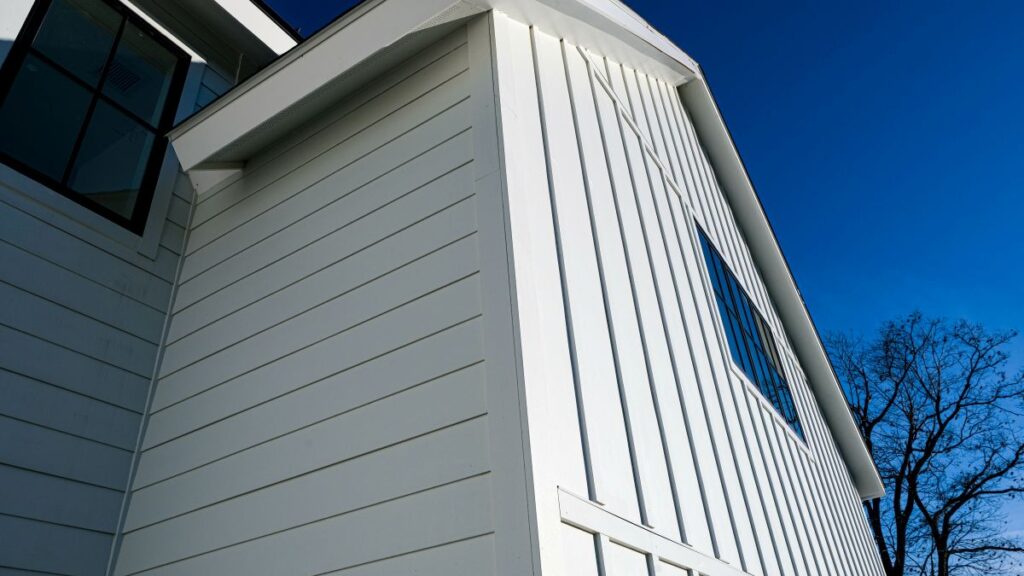
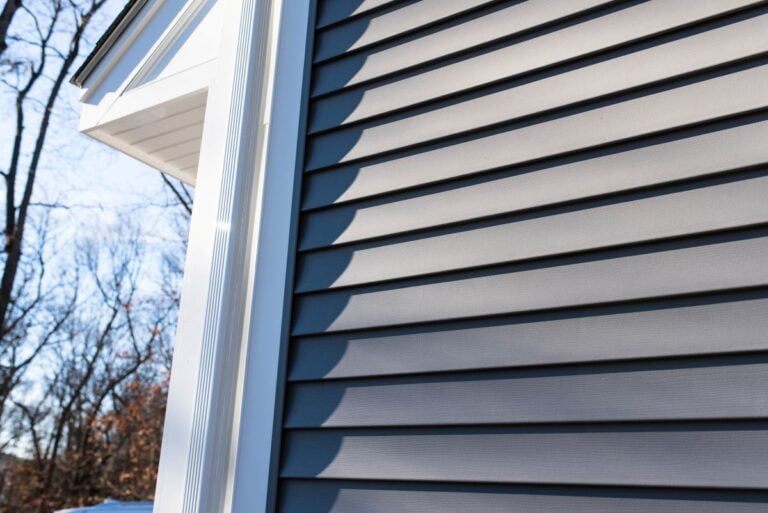
Vertical siding creates a more modern and distinctive appearance. The vertical lines naturally draw the eye upward, making homes appear taller and more dramatic.
Vertical siding is especially popular for:
- Modern farmhouse homes
- Contemporary homes
- Rustic cabins
- Barn-inspired designs
- Minimalist architecture
Many homeowners in Oxford, NC and surrounding areas now combine both orientations to create a custom exterior design with more visual depth.
2. Water Drainage and Moisture Performance
Water management is extremely important when selecting siding. While both styles can protect homes effectively, siding orientation does affect drainage patterns.
Vertical siding allows rainwater to flow downward more directly, which may reduce moisture buildup on the surface. This can help improve long-term performance in areas with frequent rainfall or humidity.
Horizontal siding also performs well when installed correctly, but improper overlaps or flashing issues can sometimes allow water intrusion over time.
Key moisture protection factors include:
- Proper flashing installation
- Quality house wrap systems
- Ventilation behind siding
- Correct sealing around windows and doors
- Professional installation methods
Regardless of orientation, proper installation remains the most important factor in preventing water damage.
3. Maintenance Requirements
Maintenance needs vary depending on siding orientation, material selection, and local climate conditions.
Horizontal siding can collect dirt and debris along the lower edges of each panel, requiring periodic cleaning to maintain appearance.
Vertical siding tends to shed dirt and water more naturally because of its straight downward lines. However, certain styles may require more attention around seams or trim areas.
Maintenance expectations also depend on material type.
Low-maintenance options include:
- Vinyl siding
- Fiber cement siding
- Metal siding
Higher-maintenance options include:
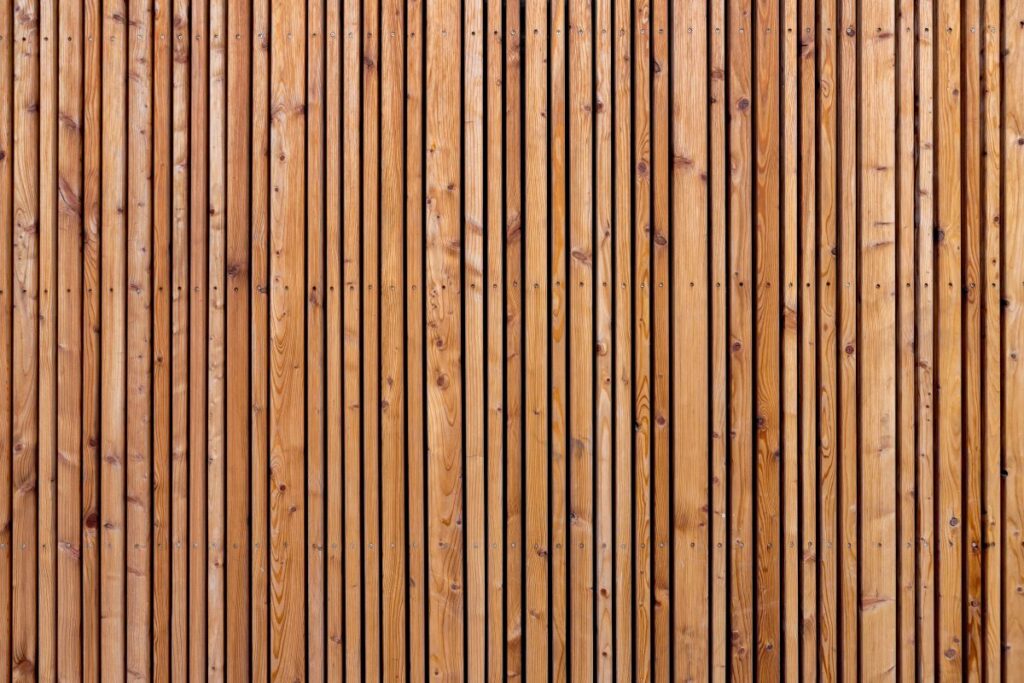
- Natural wood siding
- Some engineered wood products
Homeowners should also consider repainting schedules, cleaning routines, and repair accessibility before selecting a siding orientation.
4. Installation Complexity and Costs
Installation costs can vary between vertical and horizontal siding depending on the material and home design.
Horizontal siding is generally faster and easier to install because it has been the industry standard for many years. Contractors are highly familiar with horizontal layouts, which may help reduce labor costs.
Vertical siding installation can require:
- Additional framing preparation
- Specialized trim details
- More precise alignment
- Extra moisture management planning
Because of this, vertical siding projects may carry slightly higher installation costs in some cases.
Here is a general comparison:
| Feature | Vertical Siding | Horizontal Siding |
| Installation Complexity | Moderate to High | Moderate |
| Labor Costs | Slightly Higher | Standard |
| Design Flexibility | High | Moderate |
| Traditional Appearance | Less Common | Very Common |
| Modern Appeal | Strong | Moderate |
Although vertical siding may cost more initially, many homeowners feel the unique appearance is worth the investment.
5. Energy Efficiency and Insulation
Siding orientation itself does not determine energy efficiency, but the overall siding system can affect insulation performance and indoor comfort.
Both vertical and horizontal siding can support energy-efficient systems when paired with:
- Insulated backing
- Quality house wrap
- Proper ventilation
- Moisture barriers
- Air sealing techniques
Some homeowners choose insulated vinyl siding to improve thermal performance and reduce energy loss.
Fiber cement and engineered wood products can also contribute to strong exterior durability and insulation when installed properly.
In Oxford, NC and surrounding areas, where temperatures fluctuate throughout the year, properly insulated siding can help homeowners improve indoor comfort and potentially lower utility costs.
6. Resale Value and Long-Term Appeal
Curb appeal plays a major role in how buyers perceive a home. Updated siding often creates one of the strongest visual improvements homeowners can make.
Horizontal siding tends to appeal to buyers looking for a timeless and traditional appearance. Since it is widely used, it feels familiar and versatile.
Vertical siding attracts homeowners wanting:
- Modern exterior design
- Farmhouse aesthetics
- Contemporary curb appeal
- Distinctive architectural features
Both styles can increase resale value when installed professionally with quality materials.
Homeowners planning to sell within the next several years may want to consider which style aligns best with surrounding neighborhood trends and buyer expectations.
Which Homes Look Best With Vertical or Horizontal Siding?
Certain architectural styles naturally pair better with specific siding orientations. Understanding these design relationships can help homeowners make more confident decisions.
Exterior design should feel cohesive rather than forced. The siding orientation should complement rooflines, windows, trim, and overall home proportions.
Homes That Pair Well With Horizontal Siding
Horizontal siding works especially well for homes with classic architectural features.
Popular pairings include:
- Traditional suburban homes
- Craftsman architecture
- Colonial-style homes
- Coastal cottages
- Ranch homes
Horizontal lines create a grounded appearance that feels balanced and familiar.
Homes That Pair Well With Vertical Siding
Vertical siding works particularly well for modern or farmhouse-inspired designs.
Popular applications include:
- Board and batten exteriors
- Modern cabins
- Contemporary homes
- Farmhouse renovations
- Accent walls and gables
The vertical orientation creates height and visual movement that can make homes feel larger and more dramatic.
Combining Both Styles
Many homeowners now combine vertical and horizontal siding to create contrast and dimension.
Popular mixed-style combinations include:
- Vertical siding on upper gables
- Horizontal siding on main walls
- Contrasting colors between sections
- Mixed textures for architectural depth
This layered appearance creates a more customized and upscale exterior design.
Important Factors to Consider Before Choosing a Siding Style
Selecting the right siding orientation requires balancing appearance, durability, maintenance, and budget. Every home has unique needs depending on climate, architecture, and homeowner priorities.
Before making a final decision, homeowners should carefully evaluate several important factors.
Climate Conditions
Weather exposure significantly affects siding performance.
Homes exposed to:
- Heavy rainfall
- High humidity
- Strong winds
- Intense sunlight
- Seasonal storms
may require more durable materials and advanced moisture protection systems.
Neighborhood Aesthetics
While personal preference matters most, homeowners often consider how their siding style fits within the surrounding neighborhood.
Choosing a complementary design may help maintain stronger resale appeal while still allowing for customization.
Maintenance Expectations
Some homeowners prefer low-maintenance siding that requires little upkeep, while others prioritize appearance over convenience.
Maintenance levels vary significantly depending on:
- Material type
- Color choice
- Finish quality
- Local climate conditions
Understanding long-term maintenance needs can help prevent future frustration.
Budget and Long-Term Value
Initial installation costs matter, but homeowners should also consider:
- Expected lifespan
- Repair frequency
- Repainting costs
- Energy efficiency
- Potential resale value
Sometimes spending more upfront results in better long-term savings and durability.
Find the Right Siding Style for Your Home
Choosing between vertical and horizontal siding ultimately comes down to your home’s architectural style, maintenance preferences, budget, and personal design goals. Horizontal siding offers timeless appeal and widespread versatility, while vertical siding creates bold visual impact and modern curb appeal.
Both options can provide excellent protection and long-term performance when installed correctly with quality materials. Whether you prefer the classic look of horizontal siding or the striking appearance of vertical panels, professional installation plays a major role in maximizing durability and appearance.
Homeowners throughout Oxford, NC and surrounding areas trust Kenneth Daniel Roofing for expert exterior solutions designed to improve both beauty and protection. If you are considering new siding for your home, contact us today to schedule a consultation with Kenneth Daniel Roofing and explore the best siding style for your property.
EXPLORE OUR RECENT ARTICLES
We’re Redefining Roofing. You In?