(434) 252-3783
What Are Roof Eaves? (Types, Benefits & More)
 3.26.25
 7 minutes read

When it comes to your home’s roofing system, there’s more to it than just shingles and a sturdy framework. One element that often goes unnoticed but plays a vital role in your home’s protection and aesthetic appeal is roof eaves. These overhanging edges of a roof are much more functional than they might seem at first glance.
This guide will explore everything you need to know about roof eaves, including:
- What roof eaves are and why they matter
- The most common types of roof eaves
- How to maintain and inspect your roof eaves
🤔 What Are Roof Eaves and Why Do They Matter?
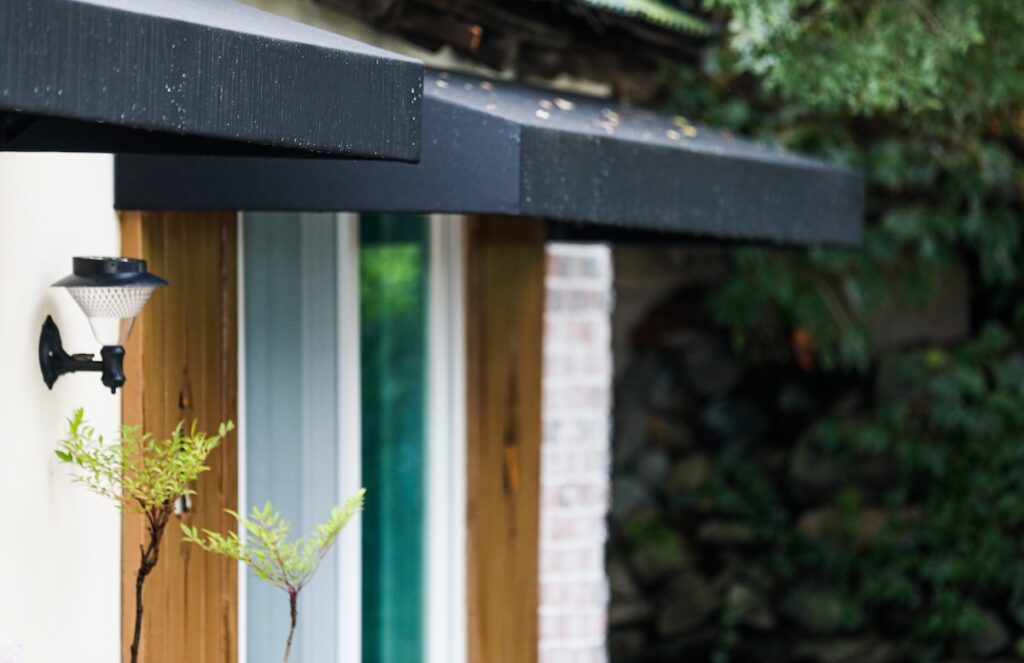
Roof eaves are the lower edges of a roof that extend beyond the walls of a house. Essentially, they are the roof’s “overhang” that juts out slightly past the exterior walls. If you take a look around at homes in your neighborhood, you’ll notice that most roofs have some degree of overhang, which serves multiple practical and aesthetic purposes.
Benefits of Roof Eaves
- Protection Against Water Damage: Eaves direct rain and snow runoff away from your home’s foundation and walls, preventing water damage, erosion, and moisture-related issues like mold.
- Improved Energy Efficiency: With soffit vents, eaves regulate attic ventilation, reducing heat in summer and moisture in winter, which can lower energy costs.
- Enhanced Home Aesthetics: Eaves complement your home’s design, adding elegance and boosting curb appeal, whether you prefer open or closed eaves.
- Better Structural Longevity: Eaves protect your walls from harsh weather, extending the lifespan of siding, windows, and foundations, helping you avoid costly repairs.
🏠 4 Types of Roof Eaves
While roof eaves might seem straightforward, they actually come in a variety of designs that cater to both form and function. Here are the most common types of roof eaves:
1. Open Eaves
Open eaves leave the rafters visible and exposed, creating a rustic, traditional aesthetic that adds charm and character to a home. This style is commonly seen in craftsman, farmhouse, or cottage-style homes, where the natural beauty of the woodwork becomes a design feature. However, keep in mind that open eaves require more upkeep than other types. Because the wood is exposed to the elements, it can be susceptible to weathering, moisture, and even pest damage if not properly sealed and maintained. Regular inspections, staining, or painting may be necessary to preserve their appearance and functionality.
2. Closed Eaves
Closed eaves are fully enclosed with a soffit, which covers the underside of the roof overhang. This design not only creates a clean and polished look, often found in contemporary or modern homes, but also adds practical advantages. The soffit helps protect the eaves from exposure to weather, reducing wear and tear. Additionally, the enclosed structure acts as a barrier against pests like birds, wasps, or squirrels, which might otherwise nest in the open spaces. Closed eaves also tend to require less maintenance than open styles, making them a popular choice for homeowners looking for a low-maintenance yet stylish option.
3. Boxed-In Eaves
Boxed-in eaves extend slightly beyond the home’s walls and are fully enclosed on all sides with a combination of soffit and fascia boards. This design strikes a balance between functionality and aesthetics, offering excellent protection against the elements while delivering a clean, finished look. The extended overhang helps shield the walls and foundation from rain, snow, and strong sunlight, contributing to the home’s durability. Boxed-in eaves can be customized to suit a variety of architectural styles, making them a versatile choice. The closed design also helps prevent potential nesting by pests and minimizes the need for frequent maintenance.
4. Abbreviated Eaves (Short-Close Eaves)
Abbreviated eaves, also known as short-close eaves, feature a minimal overhang that aligns with the sleek, streamlined design of ultra-modern and minimalist homes. These eaves prioritize aesthetics with their understated appearance, creating sharp, clean lines that complement contemporary architecture. However, their reduced extension means they provide less protection for the walls and foundation from rain or snow, which could result in higher exposure to moisture over time. Homeowners considering abbreviated eaves should ensure their home is equipped with proper water drainage systems, such as gutters, to mitigate potential issues. While maintenance is typically minimal, these eaves may require attention to ensure water doesn’t pool or cause damage near the foundation.
🛠️ Maintaining and Inspecting Roof Eaves
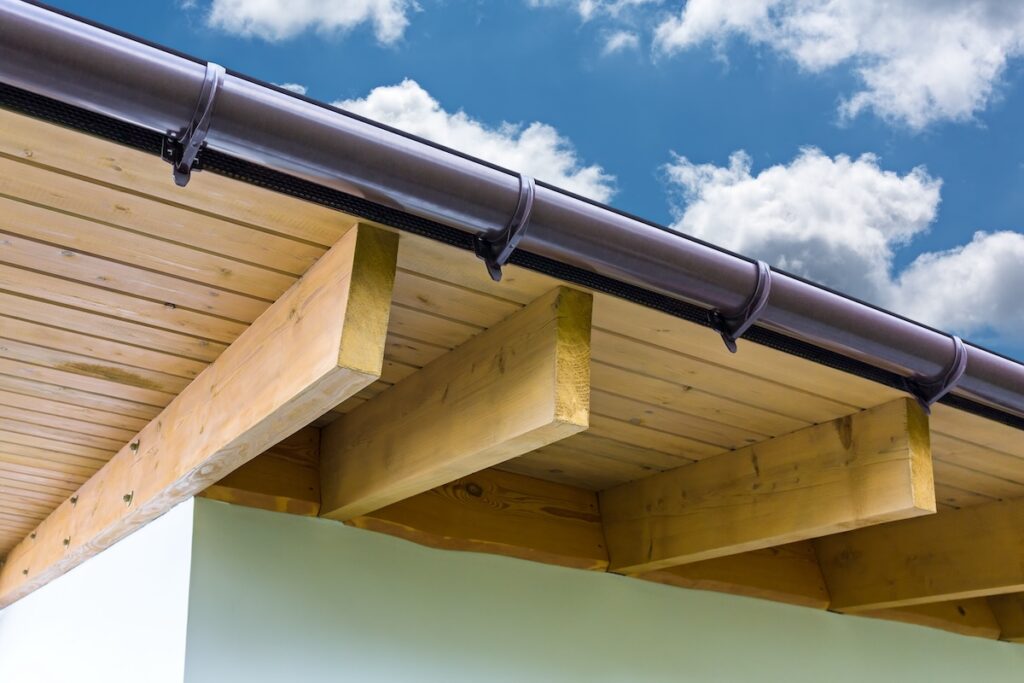
To get the most out of your roof eaves, regular maintenance and inspections are crucial. Here are some tips to keep your eave overhang in tip-top shape:
Look for Signs of Damage
Take the time to carefully inspect your soffit and fascia boards for any visible signs of wear and tear. Look for cracks, warping, or boards that may be missing entirely. These damages can compromise your home’s ability to stay protected from rainwater and pests. For example, cracks can allow moisture to seep into your roof structure, causing rot and long-term damage, while gaps or missing boards create easy entry points for rodents or insects. Regular inspections can help you catch these issues early, saving time and money on extensive repairs down the line.
Clean the Gutters
Your gutters and roof eaves work hand-in-hand to keep water flowing away from your home. When gutters become clogged with leaves, dirt, or other debris, they can overflow, leading to water pooling near your roofline. This standing water can seep into your eaves, causing rot and weakening the structural integrity of your roof over time. To avoid these problems, clean your gutters regularly, especially after heavy storms or during the fall when leaves are abundant. You can also consider installing gutter guards to reduce buildup and make maintenance easier.
Inspect for Pests
Pests often see your roof eaves as the perfect place to build a home. Birds may create nests in open spaces, while bees, wasps, or hornets can establish hives in boxed-in eaves. Rodents and squirrels may also chew through wood to gain access to your attic or roof space. These infestations can lead to property damage and potential health risks. During your inspections, look for nests, droppings, or holes in the wood that might indicate pest activity. If you notice any signs of infestation, address the problem immediately by removing nests and sealing off entry points or contacting a pest control professional for assistance.
Regular Painting or Sealing
If your home has wooden eaves, they need extra care to withstand exposure to the elements. Over time, wind, rain, and UV rays can cause wood to crack, peel, or decay if left untreated. Repainting or sealing your wood eaves every few years not only keeps them looking fresh but also provides a protective barrier against moisture and weather-related wear. Choose high-quality exterior paint or wood sealant to ensure long-lasting durability. Pay special attention to areas that are more exposed to rain or sunlight, as they are more prone to damage. Regular maintenance like this will extend the lifespan of your eaves and keep your home looking its best.
👉 Roof Eaves Guide
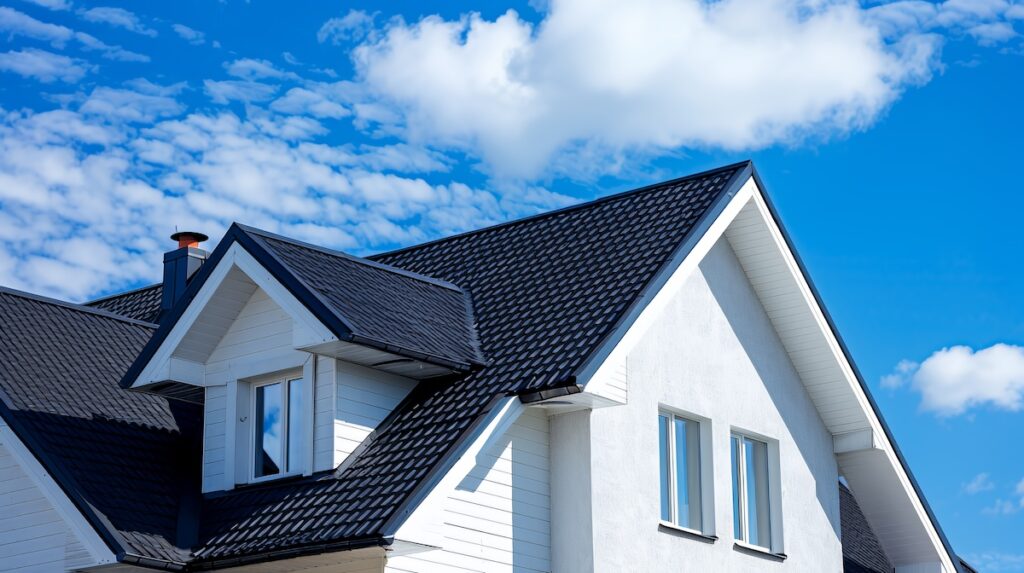
In conclusion, roof eaves play a vital role in protecting your home and enhancing its overall look. At Kenneth Daniel Roofing, we combine unmatched expertise, personalized customer service, and a commitment to quality to ensure your roofing system stands the test of time.
Whether you need eaves repairs, a full roofing installation, or just advice on where to start, our team is here to help. Trust us to treat your home like our own. Ready to get started? Contact us today for your free consultation!
EXPLORE OUR RECENT ARTICLES
We’re Redefining Roofing. You In?