(434) 944-6005
7 Types of Roof Damage Every Homeowner Will Experience
 11.20.25
 9 minutes read

Your roof does more than protect your home—it’s the first line of defense against wind, rain, and harsh weather. Over time, every homeowner will face at least one of the many types of roof damage that come from age, environment, or installation issues. Knowing what to look for helps you catch small problems before they turn into expensive repairs. For homeowners in Rocky Mount, NC and surrounding areas, understanding common roof damage is especially important due to the mix of heat, humidity, and storms the region experiences each year.
Whether you’re scheduling an inspection or trying to decide when it’s time for repairs, learning about roof damage can save you money and protect your home’s structure for years to come. You can also explore reliable solutions for roof repairs, replacements, and materials through the company’s roofing page, which details the process and quality products available for local homeowners.
In this homeowner’s guide, you’ll learn:
- The most common types of roof damage homeowners encounter
- What causes each kind of damage and how to spot early signs
- How weather patterns affect roofing materials in your area
- Preventative steps that extend your roof’s lifespan
- When to call a professional for inspection or repair
Why Understanding Roof Damage Matters
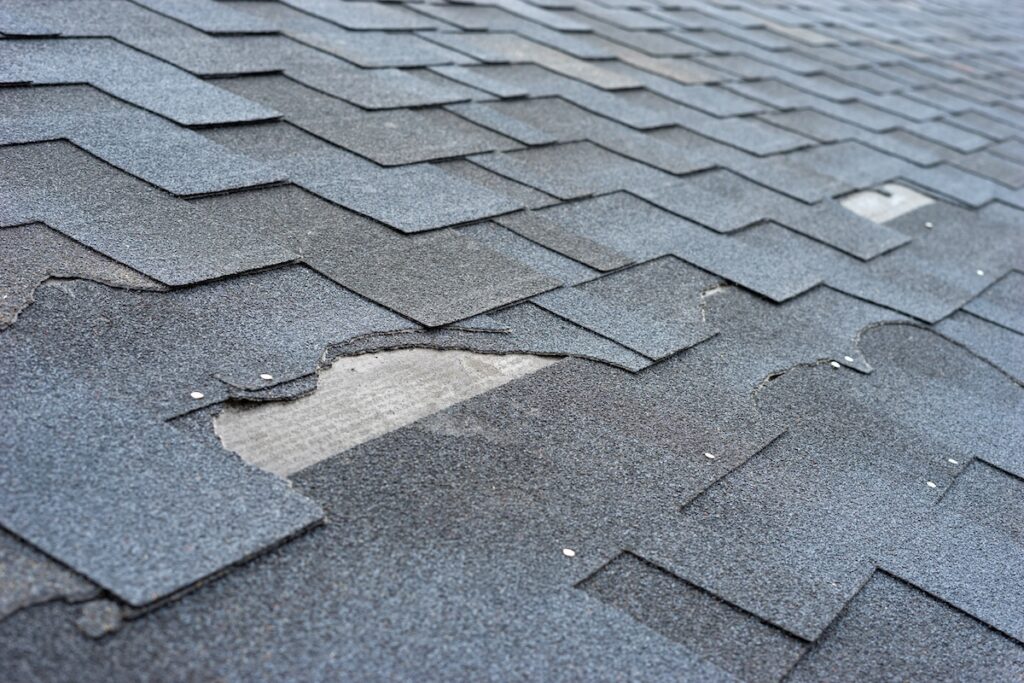
A damaged roof doesn’t just affect your shingles—it impacts your entire home. Even minor leaks can lead to mold growth, insulation loss, and structural deterioration. Understanding roof damage and how it develops helps homeowners take proactive steps to prevent costly issues later.
In Rocky Mount, NC and surrounding areas, where roofs endure heat, heavy rain, and strong winds, being aware of the early warning signs can make all the difference. Here’s why learning about roof damage is so important:
- Protect Your Investment: Your roof is one of the largest financial investments in your home. Knowing how to maintain it ensures you get the full value from its lifespan.
- Prevent Water Damage: Identifying leaks or damaged shingles early can prevent water from spreading into ceilings, walls, and foundations.
- Improve Energy Efficiency: A well-maintained roof helps regulate indoor temperatures, keeping heating and cooling costs lower.
- Extend Roof Longevity: Regular inspections and timely repairs can add years to your roof’s life.
- Maintain Home Value: A healthy roof boosts curb appeal and reassures future buyers about the home’s condition.
7 Common Types of Roof Damage and How to Recognize Them
Every roof, regardless of material or style, is exposed to natural wear and tear. Here are the seven most common types of roof damage homeowners face, what causes them, and how to recognize early signs before they worsen.
1. Storm Damage
Storms are one of the most frequent causes of roof damage in North Carolina. High winds, hail, and heavy rain can loosen shingles, damage flashing, and create leaks that aren’t immediately visible.
Wind-driven rain can also push moisture beneath shingles, where it seeps into underlayment or decking. After a major storm, it’s wise to inspect your roof—or schedule a professional inspection—to assess the full extent of the damage.
Signs of storm damage include:
- Missing or curled shingles
- Dented metal flashing or vents
- Granule loss on asphalt shingles
- Water stains in the attic or ceiling
2. Water Leaks and Moisture Intrusion
Water is a roof’s greatest enemy. Even the smallest leak can cause significant interior damage if left unchecked. Moisture can weaken wooden roof decking, promote mold growth, and compromise insulation.
Leaks often start around flashing, chimneys, or vents where seals may deteriorate over time. Regular inspections, especially after heavy rain, are critical to catching these problems early.
Look for:
- Stains or discoloration on ceilings
- Damp insulation in the attic
- Dripping sounds during rainfall
- Moldy or musty odors indoors
3. Hail Damage
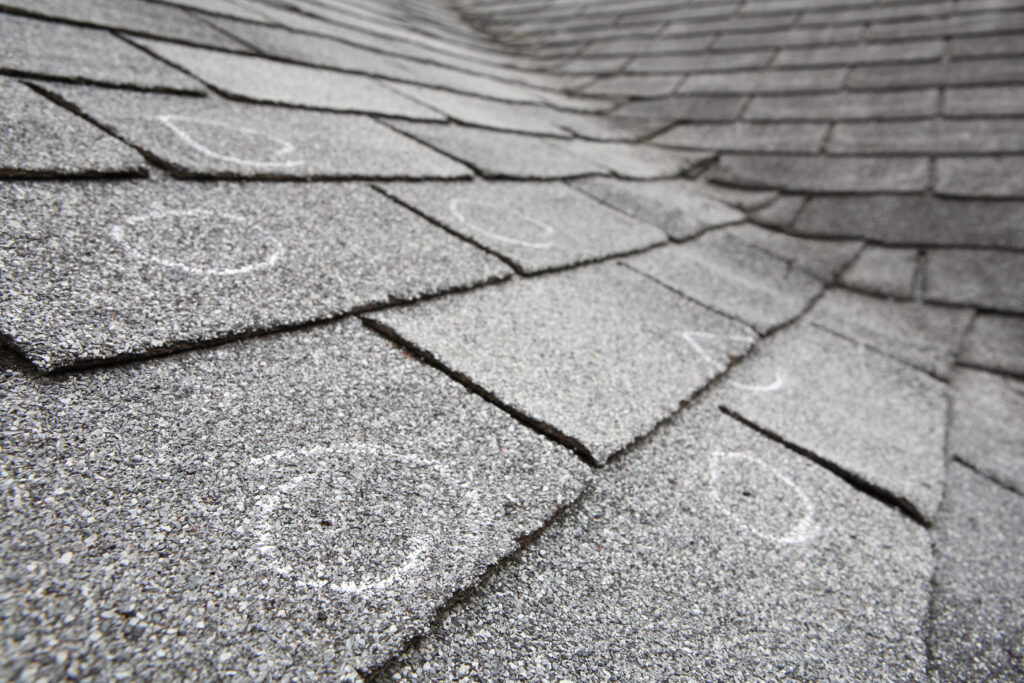
Hail can strike quickly and leave lasting marks on a roof. Even small hailstones can bruise shingles, knock off protective granules, or crack brittle materials. The challenge is that hail damage isn’t always visible from the ground, which is why professional inspection is key after severe weather.
Hail damage indicators:
- Circular dents or pockmarks on shingles
- Exposed black asphalt beneath missing granules
- Damaged gutters or downspouts
- Shingle soft spots when gently pressed
4. UV and Heat Damage
Sun exposure gradually wears down roofing materials. UV rays break down the chemical bonds in shingles, causing them to fade, dry out, and lose flexibility. This leads to cracking, splitting, and curling.
In Rocky Mount, NC and surrounding areas, long periods of summer heat accelerate this type of damage. When shingles lose their protective coating, the roof becomes more vulnerable to leaks and aging.
Signs of heat-related roof damage include:
- Faded or brittle shingles
- Cracks or splits in shingle surfaces
- Warping or curling along edges
- Visible loss of granules
5. Tree and Debris Damage
Overhanging branches can scrape and puncture shingles during windstorms. Falling limbs can cause major structural damage, while smaller debris like leaves and pine needles can clog gutters and trap moisture along the roofline.
Regular tree trimming and seasonal cleanup prevent many of these issues. Always check your roof after strong winds to ensure no branches or heavy debris have caused damage.
Watch for:
- Broken or missing shingles near trees
- Roof valleys filled with leaves or branches
- Water pooling after rainfall
- Damaged gutters or fascia boards
6. Poor Installation or Workmanship
A roof is only as reliable as the crew that installs it. Poor installation can lead to long-term problems like leaks, uneven wear, and premature failure. Unfortunately, homeowners often don’t realize there’s an issue until years later.
Improperly driven nails, misaligned shingles, and poorly sealed flashing are all signs of rushed or unprofessional work. Choosing an experienced contractor ensures your roof performs as expected for its full lifespan.
Common results of poor installation:
- Shingles that lift or slide out of place
- Uneven roof lines
- Persistent leaks soon after installation
- Shortened warranty coverage due to installation errors
7. Age and Natural Wear
Even with the best maintenance, every roof has a lifespan. Asphalt shingles typically last 20 to 25 years, while metal and tile can last much longer. As roofs age, materials weaken, seals break down, and small cracks appear.
When your roof nears the end of its lifespan, it’s wise to start planning for replacement before major issues develop.
Typical aging indicators:
- Worn, discolored, or curling shingles
- Frequent small leaks
- Sagging rooflines
- Moss or algae growth in shaded areas
How Weather Patterns Affect Roof Damage
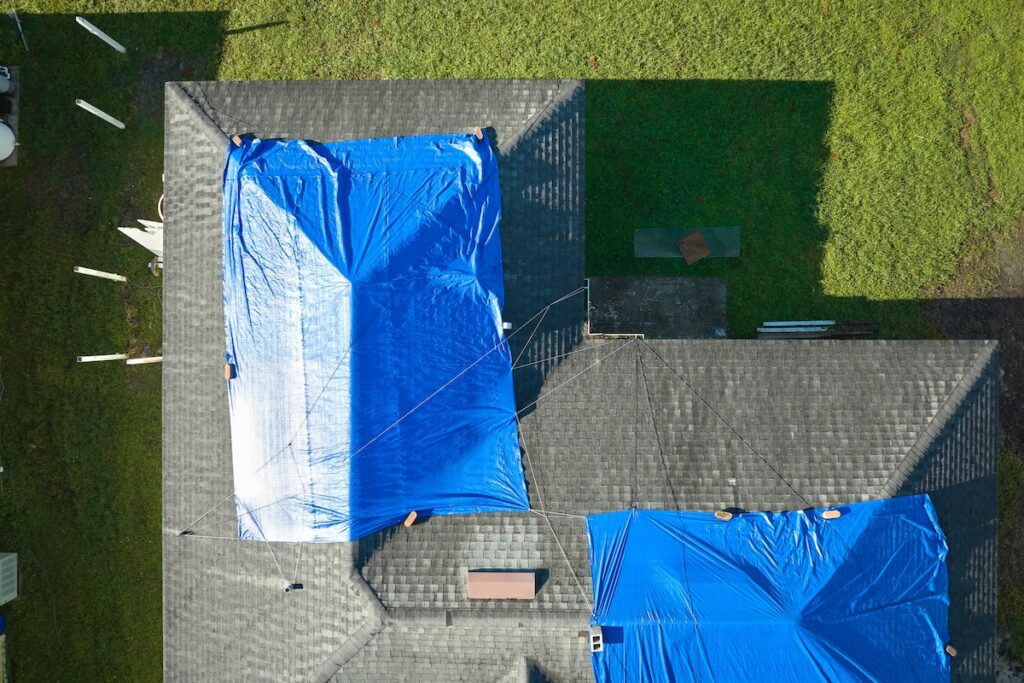
Every climate produces unique roofing challenges. In Rocky Mount, NC and surrounding areas, homeowners must contend with heat, humidity, and storm activity that combine to stress roofing systems year-round.
- Heat and Sun Exposure: Long summers lead to drying and cracking of shingles.
- Humidity: Moisture buildup encourages algae growth and can weaken wood decking.
- Rain and Wind: Seasonal storms test flashing, shingles, and gutters.
- Cold Snaps: Rapid temperature changes cause expansion and contraction, which can loosen materials over time.
Understanding how local weather affects your roof helps you anticipate the types of maintenance required each season. Scheduling regular inspections before and after major weather changes ensures your home stays protected.
Preventing Roof Damage: Practical Maintenance Tips
Preventative care is the most effective way to reduce roof damage. While professional inspections are crucial, homeowners can take several steps throughout the year to extend their roof’s lifespan and prevent costly repairs.
Schedule Annual Inspections
Having your roof professionally inspected at least once per year helps identify small problems before they become major ones. This is especially valuable after severe weather or before selling your home.
Clean Gutters and Downspouts
Clogged gutters cause water to pool near your roofline, increasing the risk of leaks and rot. Cleaning gutters each spring and fall ensures proper drainage and prevents standing water damage.
Trim Overhanging Branches
Tree limbs that touch or hang over your roof can damage shingles and invite pests. Keep trees trimmed back several feet to prevent scraping or falling debris during storms.
Check Attic Ventilation
Poor ventilation causes heat and moisture to build up under your roof, shortening its lifespan. Ensure your attic has proper airflow and insulation to prevent premature aging.
Replace Damaged Shingles Promptly
Missing or broken shingles expose your roof to water damage. Replace them as soon as you notice issues, even if the damage seems minor.
Repair or Replace: How to Decide What Your Roof Needs
When roof damage occurs, deciding between repair and replacement can be difficult. The right choice depends on the extent of the damage, the roof’s age, and your long-term goals.
| Situation | Recommended Solution | Reason |
| Isolated storm damage | Repair | Replacing individual shingles restores integrity. |
| Roof is over 20 years old | Replacement | Aging materials may fail again soon. |
| Leaks around flashing or vents | Repair | Targeted fixes can stop localized leaks. |
| Widespread curling or cracking | Replacement | Indicates system-wide aging. |
| Structural sagging | Replacement | Sign of decking or framing deterioration. |
Professional roofers can evaluate the condition and recommend the most cost-effective solution. In many cases, prompt repairs can extend the roof’s life by several years.
Protecting Your Roof with Professional Help
Some maintenance tasks are simple for homeowners, but others require trained professionals. A professional inspection includes checking not just the shingles but also flashing, gutters, vents, and attic ventilation.
In Rocky Mount, NC and surrounding areas, working with an experienced local roofer ensures your roof can handle regional weather conditions and lasts as long as possible. Contractors familiar with the area understand what materials perform best and how to build roofs that stand up to heat and storms alike.
Identifying Roof Damage Early Saves Time and Money
Every homeowner will eventually face at least one of these common roof problems. The good news is that with regular maintenance and prompt attention, most issues can be resolved before they become serious. By understanding the most common types of roof damage, you can take proactive steps to protect your investment and your home.
If your home in Rocky Mount, NC and surrounding areas shows signs of damage—or if it’s been more than a year since your last inspection—the experts at Kenneth Daniel Roofing are ready to help. Our experienced team provides honest assessments, expert repairs, and reliable replacement options designed to last. To schedule your inspection or request an estimate, simply contact us today.
EXPLORE OUR RECENT ARTICLES
We’re Redefining Roofing. You In?