(434) 944-6005
Siding Repair Cost: What to Expect From a Contractor
 11.6.25
 9 minutes read

When your siding starts to show signs of wear or damage, the siding repair cost can quickly become a concern. Siding isn’t just about looks — it protects your home from the elements, improves energy efficiency, and adds lasting value to your property. Understanding what affects the cost of repairs helps homeowners make smarter choices and avoid unexpected surprises. For residents of Wilson, NC and surrounding areas, where humid summers and stormy weather are common, staying informed about siding repairs can save both time and money.
In this homeowner’s guide, you’ll learn:
- What affects the total siding repair cost
- How contractors evaluate damage and prepare estimates
- The most common siding problems and their solutions
- Ways to keep repair costs manageable
- When repairs make sense versus full replacement
Why Knowing Siding Repair Costs Matters
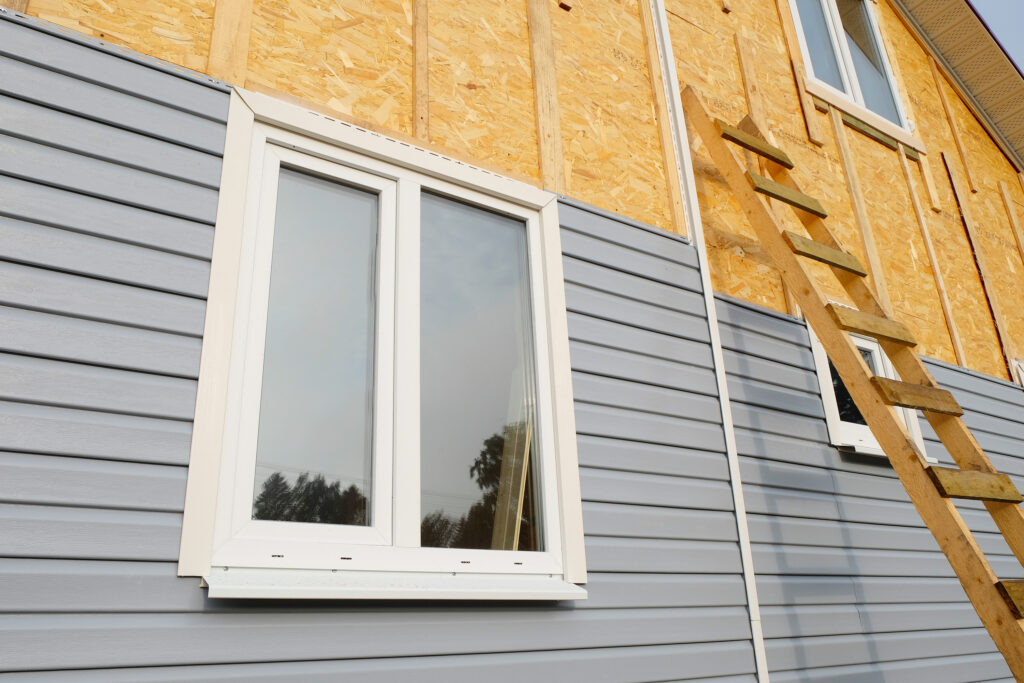
Siding is one of your home’s first lines of defense. When it’s compromised, even small cracks or gaps can allow moisture and pests to enter, leading to larger issues that are far more expensive to fix later. Understanding the cost breakdown helps you plan ahead and make confident decisions when you hire a contractor.
In Wilson, NC and surrounding areas, homes face constant exposure to rain, humidity, and temperature changes that can accelerate siding deterioration. Taking the time to understand how repairs are priced ensures you get fair estimates and quality results.
- Better Budget Planning: Knowing what to expect helps you plan financially without surprises.
- Stronger Home Protection: Timely siding repairs stop water intrusion before it becomes structural damage.
- Increased Home Value: Well-maintained siding boosts curb appeal and resale potential.
- Improved Decision-Making: Understanding repair costs helps you compare contractors and avoid low-quality work.
5 Main Factors That Affect Siding Repair Cost
Every siding repair is unique. Prices can vary depending on the materials used, the extent of damage, and even how accessible the area is. Below are the five primary factors that influence what you’ll pay when hiring a contractor.
1. The Extent of the Damage
Minor cracks or small warped sections are far cheaper to fix than large-scale water damage or rot. Contractors must first determine whether the damage is surface-level or if it extends deeper into the wall’s structure.
If moisture has penetrated the sheathing or insulation, repairs will require additional materials and labor, increasing the total cost.
- Small cracks or chips usually involve patching or limited panel replacement
- Warped or sagging panels may require removal and reinstallation of multiple sections
- Rot or water infiltration demands more extensive restoration work
2. The Siding Material
The type of siding on your home plays a major role in repair costs. Some materials are easy to work with, while others require special tools or expertise.
For example, vinyl is among the most affordable to repair because it’s lightweight and relatively simple to replace. Fiber cement and wood, however, are more labor-intensive.
- Vinyl: Inexpensive, easy to replace, and commonly available
- Wood: Classic and attractive but prone to rot and insect damage
- Fiber Cement: Extremely durable but heavier, requiring more labor
- Aluminum: Lightweight and rust-resistant but may dent easily
Homes in Wilson, NC and surrounding areas often feature vinyl or fiber cement siding because they handle humidity well and require less maintenance.
3. Labor and Accessibility
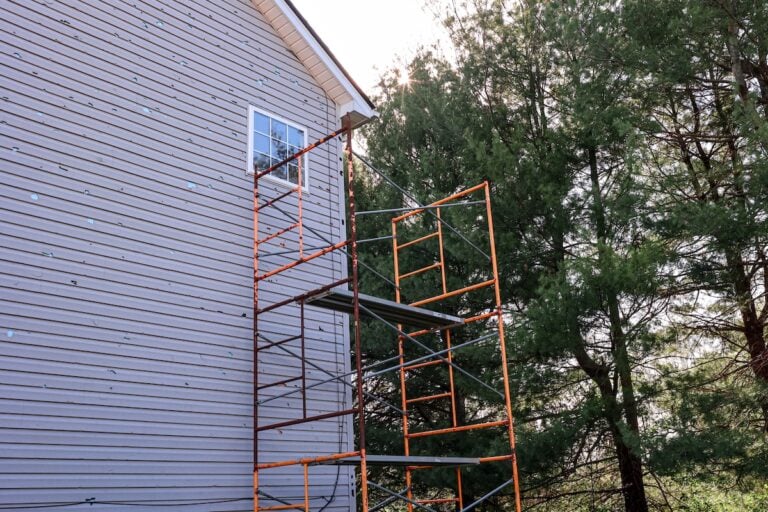
Labor typically accounts for a large percentage of your siding repair cost. Jobs that require more time, specialized equipment, or additional crew members will cost more. Multi-story homes or those with intricate designs take longer to repair.
If the damaged area is difficult to reach — for example, behind landscaping or near roof peaks — the complexity and time involved increase labor expenses.
- Second-story repairs or hard-to-reach sections require additional setup
- Obstacles like decks, shrubbery, or fences add to labor time
- Weather and safety conditions also impact scheduling and labor rates
4. Home Size and Design
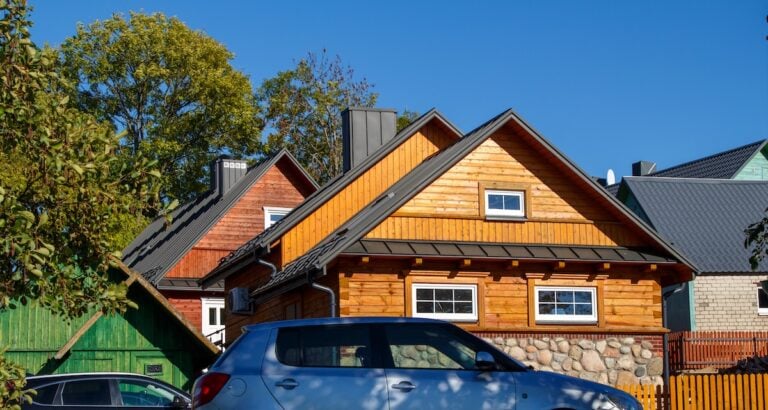
A larger home means more siding surface area, which affects both material quantity and labor time. Architectural details such as gables, decorative trim, or multiple window frames also raise costs because each area needs extra cutting and fitting.
- Homes with intricate architectural features require precise measurements
- Simple rectangular layouts are faster and cheaper to repair
- The total square footage directly influences overall pricing
5. Cleanup and Disposal
Quality contractors include debris removal and cleanup in their pricing. Proper cleanup ensures nails, screws, and old siding materials are safely removed from your property.
- Safe disposal of damaged siding
- Cleanup of nails and debris
- Protection of landscaping and driveways during the job
The Most Common Siding Problems and What They Mean for Cost
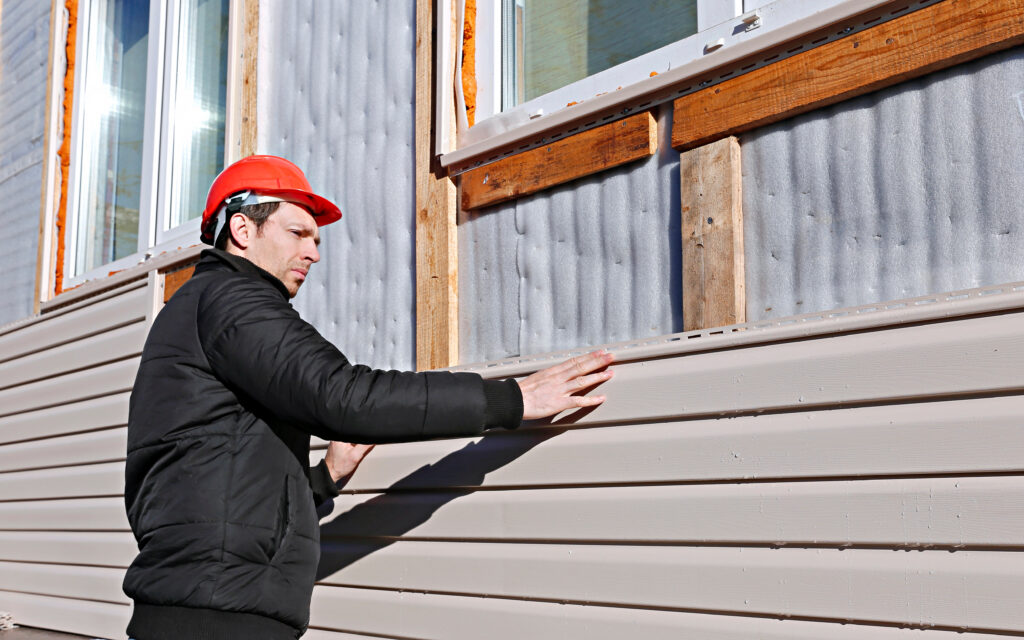
Certain siding issues are more common than others, especially in climates with high humidity or frequent storms like those in Wilson, NC and surrounding areas. Below are some of the most typical issues contractors encounter and how they affect the overall price of repairs.
1. Cracked or Broken Panels
Cracked siding panels often occur due to impact from debris, hail, or thermal expansion. The repair is usually straightforward if only a few panels are affected. However, if the cracks extend across multiple walls or involve hidden moisture, additional costs arise.
- Localized cracks cost less to fix
- Matching older siding colors or textures may increase price
- Repairs involving moisture barriers or insulation take longer
2. Warping and Buckling
Improper installation or excessive heat can cause siding to warp or buckle. Once the siding is deformed, it must be removed and reinstalled correctly to ensure a flat, secure fit.
- Warped panels often require replacement, not just repair
- Sections may need to be re-nailed or adjusted for proper spacing
- Contractors inspect for trapped moisture beneath warped areas
3. Moisture Damage
Water infiltration is among the most expensive problems to repair. Once water reaches the layers beneath the siding, it can cause mold, rot, or even structural weakening. Contractors use moisture meters to find the source and assess how far the damage has spread.
- Damaged sheathing or framing increases repair scope
- Mold or mildew removal adds to costs
- Proper sealing and ventilation help prevent recurrence
4. Rot and Decay in Wood Siding
Wood siding looks beautiful but is vulnerable to rot, particularly in humid regions. If caught early, small spots can be treated or patched. Extensive decay requires board replacement.
- Spot treatments are inexpensive if caught early
- Severe rot may require new panels and protective coatings
- Contractors may recommend sealing or repainting for added protection
5. Loose or Missing Panels
Strong winds, storms, or improper installation can cause siding panels to loosen or detach completely. If the panels are still in good shape, reinstallation is a simple fix. Missing or broken panels, however, require replacements.
- Reattaching existing panels is usually low-cost
- Replacing missing panels increases price, especially for older materials
- Color matching is important for seamless repairs
How Contractors Determine Your Estimate
When you schedule a siding inspection, your contractor follows a specific process to assess the damage and provide an accurate estimate. This ensures that no hidden issues are overlooked and that you understand exactly what you’re paying for.
For homeowners in Wilson, NC and surrounding areas, contractors typically evaluate both visible and hidden problems caused by weather or long-term exposure.
- Initial Inspection: Visual assessment of cracks, gaps, and moisture stains.
- Moisture Testing: Use of meters to detect water behind panels.
- Material Evaluation: Determining if siding is still available or discontinued.
- Structural Check: Assessing whether sheathing or framing is compromised.
- Estimate Preparation: Providing a written, detailed quote with scope, materials, and timeline.
How to Keep Siding Repair Costs Manageable
Repairing siding doesn’t have to break your budget. The key is proactive maintenance, informed decision-making, and choosing the right contractor. There are several ways to control costs without compromising quality.
Schedule Routine Inspections
Annual or seasonal inspections catch small problems before they worsen. This is especially valuable in climates like Wilson, NC and surrounding areas, where humidity and storms can cause rapid deterioration.
Maintain Your Siding
Regular cleaning and upkeep extend the lifespan of your siding. Dirt, mold, and algae can hold moisture, leading to long-term damage.
- Wash siding once or twice per year
- Trim trees and bushes to prevent impact damage
- Reseal or repaint wood siding regularly
Compare Detailed Estimates
Don’t base your decision solely on price. Review what’s included in each contractor’s quote. A detailed estimate provides transparency and helps you understand where your money is going.
- Labor and material breakdown
- Cleanup and disposal details
- Warranty coverage and service timelines
Avoid Low-Quality Bids
A quote that seems “too good to be true” often is. Extremely low bids may indicate inferior materials or unlicensed labor. Investing in professional service saves you money in the long run.
Choose Local, Experienced Contractors
Hiring a local company means your contractor understands the region’s weather and building styles. Local professionals are more familiar with the types of siding commonly used in Wilson, NC and surrounding areas, which helps ensure accurate repairs.
Repair vs. Replacement: Making the Right Choice
Not all siding problems require full replacement, but sometimes it’s the more practical long-term solution. Knowing when to repair versus replace can save you from recurring issues and repeated costs.
When to Repair
Repairs are appropriate if damage is limited to small sections, the siding is relatively new, and materials are readily available. Minor cracks, dents, or loose panels can often be addressed quickly.
When to Replace
Replacement is recommended when large portions of siding are damaged, moisture has reached the sheathing, or the material has exceeded its lifespan. New siding improves insulation, energy efficiency, and curb appeal.
- Widespread cracking or warping across multiple walls
- Difficulty matching older materials
- Persistent moisture problems
- High energy bills due to poor insulation
Next Steps to Take For Siding Repair
Understanding siding repair cost empowers homeowners to protect their investment and make informed choices. By knowing what affects pricing and how contractors evaluate damage, you can ensure fair quotes and high-quality work. Whether your home in Wilson, NC and surrounding areas needs a small fix or a more extensive restoration, timely action prevents bigger problems down the road.
For trusted, professional guidance and expert siding repair, the team at Kenneth Daniel Roofing is here to help. To schedule your inspection or request a detailed estimate, contact us today through our online form.
EXPLORE OUR RECENT ARTICLES
We’re Redefining Roofing. You In?