(434) 944-6005
Perform Roof Valley Leak Repair (6 Easy Fixes for Homeowners)
 12.31.25
 6 minutes read

Addressing a roof valley leak promptly is essential to maintain the integrity of your home’s roof and prevent costly damage. The roof valley, where two roof slopes intersect, is a common vulnerability area that requires careful inspection and repair. Understanding how to perform roof valley leak repair can save you time and money while safeguarding your property. For professional insight or assistance, exploring options for general roofing services can provide tailored solutions to keep your roof in optimal condition.
- Learn why roof valley leaks are critical to address.
- Discover the common causes of roof valley leaks.
- Follow easy step-by-step repair methods for homeowners.
- Understand maintenance tips to prevent future leaks.
- Explore when to seek professional help for complex repairs.
Why Addressing Roof Valley Leaks Is Essential
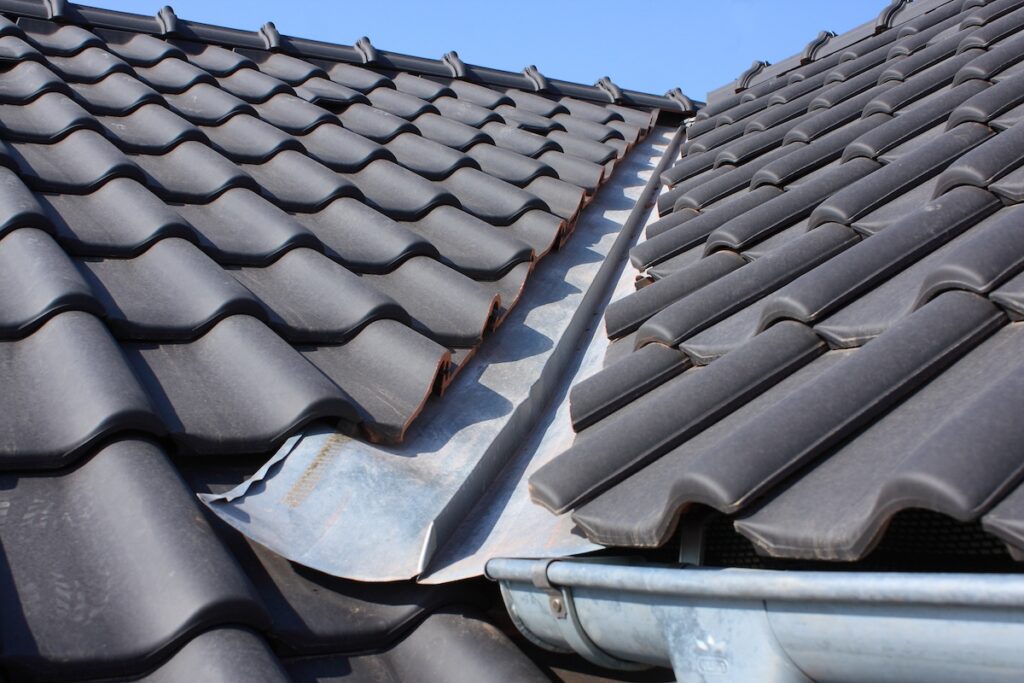
Roof valleys serve as natural channels for rainwater and snow runoff, making them prone to leaks if not properly maintained or repaired. Ignoring a leak in this area can escalate minor issues into severe structural damage.
- Water Damage Prevention: Stopping leaks protects the underlying roofing materials and interior structures from water intrusion that can cause rot and mold.
- Extend Roof Lifespan: Proper care of roof valleys prevents premature deterioration of shingles and flashing, improving overall roof durability.
- Preserve Home Value: Well-maintained roofing adds to curb appeal and property marketability, while leaks can diminish resale value.
- Energy Efficiency: Sealing leaks prevents heat and cooling loss, helping lower utility bills.
- Safety: Preventing water entry can reduce risks of electrical hazards related to wiring inside the home.
Common Causes of Roof Valley Leaks
Understanding why roof valley leaks occur helps pinpoint the right repair strategy. Typically, issues arise from wear, installation errors, or weather impact.
1. Damaged or Missing Shingles
Shingles protect the roof surface, but valley areas often experience concentrated wear. Harsh weather or falling debris can crack, loosen, or remove shingles.
- Exposed areas allow water to seep beneath the roofing layers.
- Shingles may lift or curl due to aging or poor installation.
2. Improper Flashing Installation
Flashings provide a waterproof barrier along roof valleys. Incorrect installation or corrosion of metal flashings can create gaps where water infiltrates.
- Flashing seams may separate over time.
- Incorrect angles or fasteners reduce flashing effectiveness.
3. Debris Accumulation
Leaves, twigs, and other debris can clog valleys, causing water to pool instead of draining. Standing water accelerates deterioration and increases leak risk.
- Continuous moisture exposure damages shingles and flashing.
- Can lead to mold or moss growth, complicating repairs.
4. Roof Vent or Pipe Flashing Failures
Valleys intersect with pipes or vents that require additional flashing. If these seals fail, leaks may originate around those penetrations.
- Cracks or gaps in pipe collars allow water entry.
- Expansion and contraction of roofing materials affect seal durability.
5. Aging Roofing Materials
Natural material wear over time reduces their protective qualities. Older roofs may develop cracks or lose adhesion, making valleys vulnerable.
- Frequent inspections become crucial as the roof ages.
- Proactive repairs can avoid major replacements.
6 Step Guide to Repair Roof Valley Leaks
Many roof valley leaks can be repaired by homeowners with basic tools and some careful attention. Here are straightforward repair steps made simple.
1. Inspect the Roof Valley Thoroughly
Start by checking the valley area for damaged shingles, loose flashing, or debris buildup. Use binoculars for initial assessment and a ladder for close inspection.
- Look for cracked, missing, or curled shingles.
- Check flashing seals and metal condition.
- Note any debris or signs of water stains on the attic ceiling.
2. Clear Debris and Clean the Valley
Remove leaves, twigs, and dirt to ensure clear drainage. Use a broom or blower gently to avoid damaging roofing materials.
- Keep gutters clean to support proper water flow.
- Dispose of debris carefully to avoid clogging.
3. Replace or Repair Shingles
If shingles are missing or damaged:
- Remove old shingles carefully without disturbing surrounding ones.
- Install matching shingles with roofing adhesive and nails.
- Seal edges with roofing cement to prevent water penetration.
4. Repair or Install New Flashing
For compromised flashing:
- Remove damaged flashing sections cautiously.
- Use corrosion-resistant metal flashing designed specifically for valleys.
- Secure flashing with galvanized nails and seal edges thoroughly.
5. Apply Roofing Cement or Sealant
Seal joints between flashing and shingles with roofing cement or high-quality sealant to prevent leaks. This step is critical for waterproofing.
- Focus on nail heads and flashing seams.
- Use a putty knife for smooth application.
6. Test the Repair
After completing repairs, rinse the valley with water using a hose to confirm there is no leakage. Watch from inside the attic during this test.
- Look for water penetration or damp spots.
- Repeat repairs if water infiltration occurs again.
Maintenance Tips to Prevent Future Roof Valley Leaks
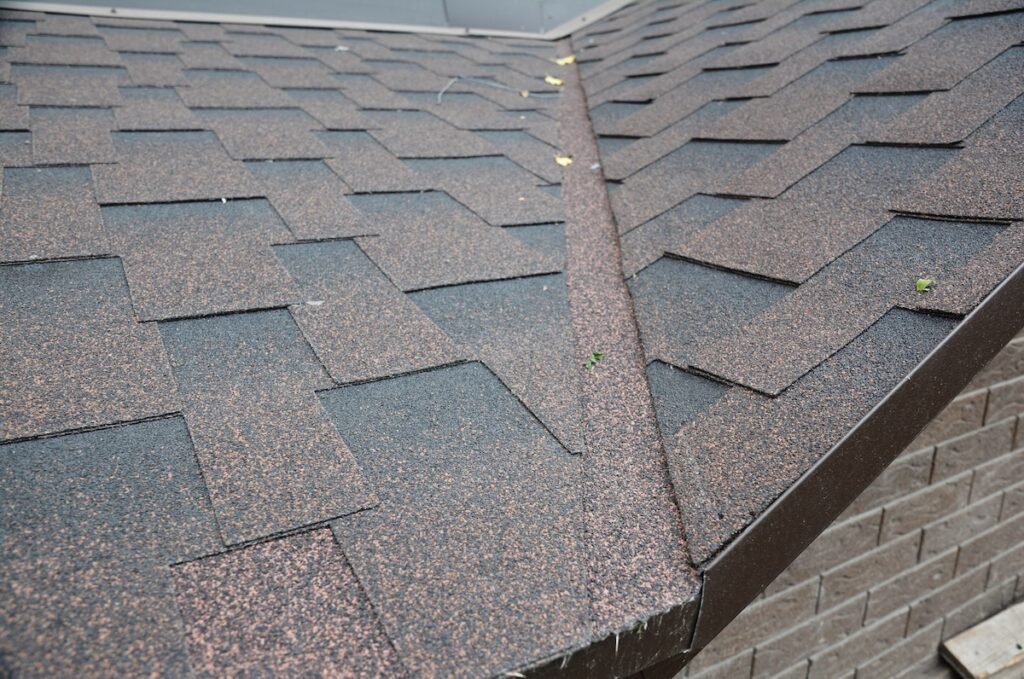
Regular maintenance helps avoid costly roof valley leaks and prolongs your roof’s life. Here are some actionable strategies.
Frequent Roof Inspections
Schedule at least annual inspections and after major storms to detect early damage in valleys or flashing.
Keep Valleys Clean
Regularly remove natural debris and inspect drainage paths to prevent standing water buildup.
Trim Overhanging Trees
Reducing branches near the roof minimizes debris and potential physical damage to roofing materials.
Maintain Gutters and Downspouts
Clear gutters to ensure proper water flow that supports the valleys’ drainage function.
Prompt Repairs
Address small leaks or damages quickly to prevent escalation and protect your investment.
When to Seek Professional Roofing Assistance
Some leaks or roof valley issues are complex and require expert knowledge and specialized tools. Understanding when to call professionals ensures safety and lasting results.
Extensive Damage
If large sections of shingles or flashing are damaged or missing, a pro roofing contractor can provide safe and efficient replacement.
Complex Roof Designs
Roofs with multiple valleys, steep pitches, or unique materials need expert skills beyond basic DIY repairs.
Persistent Leaks
If repeated repairs do not resolve the leak, professionals can perform thorough diagnostics and comprehensive fixes.
Insurance Claims
Professional assessments can support claims for damage related to storms or other insured events.
Exploring reliable general roofing services can guarantee your roof valley issues are handled with quality workmanship and warranty protection.
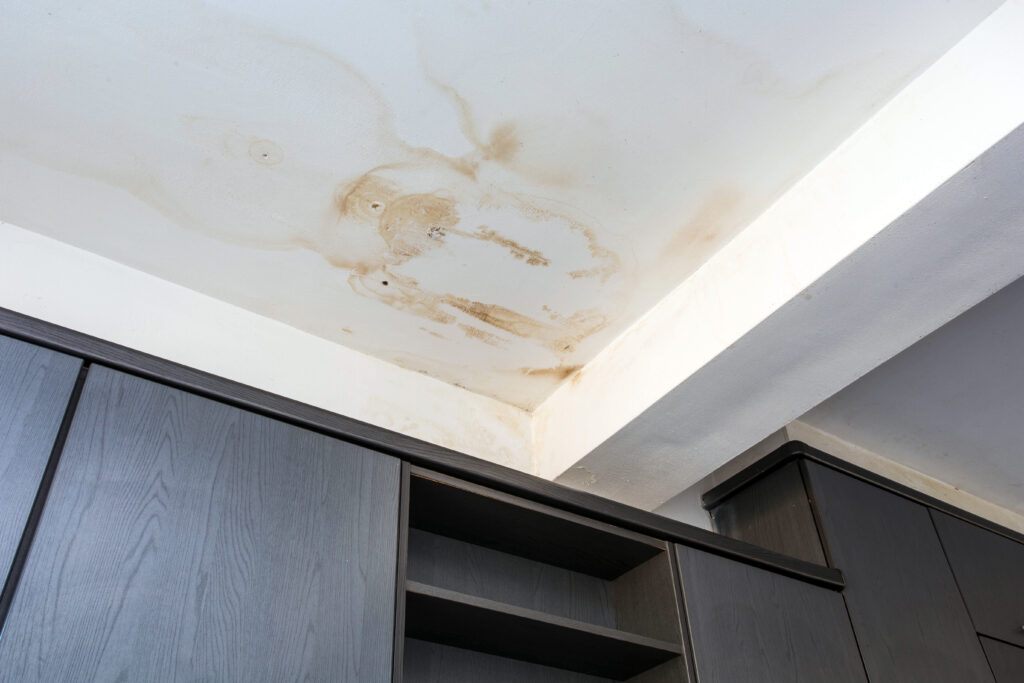
Protecting Your Home With Roof Valley Leak Repair
Understanding how to perform roof valley leak repair is an invaluable skill for homeowners to protect their property efficiently. Early detection, thorough cleaning, and targeted repairs can prevent leaks from causing serious structural damage. Coupled with regular maintenance, these efforts significantly extend the life of your roof and improve your home’s overall resilience. For complex cases or a professional assessment, do not hesitate to contact us today to schedule an expert roofing consultation and ensure your home remains safe and secure.
EXPLORE OUR RECENT ARTICLES
We’re Redefining Roofing. You In?