(434) 944-6005
Roof Lifespan (How Long Does Your Roof Last in 2026?)
 12.12.25
 6 minutes read

Understanding your roof lifespan is essential for protecting your home, budgeting for future expenses, and ensuring your property remains safe and attractive. As we approach 2026, many homeowners find themselves asking how long their current roofs will last and what factors influence that durability. Having a clear idea about roof longevity can help you make informed decisions about maintenance, repairs, or replacement. For those interested in more detailed information on roof care, exploring general roofing services is a great place to start.
- Discover key reasons why roof lifespan matters for homeowners.
- Learn about the main factors that affect how long a roof lasts.
- Explore practical steps to extend your roof’s life.
- Understand when it’s time to consider a roof replacement.
Why Understanding Roof Lifespan Matters
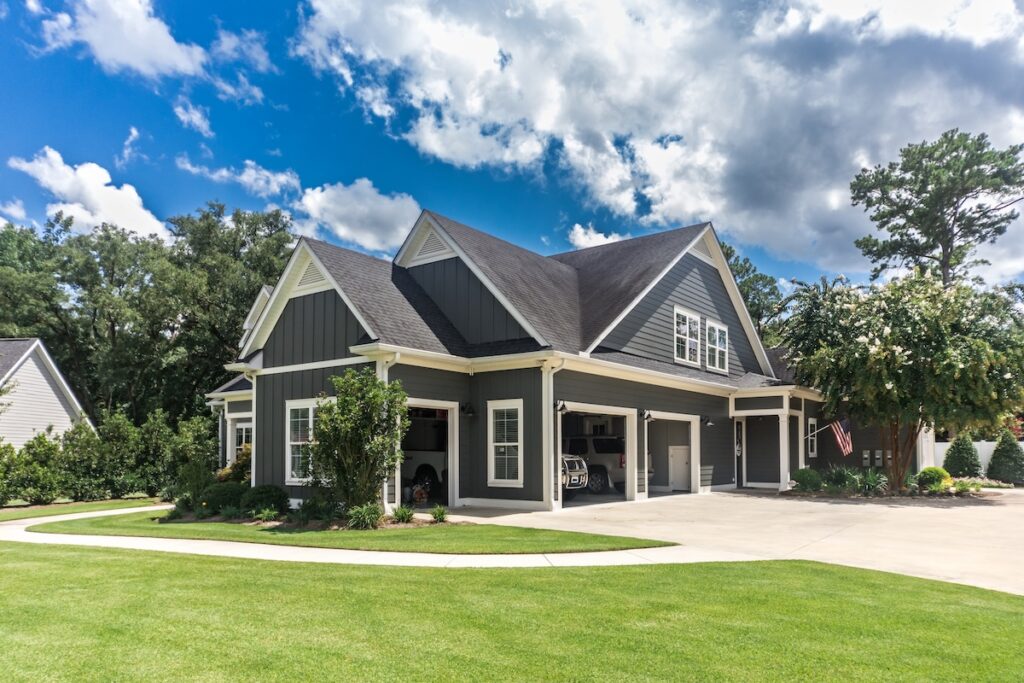
Knowing the expected lifespan of your roof is important for several reasons. A roof is a major investment and one of the most critical components of your home. If you understand its durability, you can avoid unexpected costs and maintain your property’s value.
- Protection: Your roof shields your home from weather, keeping you safe and dry.
- Financial planning: Predicting roof replacement or repair costs prevents budget surprises.
- Property value: A well-maintained roof enhances resale potential and curb appeal.
- Energy efficiency: An aging roof may cause higher energy bills if it loses insulation value.
- Peace of mind: Knowing your roof’s condition reduces emergency repair stress.
By understanding these benefits, homeowners can better plan for the future and prioritize roof care appropriately.
5 Key Factors That Affect Roof Lifespan
Several elements play an important role in determining how long a roof will last. Understanding these can help homeowners anticipate potential issues and take proactive steps toward maintenance or replacement.
1. Roofing Material
The type of roofing material used is perhaps the most significant contributor to lifespan. Different materials offer varied durability, aesthetic, and cost considerations.
- Asphalt shingles typically last 20 to 30 years.
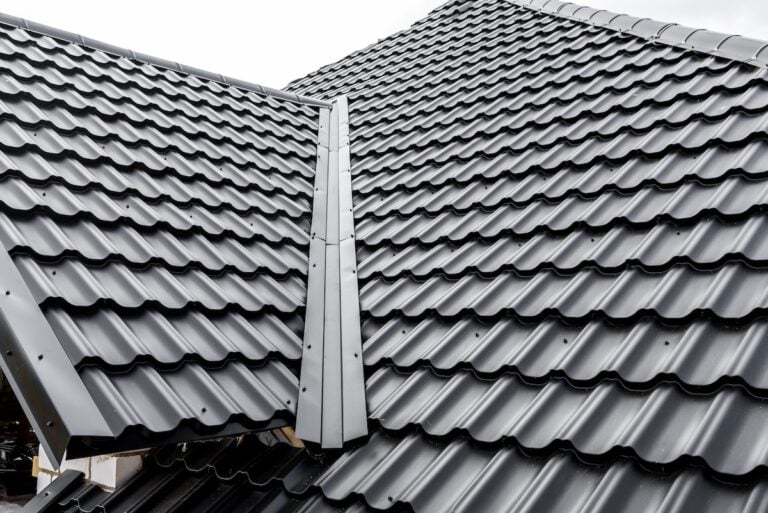
- Metal roofs can endure 40 to 70 years or more.
- Clay and concrete tiles have lifespans of 50 to 100 years.
- Wood shakes generally last around 25 to 30 years.
- Slate roofs are known to last 75 to 100 years or longer.
Choosing the right material depends on climate, budget, and home style, all influencing your roof’s longevity.
2. Climate and Weather Conditions
The environment surrounding your home significantly affects roof durability. Harsh weather can shorten lifespan if not properly managed.
- Extreme heat can cause materials to dry out and crack.
- Heavy rainfall may lead to water damage and leaks if drainage is poor.
- Frequent hail or snow can result in physical damage and accelerated wear.
- Wind damage can loosen or tear roofing components.
Good installation and maintenance help roofs better withstand local weather patterns.
3. Quality of Installation
A roof’s lifespan is heavily influenced by how well it’s installed. Professional workmanship ensures components fit tightly and effectively.
- Proper sealing prevents leaks and water infiltration.
- Correct nailing techniques extend shingle stability.
- Ventilation systems installed properly improve material longevity.
- Experienced contractors often provide better warranties and inspections.
Investing in skilled roofers can save time and money down the road.
4. Maintenance and Repairs
Regular upkeep drastically extends how long roofs function well. Ignoring small issues can lead to costly damage.
- Cleaning debris prevents mold growth and water pooling.
- Prompt repairs to damaged areas stop deterioration.
- Inspection for loose or missing shingles helps avoid leaks.
- Gutter cleaning maintains proper drainage and prevents structural problems.
Scheduling routine roof inspections is a smart strategy for longevity.
5. Roof Design and Ventilation
Design factors such as pitch and ventilation affect water runoff and temperature regulation, influencing roof wear.
- Steeper roofs shed water and debris more easily.
- Proper attic ventilation controls heat and moisture buildup.
- Complex roof shapes can have vulnerable valleys where leaks occur.
- Overhanging eaves protect walls and foundation by channeling water away.
Good design tailored to your local climate supports a longer lifespan.
Tips to Extend Your Roof’s Lifespan
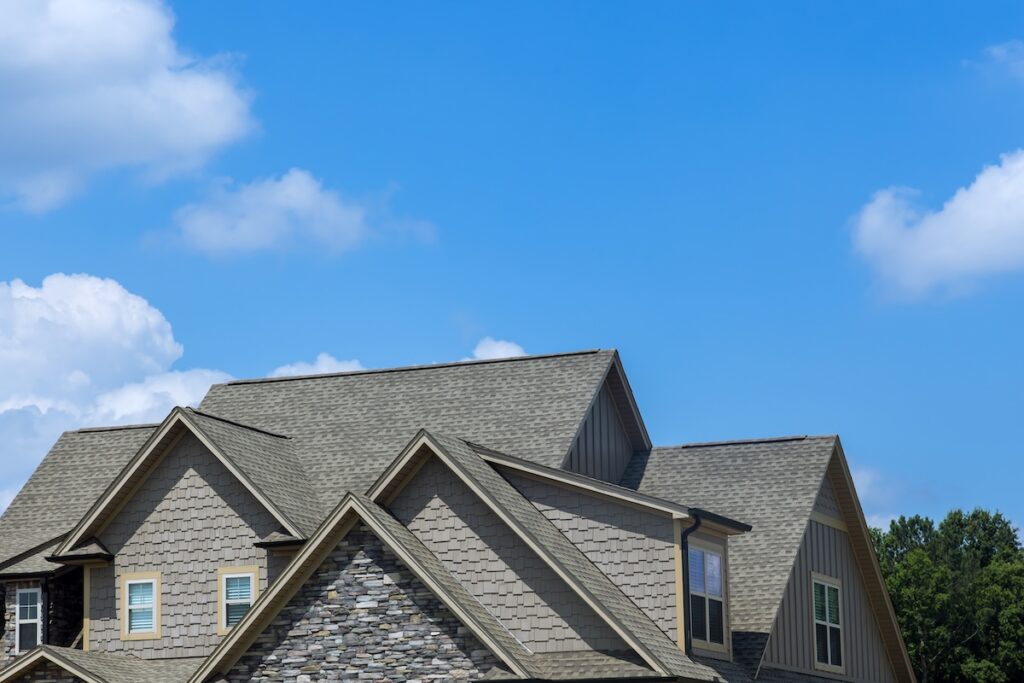
While the roof’s natural durability depends on various factors, homeowners can improve longevity through consistent care. Here are practical ways to protect your investment.
Perform Regular Inspections
Check your roof at least twice a year and after severe weather. Look for damaged or missing shingles, cracked flashing, or signs of water intrusion inside your home.
Keep Gutters Clean
Blocked gutters cause water to overflow and damage fascia boards and roofing materials. Remove leaves and debris frequently to ensure smooth drainage.
Address Repairs Promptly
Don’t delay fixing minor issues. Small leaks or damaged shingles can escalate into extensive water damage if ignored.
Trim Overhanging Branches
Tree limbs rubbing against the roof can wear away surfaces and encourage moss or algae growth. Trimming branches also reduces the risk of impact during storms.
Remove Debris Accumulations
Keep your roof clear of leaves, moss, and dirt that retain moisture and accelerate wear on materials.
Ensure Proper Attic Ventilation
Proper airflow helps regulate temperature extremes and prevent moisture buildup that can damage roofing structure.
Implementing these simple maintenance habits can give your roof added years of reliable protection.
When to Consider Replacing Your Roof
Even with excellent care, roofs eventually reach the end of their service life. Recognizing signs that it’s time for replacement can prevent costly damages and preserve home safety.
Age of the Roof
If your roof is near or beyond the typical lifespan of its material type, it is a strong indicator that replacement is due. For example, an asphalt shingle roof older than 25 years usually requires evaluation for replacement.
Visible Damage
Persistent leaks, sagging sections, or missing shingles that recur after repairs suggest the underlying structure is compromised.
Increasing Energy Bills
Older roofs with poor insulation may cause energy loss. Rising heating or cooling costs can signal diminished roof effectiveness.
Curled or Cracked Shingles
Shingles curling up or cracking indicate material failure and loss of protection from the elements.
Moss, Mold, or Algae Growth
Extensive growth covering roofing materials can trap moisture and accelerate decay beyond repair.
| Roof Condition | Recommended Action |
| Less than 50% damaged shingles | Schedule repairs to extend life |
| Significant structural damage | Consult professional for replacement estimates |
| Approaching or exceeding lifespan | Plan replacement within next 1-3 years |
Consulting a roofing expert in areas like Chicago and surrounding areas ensures an accurate assessment and appropriate course of action for your specific needs.
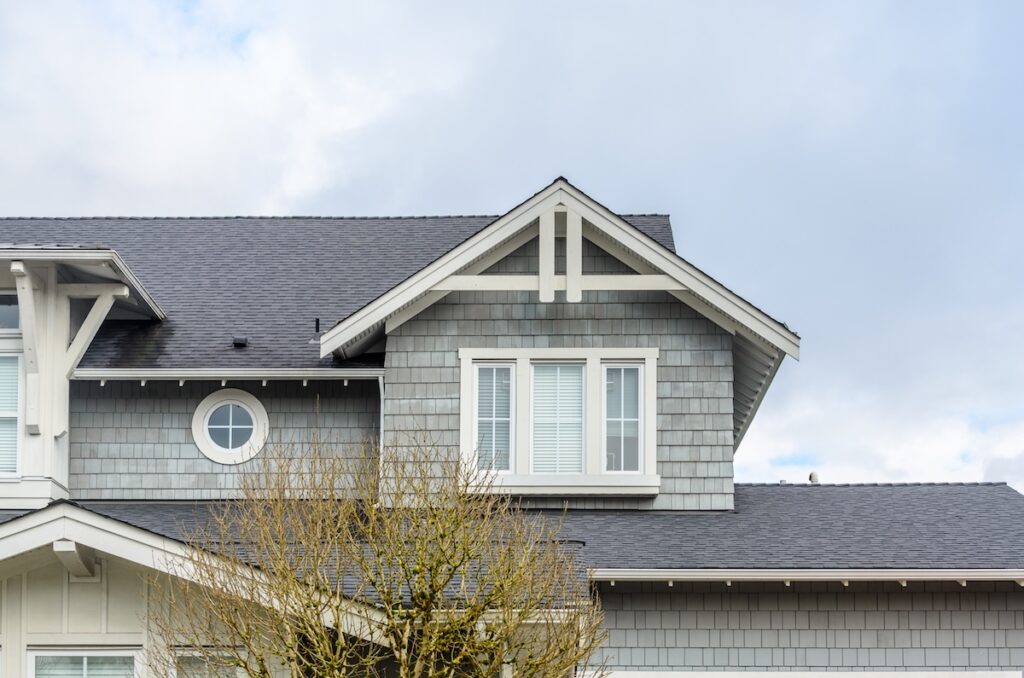
Protect Your Home with Confidence
Understanding your roof lifespan is crucial for safeguarding your home, managing finances, and maintaining property value. By recognizing the factors that affect durability and following recommended maintenance steps, you can maximize how long your roof protects you and your family. When signs indicate it is time for replacement, acting promptly prevents further damage and costly repairs.
If you are considering roof repairs or replacement, contact us today for a professional consultation tailored to your home’s needs. Being proactive about roof care today ensures peace of mind for years to come.
EXPLORE OUR RECENT ARTICLES
We’re Redefining Roofing. You In?