(434) 944-6005
Dealing With Roof Granule Loss? (4 Top Causes + Ways to Prevent It)
 12.26.25
 6 minutes read

When it comes to maintaining a durable and long-lasting roof, understanding roof granule loss is essential. Granules are tiny mineral particles embedded in asphalt shingles, playing a critical role in protecting your roof from UV rays, weather damage, and physical wear. Without sufficient granules, a roof’s performance declines, leading to leaks, faster deterioration, and costly repairs. For those interested in preserving their roof’s integrity and value, learning about roof granule loss is a vital step. If you’re seeking professional help or guidance, consider exploring reliable roofing services designed to tackle common roofing issues that may benefit your home.
In this post, we will cover:
- Why roof granule loss matters for your roof’s health
- Main causes behind granule loss
- Effective steps to prevent granule loss and extend roof life
- Signs to watch for and when to get professional help
Why Roof Granule Loss Is a Serious Concern
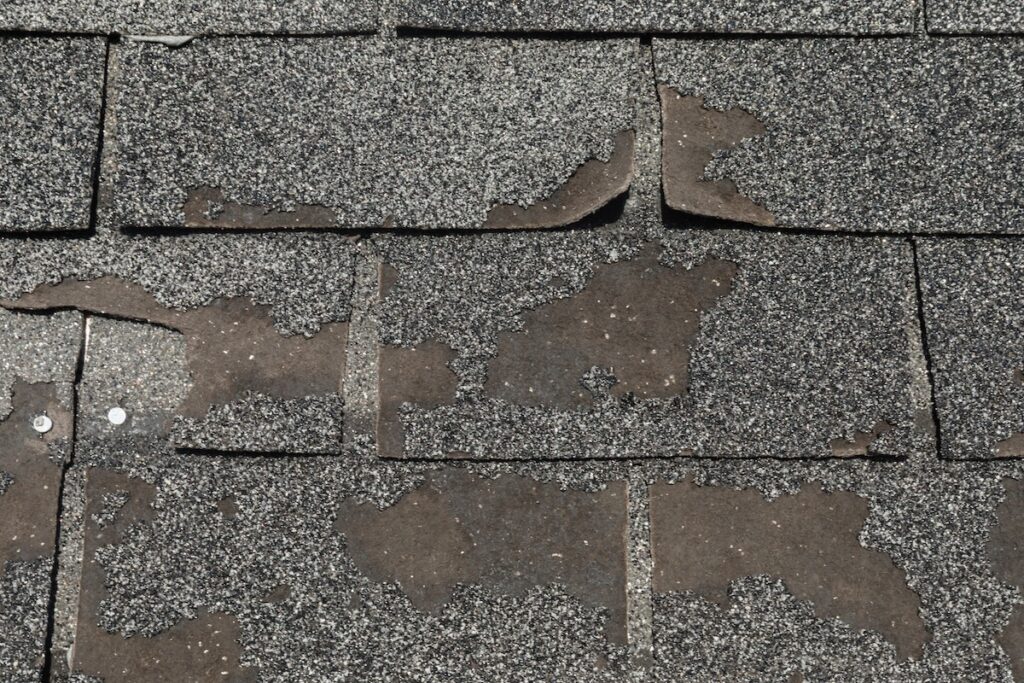
Roof granules do more than just provide color and texture to your shingles. Their loss impacts your roof’s durability and functionality in several ways. Understanding these benefits highlights why addressing granule loss should be a priority for any homeowner or property manager.
- UV Protection: Granules shield the asphalt layer from harsh ultraviolet rays, reducing chemical degradation and extending the roof’s lifespan.
- Weather Resistance: They form a protective barrier against rain, hail, and wind, minimizing moisture penetration and physical damage.
- Fire Retardance: Mineral granules contribute to the fire-resistant properties of shingles, helping protect your home from fire hazards.
- Thermal Insulation: Granules help reflect sunlight, reducing heat absorption and keeping your home cooler.
- Aesthetic Appeal: They provide color and texture that maintain your roof’s visual appeal over time.
Without these granules, shingles become vulnerable and deteriorate quickly, leading to leaks and structural damage. Staying vigilant about granule loss can help you avoid significant roof problems.
4 Top Causes of Roof Granule Loss
Understanding what causes granule loss can help you take preventative measures. Several factors contribute to the shedding of granules on your roofing shingles.
1. Weather Impact
Severe weather conditions are among the most common causes of granule loss. Heavy rain, hailstorms, strong winds, and extreme temperature fluctuations wear down shingles quickly.
- Hail Damage: Hailstones can physically knock granules off your shingles, especially if the hail size is large.
- Wind Lift: High winds may lift shingles, causing granules to dislodge and fall.
- Freeze-Thaw Cycles: Repeated freezing and thawing can create cracks, loosening granules.
2. Aging Shingles
All shingles lose granules as they age, but the rate accelerates past the warranty period or in harsh environments.
- Natural Wear: Exposure to sun and elements slowly degrade the bonding materials holding granules.
- Shortened Lifespan: Older roofs lose granules faster and may need replacement before failure occurs.
3. Poor Installation
Improperly installed roofing systems create weak points that cause premature granule loss.
- Incorrect Nailing: Nails placed too high or too low can compromise shingle integrity.
- Insufficient Overlap: Poor alignment leads to granule shedding due to increased exposure.
4. Impact from Debris and Foot Traffic
Branches, leaves, and even foot traffic during maintenance can wear down granules.
- Tree Branches: Falling limbs can scrape or puncture shingles, dislodging granules.
- Walking on Roof: Routine inspections or repairs need care to avoid unnecessary damage.
Strategies to Prevent Roof Granule Loss
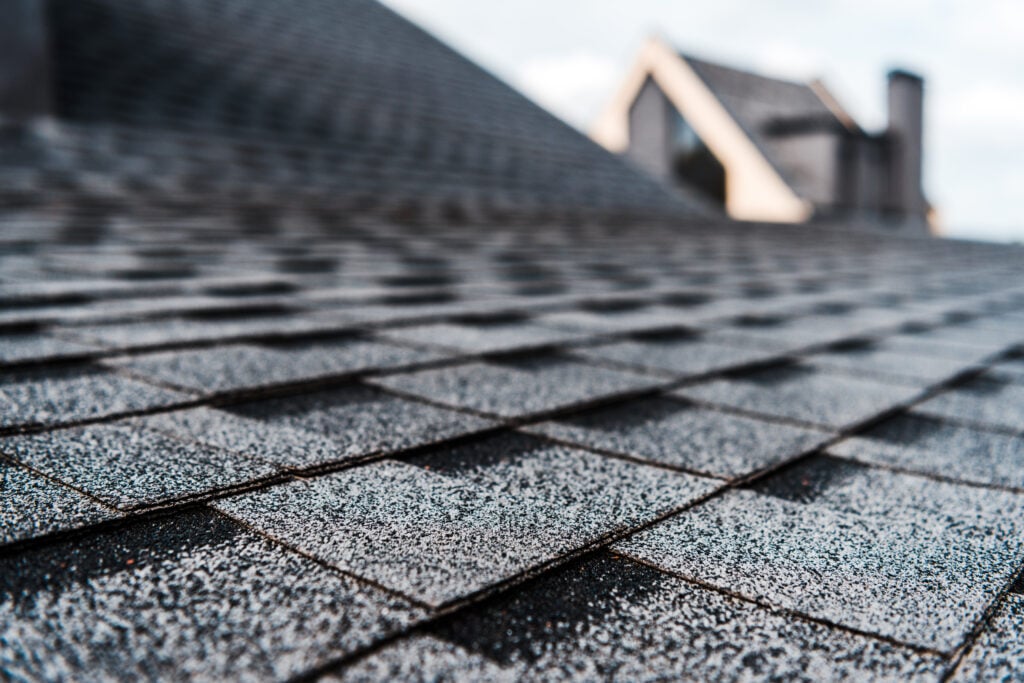
While some granule loss is inevitable with time, several measures can reduce its severity and prolong your roof’s life.
- Regular Maintenance: Schedule professional roof inspections and cleanings to remove damaging debris and catch early signs of wear.
- Trim Surrounding Trees: Keeping branches away prevents physical abrasion and falling limbs from damaging your roof surface.
- Address Repairs Promptly: Fix minor shingle damage before granule loss escalates and leads to leaks.
- Choose Quality Materials: High-grade shingles with strong granule adhesion resist wear better than budget alternatives.
- Proper Installation: Hiring experienced roofing professionals ensures correct placement and fastening to maximize granule retention.
Signs of Granule Loss and When to Call a Professional
Identifying granule loss early can save you from expensive repairs and leaks. Watch out for these typical indicators that may mean it is time to consult a roofing expert.
Visible Granule Buildup in Gutters
Granules often accumulate at the base of your gutters after storms or heavy rain. A noticeable granule buildup is a red flag indicating active shedding.
Bald Spots on Shingles
Shingles develop bald areas where granules have worn off, exposing the black asphalt beneath. These spots are vulnerable to UV damage and moisture infiltration.
Roof Leaks and Stains
Water stains on ceilings or inside walls may result from granule loss that has compromised the waterproofing layer.
Granule Loss After a Storm
If you notice excessive granule loss following severe weather, it is essential to have a professional evaluation to determine the extent of damage.
Comparing Roof Granule Loss Prevention Methods
| Method | Benefit | Best For |
| Regular Inspections | Early damage detection and maintenance | Homeowners seeking proactive roof care |
| Tree Trimming | Protection from physical damage | Properties surrounded by mature trees |
| High-Quality Shingles | Enhanced durability and granule retention | New installations and roof replacements |
| Proper Installation | Maximized granule adhesion and long-term performance | New construction or re-roofing projects |
Understanding the Impact of Roof Granule Loss in Residential Areas
In neighborhoods where homes face similar weather patterns and environmental exposure, granule loss can become a community-wide concern. Homeowners in places like Houston and the surrounding areas often experience specific challenges related to intense sun exposure and storms. Addressing granule loss efficiently helps preserve home values and maintain aesthetic harmony across properties.
Community Benefits of Managing Granule Loss
- Improved Neighborhood Appearance: Well-maintained roofs contribute to curb appeal.
- Insurance Advantages: Properly maintained roofs reduce claims related to storm damage.
- Long-Term Savings: Avoid costly repairs by preventing severe roof deterioration.
How Local Roofing Experts Support Homeowners
Reliable roofing professionals provide knowledge about local climate challenges and recommend the best materials and solutions suited to the area. Their expertise ensures that roofs withstand environmental stressors while minimizing granule loss.
Final Thoughts and Next Steps For Granule Loss
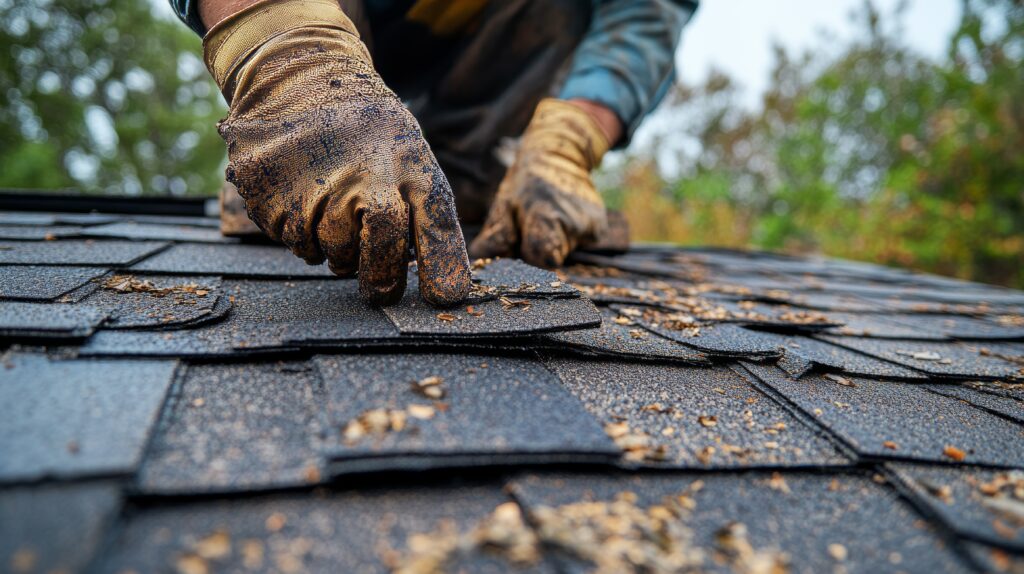
Roof granule loss is more than a cosmetic issue. Its effects reach deep into your roof’s performance, durability, and your home’s overall protection. By understanding the causes and prevention methods for granule loss, you can take proactive steps to maintain a sturdy and attractive roof for years to come. If you suspect your roof is experiencing excessive granule loss or you want an expert assessment, don’t hesitate to contact us today for a comprehensive inspection and tailored roofing solutions.
EXPLORE OUR RECENT ARTICLES
We’re Redefining Roofing. You In?