(434) 944-6005
5 Signs Your Old Roof Needs Replacement (2026 Easy Tips)
 12.24.25
 5 minutes read

Maintaining a home requires constant attention to various elements, and one of the most critical yet often overlooked components is the roof. A well-maintained roof protects your home from weather damage and preserves its structural integrity. Recognizing when your old roof needs replacement can save you from costly repairs and ensure the safety of your dwelling.
- Learn key warning signs indicating your roof needs replacement.
- Understand the risks of delaying roof maintenance and replacement.
- Discover step-by-step evaluation tips to assess roof condition.
- Identify preventative measures to extend your roof’s lifespan.
- Explore options for hiring professional roofing services.
Why Replacing an Old Roof Is Crucial for Your Home
Your roof is the first line of defense against natural elements, and its deterioration directly impacts your home’s safety and value. Knowing why it is essential to replace an old roof can help homeowners make informed decisions in a timely manner.
- Protection Assurance: A new roof provides reliable shelter against rain, snow, wind, and extreme temperatures.
- Energy Efficiency: Updated roofing materials improve insulation, reducing heating and cooling costs.
- Property Value: A recently replaced roof enhances curb appeal and boosts resale potential.
- Damage Prevention: Early replacement avoids structural damage from leaks and rot.
- Safety: Prevents accidents related to roof collapse or falling debris due to deterioration.
Delaying roof replacement can lead to escalating repair issues and increased expenses. Being proactive safeguards your investment and ensures peace of mind.
5 Key Signs Your Old Roof Needs Replacement
Recognizing when your roof has served its lifespan is essential for preventing more severe problems. Here are five straightforward indications signaling it may be time for a replacement.
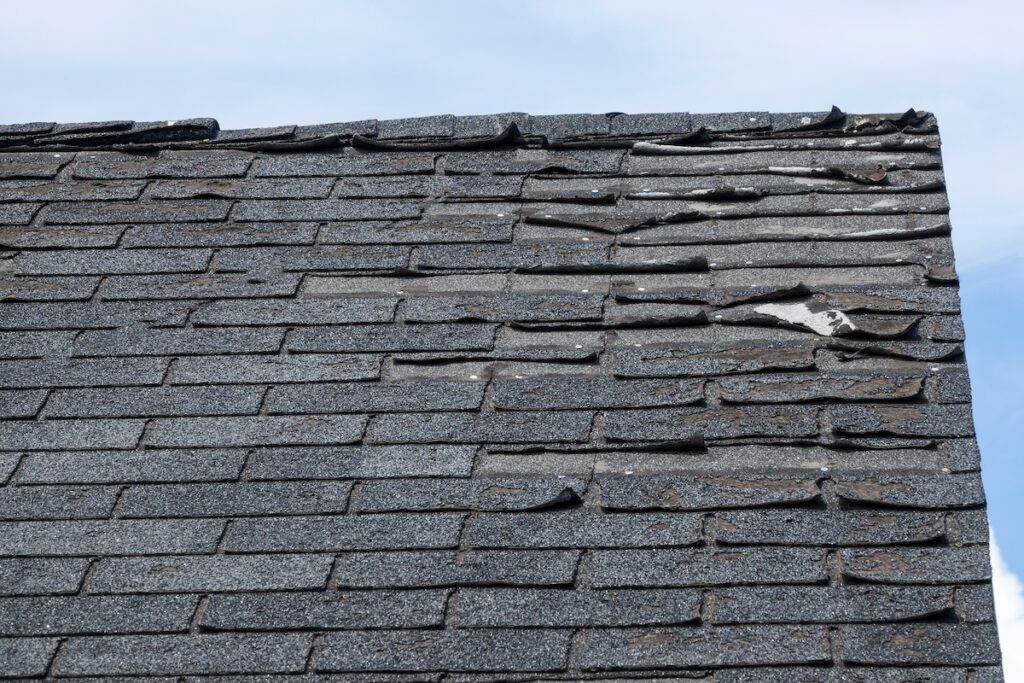
1. Noticeable shingle damage or loss
When shingles start curling, cracking, or falling off, it’s a major sign your roof is reaching the end of its useful life.
- Shingles missing granules or visibly deteriorating indicate aging.
- Curling edges occur from exposure to prolonged heat and moisture.
- Large patches of missing shingles expose the roof to harmful elements.
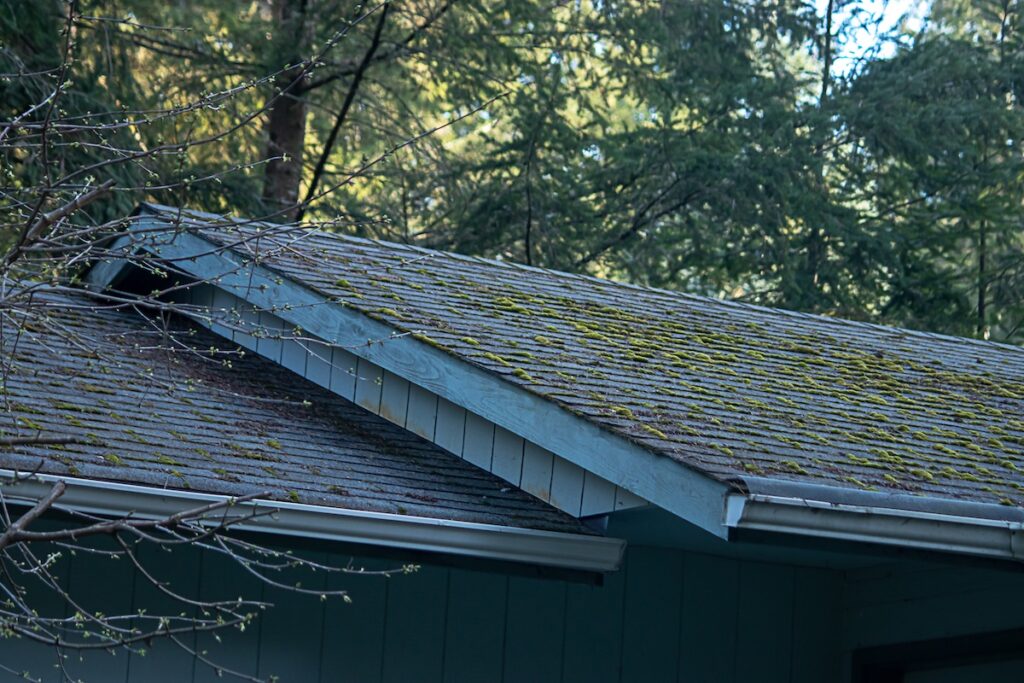
2. Mold, moss, or algae growth
The presence of mold or moss suggests excessive moisture retention, which can accelerate roofing material decay and cause leaks.
- Growth tends to appear in shaded or less ventilated areas of the roof.
- Algae stains, while mostly cosmetic, can trap moisture and damage shingles over time.
3. Water stains and roof leaks inside the home
Indoor leaks or dark water stains on ceilings are clear warning signs that the roof is no longer adequately sealing your home.
- Leaks increase structural risks and encourage mold development inside walls.
- Focus on attics and upper walls to identify early water penetration.
4. Excessive roof age
Most roofing materials have a limited lifespan, with asphalt shingles averaging 20–25 years. Roofs older than this need closer inspection or replacement.
- Age-related wear lowers the roof’s resilience to storms and extreme weather.
- Older roofs may not meet modern energy efficiency and safety standards.
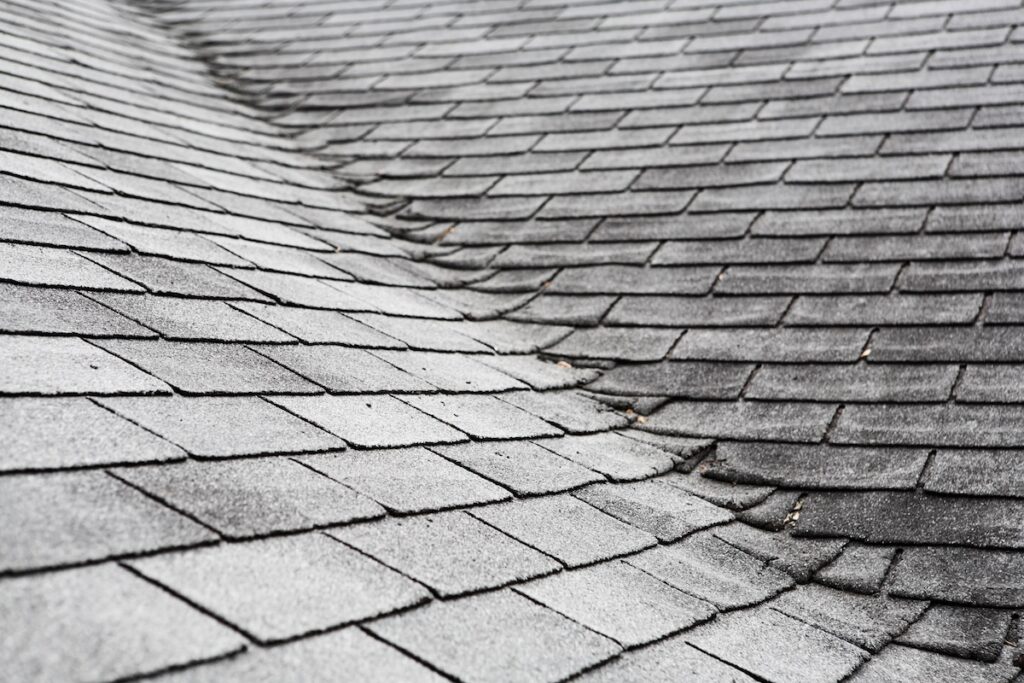
5. Sagging or uneven roof deck
A sagging roof indicates underlying structural problems often caused by water damage or weakening support beams.
- Visible sagging requires immediate professional evaluation to prevent collapse.
- Uneven roof surfaces can lead to water pooling and further material degradation.
Tips to Extend the Lifespan of Your Old Roof
While replacement might be inevitable, certain maintenance practices can prolong a roof’s functionality and protect your home investment longer.
- Regular inspections: Schedule biannual roof checks to identify minor issues before they worsen.
- Debris removal: Clear leaves, branches, and moss to prevent moisture accumulation and damage.
- Gutter maintenance: Ensure gutters are clean and functioning, allowing proper water drainage.
- Prompt repairs: Address damaged shingles and leaks immediately to limit structural impact.
- Adequate ventilation: Proper attic airflow reduces heat buildup, extending shingle life.
Implementing these measures can delay costly roof replacement and maintain your home’s safety for years to come.
Comparing Repair vs Replacement Costs: What You Should Know
When assessing an old roof, many homeowners debate whether repairs or full replacement is the better route. Understanding cost considerations and long-term benefits is key for making the right choice.
| Aspect | Repair | Replacement |
| Initial Cost | Lower upfront expense for minor issues | Higher upfront cost, but full restoration of roof integrity |
| Longevity | Short-term fix, often requiring repeated interventions | Long-term solution, typically lasting 20+ years |
| Effectiveness | Limited to specific damaged areas | Addresses entirety of roofing system |
| Home Value Impact | Limited improvement | Significantly boosts property value and appeal |
| Energy Efficiency | No significant change | Improves insulation and reduces bills |
Generally, if roof damage is widespread or the roof is nearing the end of its lifespan, replacement is the more economical and effective option.
Taking the Next Step for Your Old Roof
Your home deserves the best protection, and recognizing the signs that your old roof needs replacement is crucial. Acting promptly can avoid minor problems turning into major repairs or safety hazards. For those needing expert assessment or professional roofing services, contact us today to schedule a consultation and explore tailored solutions designed to keep your home secure and efficient.
EXPLORE OUR RECENT ARTICLES
We’re Redefining Roofing. You In?