(434) 944-6005
New Roof Estimate (2026 Cost Guide + Pro Tips to Save Money)
 12.19.25
 6 minutes read

When planning for a roofing project, obtaining a new roof estimate is a crucial first step that helps set clear expectations and budget guidelines. Whether you are dealing with storm damage, aging shingles, or simply upgrading your home, understanding the factors that influence roofing costs can save time, money, and unnecessary stress. For homeowners looking to dive deeper into roof replacement options, exploring a reliable general roofing service can provide comprehensive insights tailored to your specific needs.
- Learn why getting an accurate new roof estimate matters
- Discover the main components affecting roofing costs in 2026
- Find out the step-by-step process to obtain and evaluate roof estimates
- Explore professional tips to reduce costs without compromising quality
- Understand how to choose the right contractor based on your estimate
Why Accurate New Roof Estimates Are Essential
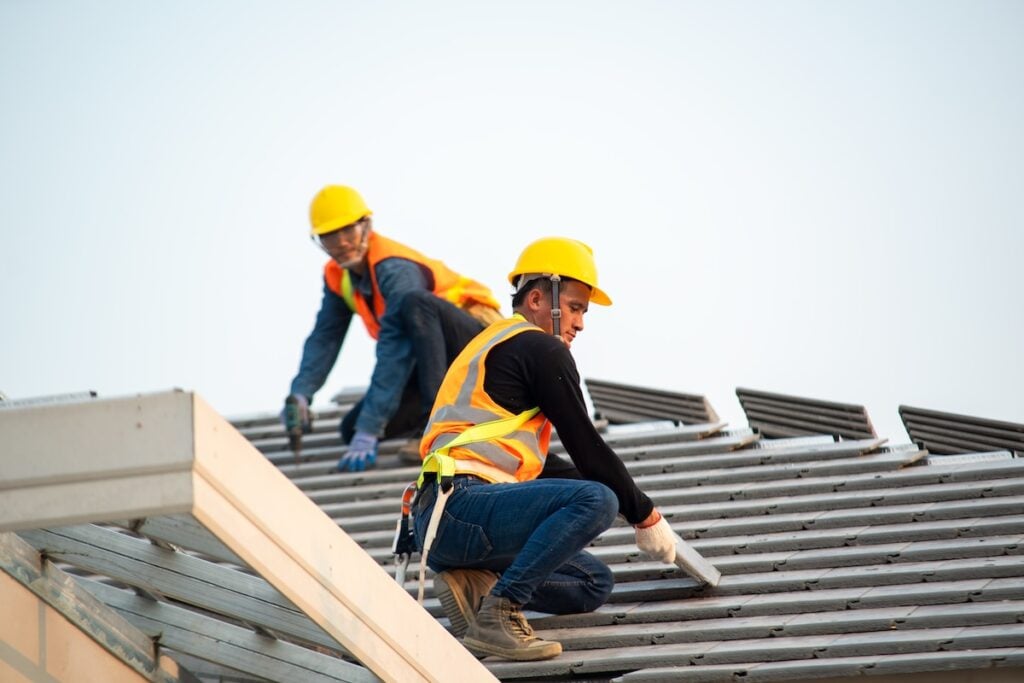
Securing a precise new roof estimate is fundamental in helping homeowners and businesses plan effectively. Knowing the true cost upfront minimises surprises and aids in decision-making. Additionally, a detailed estimate can act as a roadmap, setting expectations on project scope and timing.
Several key benefits make obtaining a thorough new roof estimate important:
- Budget Control: Helps you plan your financial resources without overspending or underestimating the needs.
- Project Transparency: Breaks down costs by materials, labor, permits, and contingencies, giving complete clarity.
- Better Contractor Comparison: Enables you to compare multiple bids on an equal footing to select the best service provider.
- Long-Term Planning: Clarifies warranties and maintenance considerations impacting future expenses.
- Stress Reduction: Knowing costs ahead of time removes uncertainties and builds confidence in the project’s success.
6 Main Factors Affecting Your New Roof Estimate in 2026
Understanding what influences the cost of a new roof is essential before requesting an estimate. These factors vary by region, project complexity, and material choice. Familiarity with these aspects empowers you to make informed decisions and negotiate effectively.
1. Roof Size and Pitch
The overall square footage of your roof and its slope directly impact material use and labor difficulty. Larger and steeper roofs require more materials and effort, increasing the cost.
- Square footage is usually measured in “squares,” with one square equaling 100 square feet.
- Steep pitches need special safety equipment and more time, raising labor costs.
2. Material Selection
Roofing materials vary widely from asphalt shingles to metal, slate, or tile. Each type has distinct pricing along with different expected lifespans and maintenance needs.
- Asphalt shingles are the most budget-friendly option but may have a shorter lifespan.
- Metal roofs and slate options are durable and often more energy-efficient but come with higher upfront costs.
3. Labor and Installation Complexity
Labor pricing can fluctuate depending on the contractor’s location and the complexity of installation.
- Challenging designs such as multiple dormers, valleys, or skylights add to installation time.
- Local labor rates and availability of skilled roofers affect pricing.
4. Tear-Off and Disposal Fees
If you are replacing an existing roof, the old materials need to be removed and disposed of appropriately.
- Tear-off costs include labor and hauling fees.
- Some regions have disposal regulations that might influence fees.
5. Permits and Inspection Costs
Local building codes often require permits and post-installation inspections, which add to the final cost.
- Permitting fees vary widely by municipality.
- Some contractors include permit handling in their estimates.
How to Get the Best New Roof Estimate: Step-by-Step Guide
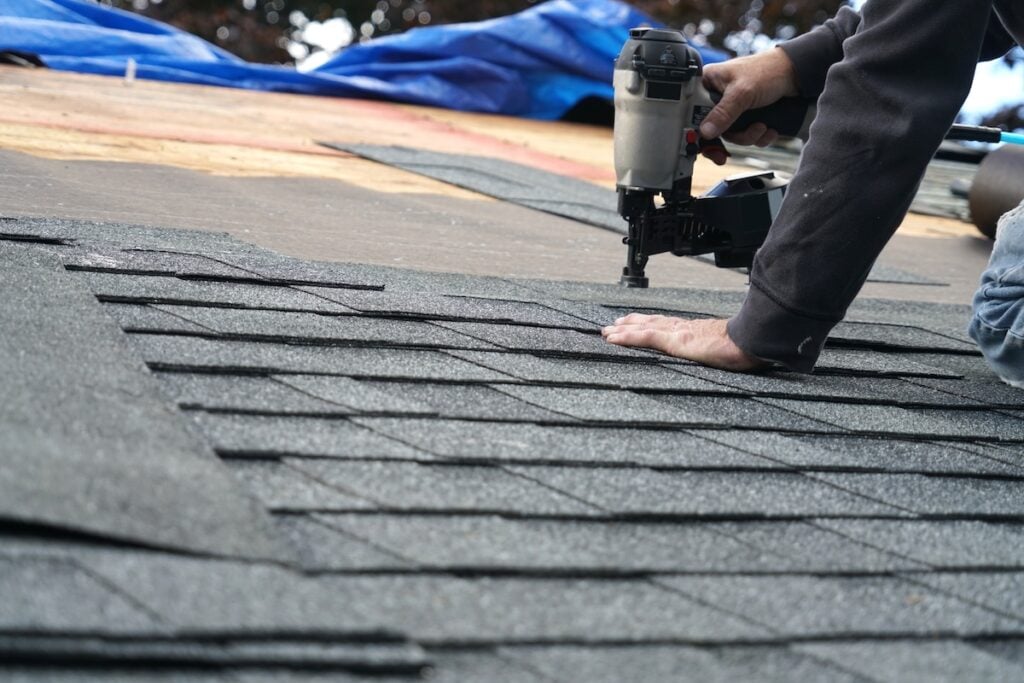
Obtaining a reliable roof estimate means approaching the process thoughtfully and methodically. Here’s a straightforward guideline to ensure you get accurate and competitive quotes.
Step 1: Conduct an Initial Roof Inspection
Before requesting a quote, conduct a basic assessment of your roof’s condition. Note any visible damages, age, and unique features that may affect the work scope.
Step 2: Gather Multiple Quotes
Contact at least three reputable roofing contractors to request detailed estimates. Ensure each proposal includes a breakdown of costs, timeline, and warranty information.
Step 3: Ask Questions for Clarification
Clarify any ambiguous details in the estimates such as material brands, labor inclusions, or contingency provisions.
Step 4: Compare Proposals Side-by-Side
Create a comparison table to review pricing, services included, and any added value such as free inspections or maintenance plans.
Step 5: Verify Contractor Credentials
Check each contractor’s licensing, insurance coverage, and customer reviews to confirm reliability.
Pro Tips to Save Money on Your New Roof Estimate
While investing in a new roof is a significant expense, there are strategic ways to reduce costs without sacrificing quality or longevity.
Choose Materials Wisely
Opt for materials that balance durability and price. Certain newer composite shingles provide excellent warranties at competitive prices.
Schedule the Project During Off-Peak Seasons
Roofing contractors often offer discounts when business is slower, such as late fall or early spring.
Bundle Repairs With Replacement
Addressing structural issues alongside the roof installation can prevent costly rework later, saving on combined labor fees.
Do Some Prep Work Yourself
Clearing the area around your home or removing personal items from your attic might reduce labor time.
Utilize Financing Options
Many contractors offer financing plans that spread the cost over time, easing the immediate financial burden.
Evaluating Contractors Beyond the Estimate

Choosing the right contractor is as important as obtaining an accurate estimate. The lowest price is not always the best value.
Review Warranty and Service Agreements
A strong warranty on materials and workmanship protects your investment. Make sure the coverage duration and conditions are clearly stated.
Assess Communication and Professionalism
Timely responses and a professional attitude during the estimating phase reflect how the contractor will manage your project.
Request References and Past Work Examples
Don’t hesitate to ask for examples of recent roof installations or customer testimonials specific to your area, such as Cleveland and surrounding areas.
Compare Contract Terms Carefully
Look for clear payment schedules, completion timelines, and penalties for delays to avoid disputes later.
| Criteria | What to Look For | Questions to Ask |
| License and Insurance | Valid licenses; workers compensation and liability insurance | Can you provide proof of insurance and licensing? |
| Experience | Years in business; familiarity with local roofing codes | How long have you been serving customers in Cleveland and surrounding areas? |
| Warranty | Length and coverage details of roof and labor warranty | What does your warranty cover and for how long? |
| References | Positive reviews and completed projects | Can you provide recent client references? |
Making the Most of Your New Roof Estimate
Securing a thorough and accurate new roof estimate is the foundation for a successful roofing project. By understanding the cost drivers, asking the right questions, and using practical money-saving strategies, you can ensure your roofing investment provides lasting value and peace of mind. If you are ready to start the process or want professional guidance tailored to your home, don’t hesitate to contact us today for expert support and a personalized consultation.
EXPLORE OUR RECENT ARTICLES
We’re Redefining Roofing. You In?