(434) 944-6005
Metal Roof Trim 2026 Guide (Installation, Measurements & Uses)
 2.25.26
 9 minutes read

A properly installed metal roof is known for durability, efficiency, and clean visual lines, but one often overlooked component plays a huge role in its performance: metal roof trim. Trim pieces seal vulnerable edges, guide water away from the roof system, and give the finished roof a polished appearance. When homeowners explore long-lasting roofing options, understanding trim components becomes just as important as choosing the panels themselves.
In this guide, you’ll learn:
- What metal roof trim is and why it’s essential for roof performance
- The different types of trim used in residential metal roofing systems
- How professionals measure and install trim correctly
- Common mistakes homeowners should avoid
- How trim contributes to long-term durability and curb appeal
Why Metal Roof Trim Is Critical to a Roofing System
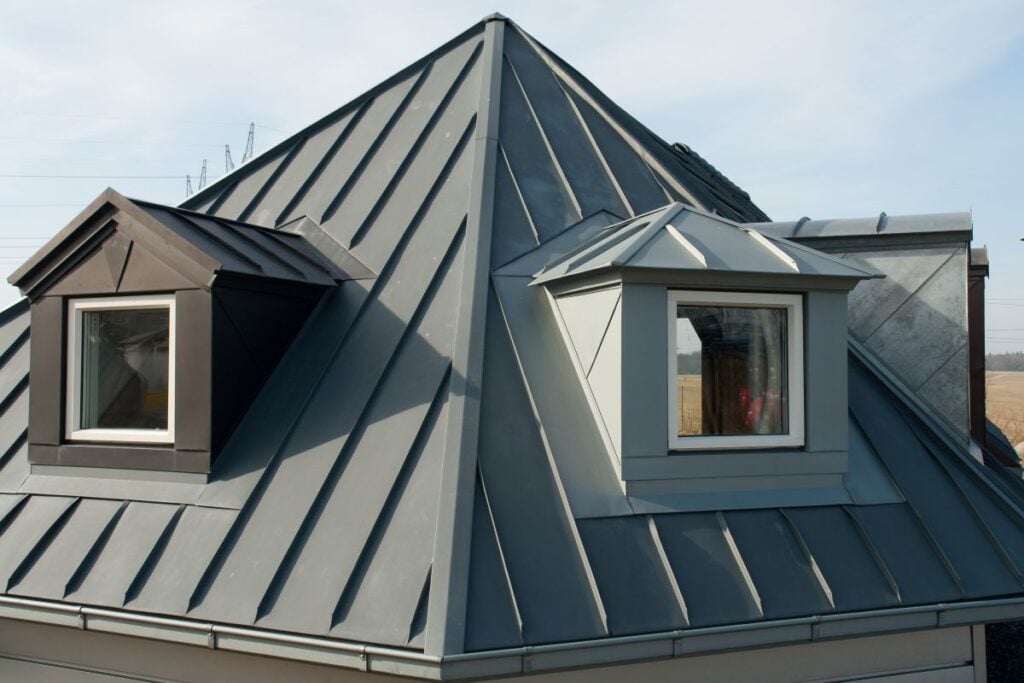
Metal panels get most of the attention in roofing discussions, but trim pieces are what ensure the system functions correctly over time. These components seal the edges, transitions, and intersections where leaks are most likely to occur.
Without proper trim, even the best metal panels cannot protect the roof deck or home interior effectively.
Here are several reasons trim matters so much in modern roofing systems:
- Weather Protection: Trim seals edges, ridges, and transitions so rain, wind, and debris cannot penetrate beneath the panels.
- Water Management: Properly designed trim directs water away from seams and toward gutters and drainage paths.
- Structural Reinforcement: Certain trim pieces stabilize panels at edges and corners, preventing movement during storms or temperature expansion.
- Aesthetic Finish: Trim gives a roof its clean, finished appearance by covering exposed edges and fasteners.
- Extended Roof Life: When trim is installed properly, it reduces moisture infiltration and helps the entire roof system last longer.
Homeowners in Rocky Mount, NC and surrounding areas often notice that well-trimmed metal roofs not only perform better but also significantly improve the home’s exterior appearance.
5 Key Types of Metal Roof Trim and How They Are Installed
Different parts of a roof require specific trim pieces to protect seams and transitions. Professional installers use several specialized trim profiles depending on the roof design and panel style.
Below are the most common types of metal roof trim and their installation roles.
1. Ridge Cap Trim
Ridge cap trim is installed along the highest point of the roof where two slopes meet.
This piece covers the ridge seam and prevents water from entering the top of the roofing system while still allowing ventilation.
Key installation considerations include:
- Ensuring closure strips are placed beneath the ridge cap
- Aligning the cap evenly along the ridge line
- Fastening it securely without restricting ventilation
A properly installed ridge cap is essential because the ridge line is one of the most vulnerable areas for water intrusion.
2. Eave Trim (Drip Edge)
Eave trim sits along the bottom edge of the roof where panels meet the gutter line. It helps water flow smoothly into gutters while protecting the roof deck edge.
Installation steps typically include:
- Securing the trim before installing metal panels
- Aligning it with the fascia board
- Ensuring overlap between trim sections for proper drainage
This trim piece prevents water from wicking backward under the panels.
3. Gable Trim (Rake Trim)
Gable trim, also called rake trim, covers the sloped edges of the roof along the gable ends.
Its primary job is to protect panel edges from wind uplift and moisture intrusion.
Important installation factors include:
- Securing the trim through panel ribs or edge flanges
- Overlapping sections correctly for weather resistance
- Aligning trim lines for a consistent roof edge appearance
When installed properly, gable trim strengthens the roof’s perimeter against strong winds.
4. Valley Trim
Valley trim is used where two roof slopes meet at an inward angle. Valleys collect and channel large volumes of rainwater, which makes proper trim installation extremely important.
Professional installers focus on:
- Installing underlayment beneath the valley
- Placing valley trim before panels are installed
- Ensuring sufficient overlap between valley sections
Incorrect valley trim installation is one of the most common causes of roof leaks.
5. Transition and Endwall Trim
Transition trim connects roof sections with different slopes or heights. Endwall trim seals the joint where a roof meets a vertical wall.
These trims prevent water from entering where roof panels meet siding, chimneys, or dormers.
Proper installation usually includes:
- Using sealant or closure strips where panels meet the trim
- Securing flashing beneath siding when necessary
- Allowing room for panel expansion
Homes in Rocky Mount, NC and surrounding areas often rely heavily on these trims because varying roof designs require careful sealing at wall intersections.
How Professionals Measure Metal Roof Trim Correctly

Accurate measurements are essential for successful trim installation. If trim pieces are too short, improperly overlapped, or poorly aligned, the entire roof system becomes vulnerable to leaks and structural stress.
Professional roofing contractors follow a detailed measurement process to ensure every trim piece fits properly.
Measure Roof Edges and Transitions
The first step involves measuring all roof edges where trim will be installed.
These include:
- Eaves
- Rakes or gable edges
- Ridge lines
- Valleys
- Wall transitions
Installers measure the full length of each section and add extra allowance for overlapping trim pieces.
Account for Trim Overlap
Metal roof trim typically overlaps by two to six inches depending on the manufacturer and trim type.
This overlap ensures water cannot enter between trim sections.
Contractors factor overlap into measurements so the final trim length matches the roof dimensions correctly.
Consider Panel Profile Compatibility
Metal panels come in different profiles, including standing seam, corrugated, and ribbed panels.
Trim must match the panel shape to seal properly.
Professionals ensure that:
- Ridge caps align with panel ribs
- Closure strips fit panel contours
- Edge trims accommodate panel height
Using incompatible trim can create gaps that allow water infiltration.
Plan for Expansion and Contraction
Metal expands and contracts with temperature changes.
Roof installers plan trim installation carefully so the roof system can move slightly without loosening fasteners or damaging seams.
This may include:
- Using slotted fastener holes
- Allowing minimal spacing in trim joints
- Following manufacturer expansion guidelines
Homes throughout Rocky Mount, NC and surrounding areas experience seasonal temperature changes that make proper expansion allowances especially important.
Common Metal Roof Trim Mistakes Homeowners Should Avoid
Many roofing problems occur not because of the panels themselves but because trim components were installed incorrectly or overlooked during the installation process.
Understanding these mistakes can help homeowners ask better questions when planning a roofing project.
Improper Overlap Between Trim Pieces
Trim sections must overlap enough to create a watertight barrier.
When overlap is too small, rainwater can seep into the joint and reach the roof deck.
Professionals typically follow manufacturer recommendations to maintain proper overlap length.
Missing Closure Strips
Closure strips fill the gaps between metal panel ribs and trim pieces.
Without them, wind-driven rain, insects, and debris can enter beneath the trim.
These strips are especially important beneath ridge caps and endwall trims.
Using Incorrect Fasteners
Fasteners must match the roofing material and be installed in the correct locations.
Common issues include:
- Over-tightening fasteners
- Using fasteners without rubber washers
- Placing screws in areas prone to water pooling
Improper fasteners can lead to leaks and panel movement over time.
Poor Alignment of Trim Edges
Even small alignment errors can affect both performance and aesthetics.
Trim should follow straight lines along ridges, eaves, and gable edges. Professional installers often snap chalk lines to maintain consistent placement.
Skipping Sealant Where Needed
Some trim locations require sealant or butyl tape to prevent moisture penetration.
Areas that often require sealing include:
- Endwall trim
- Transition flashing
- Valley trim seams
Skipping sealant can lead to leaks that may not appear until months after installation.
These mistakes highlight why professional installation is critical when installing metal roofing systems.
Choosing the Right Metal Roof Trim for Your Home
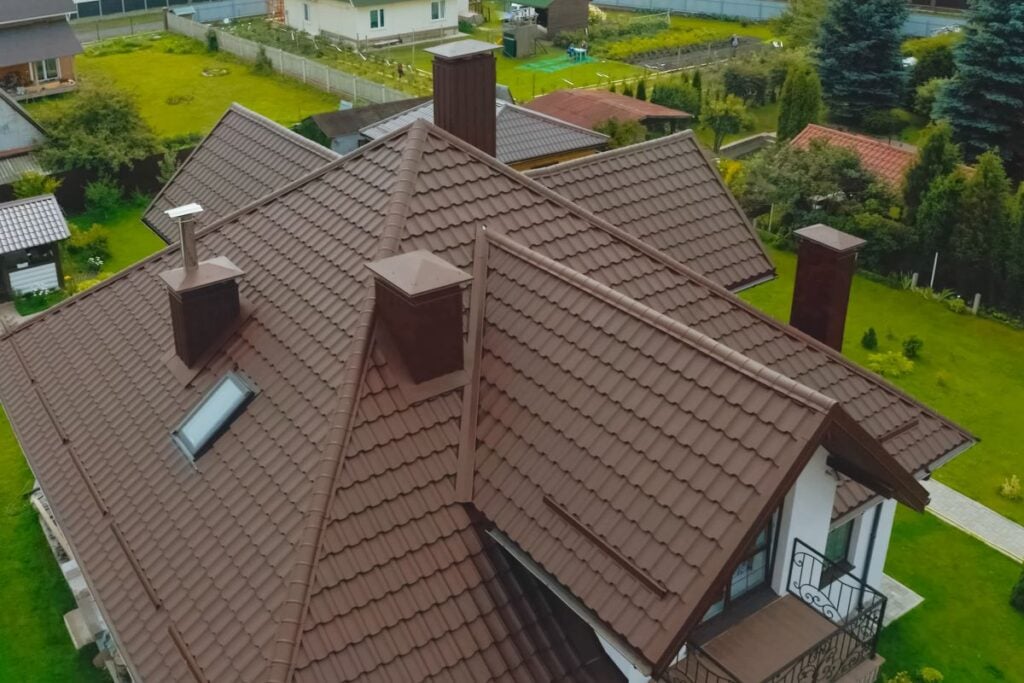
Not all trim pieces are identical. Different roofing styles, materials, and architectural designs require specific trim profiles and finishes.
Homeowners should consider several factors when selecting trim components for their roof.
Matching Trim Material to Roofing Panels
Metal roof trim is usually manufactured from the same material as the roofing panels.
Common options include:
- Galvanized steel
- Aluminum
- Copper
- Galvalume steel
Using matching materials ensures consistent expansion rates and prevents corrosion caused by mixed metals.
Color Coordination
Trim plays a large role in the visual appearance of the roof.
Homeowners often choose between:
- Trim that matches the panel color
- Contrasting trim for architectural accent
- Neutral tones that complement siding or gutters
Matching trim colors can create a seamless roof appearance, while contrast trim highlights architectural lines.
Custom Trim for Complex Roof Designs
Homes with dormers, skylights, chimneys, or multi-level roofs often require custom trim pieces.
Custom fabrication allows contractors to create trim profiles that fit unusual angles or transitions.
Professional roofing companies frequently fabricate trim on-site or order it pre-formed from manufacturers.
Compatibility with Standing Seam vs Exposed Fastener Systems
Different metal roofing systems require different trim designs.
Standing seam systems typically use concealed fasteners and specialized ridge caps, while exposed fastener panels rely on screws that penetrate the trim and panel surface.
Contractors ensure trim components match the chosen panel system.
Climate Considerations
Weather conditions also influence trim selection.
For example:
- Areas with heavy rain require deeper valley trim
- High-wind regions benefit from reinforced edge trim
- Coastal areas may require corrosion-resistant materials
In Rocky Mount, NC and surrounding areas, proper trim selection helps roofs withstand storms, humidity, and seasonal weather shifts.
Protecting Your Roof Investment with Professional Installation
Metal roofing systems are designed to last decades, but their performance depends heavily on proper installation techniques. Trim pieces play a critical role in sealing roof edges, directing water flow, and reinforcing structural transitions.
When installed correctly, metal roof trim prevents leaks, improves durability, and gives the entire roof a polished appearance. When installed incorrectly, it can lead to premature wear and costly repairs.
Working with experienced professionals ensures that every trim component is measured accurately, aligned correctly, and installed according to manufacturer specifications.
If you’re planning a metal roofing project or want to ensure your existing system is performing properly, the team at Kenneth Daniel Roofing is ready to help homeowners in Rocky Mount, NC and surrounding areas. For expert guidance and reliable roofing solutions, contact us today to schedule a consultation and learn how a professionally installed metal roofing system can protect your home for decades.
EXPLORE OUR RECENT ARTICLES

We’re Redefining Roofing. You In?