(434) 944-6005
2026 Metal Roof Inspection Guide ( Key Checks for Homeowners)
 12.10.25
 6 minutes read

Maintaining the integrity of your home starts with a reliable roofing system. A metal roof inspection is essential in ensuring your metal roof continues to protect your house from the elements and remains in optimal condition over time. Whether you are considering a routine check or troubleshooting potential issues, understanding how to inspect a metal roof can save you significant time and money in the long run. For those interested in professional support, exploring services dedicated to metal roofing maintenance can be a great resource for peace of mind.
- Discover why metal roof inspections are crucial for long-term durability.
- Learn the key areas to examine during a metal roof inspection.
- Understand step-by-step procedures for a thorough roof evaluation.
- Explore common issues and how to address them effectively.
- Get tips on hiring professionals and scheduling regular inspections.
Why Metal Roof Inspections Matter
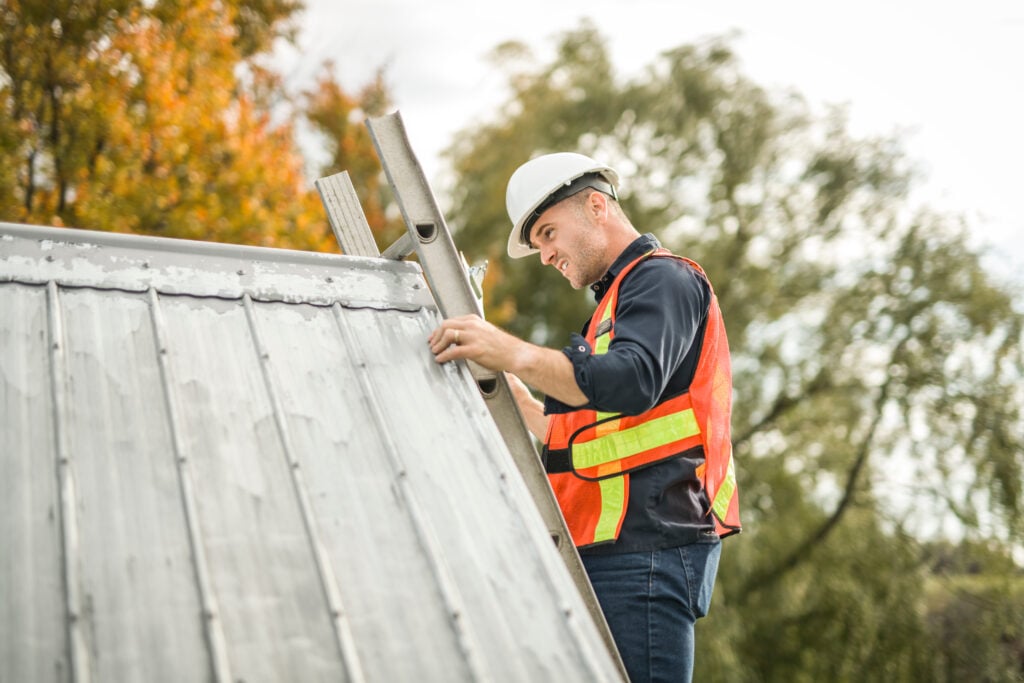
A metal roof is a durable and energy-efficient choice, but it still requires regular inspections to maintain its protective qualities and appearance. Understanding the importance of these inspections can help homeowners extend the lifespan of their roofs and avoid costly repairs.
- Enhanced Longevity: Routine inspections can detect early signs of wear or damage, allowing for prompt repairs that extend the roof’s life.
- Weather Resistance: Ensuring metal panels and seals are intact helps prevent leaks and damage caused by wind, rain, or snow.
- Cost Efficiency: Early detection of issues prevents minor problems from evolving into expensive fixes.
- Energy Savings: Maintaining the roof’s reflective coatings preserves its ability to regulate temperature and reduce energy bills.
- Safety Assurance: Regular checks confirm that the roof remains structurally sound, protecting your home and family.
5 Step Guide Inspecting Your Metal Roof
Conducting a thorough metal roof inspection involves several critical steps. Homeowners who follow a structured approach can better identify areas of concern and take timely action.
1. Visual Exterior Examination
Start with a detailed overview of your roof’s surface. Look for visible signs of damage, including:
- Corrosion or rust spots on metal panels
- Scratches or dents caused by debris or hail
- Loose or missing fasteners
- Discoloration or fading paint
Use binoculars from the ground or safely access the roof for a closer look. Document any irregularities for follow-up.
2. Check Seams and Joints
Seams and joints are vulnerable points where water can penetrate. Ensure that these connections are secure and show:
- No visible gaps or separations in panels
- Properly sealed with no cracked or deteriorated sealant
- Metal overlaps are correctly aligned
3. Inspect Flashing and Edge Components
Flashing protects areas where the roof meets vertical surfaces or penetrations such as chimneys and vents. Key checks include:
- Intact and well-secured flashing without rust or bends
- No signs of water stains or damage on adjacent structures
- Verification that edge trims are firmly attached and undamaged
4. Evaluate Roof Fasteners
Fasteners keep metal panels anchored securely. Over time, they may loosen or wear out. Look for the following:
- Missing or loose screws and nails
- Rust or corrosion on fastener heads
- Worn rubber washers which may lead to leaks
5. Inspect Gutters and Downspouts
Proper drainage is essential for roof health. A clogged or damaged drainage system can cause water buildup and deterioration. Check that:
- Gutters are free from debris
- Downspouts direct water away from the foundation
- No rust or leaks are present in drainage components
Common Metal Roof Issues Homeowners Should Know
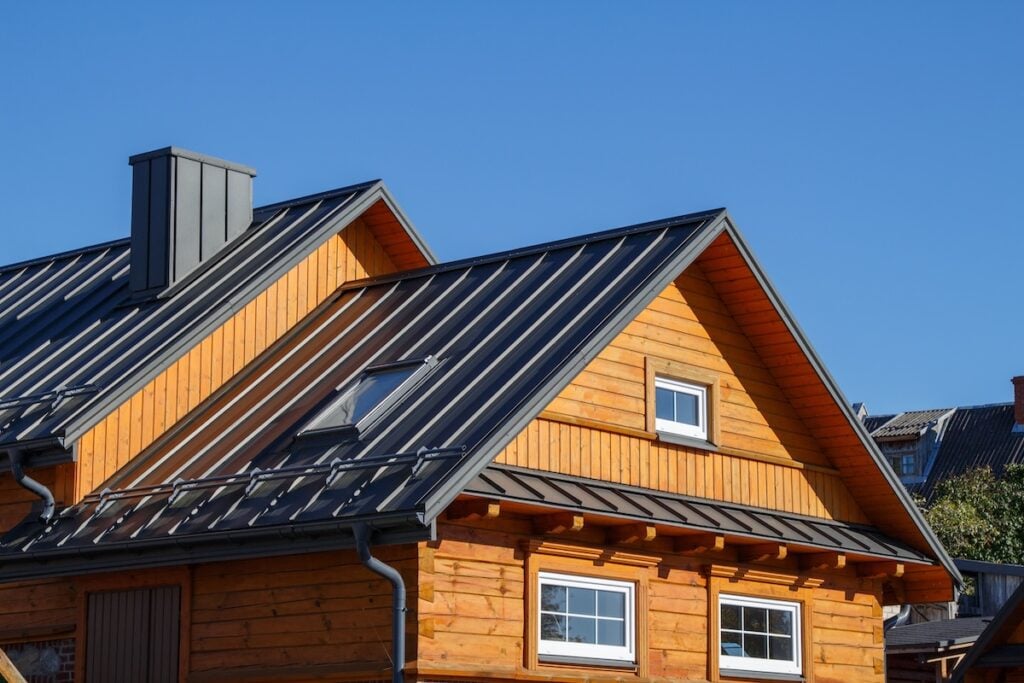
Being familiar with typical problems can help homeowners respond quickly and reduce damage. Here are some of the main concerns encountered during inspections:
- Rust and Corrosion: Prolonged exposure to moisture may cause rust, especially in older roofs or damaged sections.
- Panel Displacement: High winds or structural movement can shift panels, allowing water intrusion.
- Sealant Deterioration: Over time, sealants can crack and reduce effectiveness at protecting seams and joints.
- Fastener Wear: Loose or rusted fasteners compromise the roof’s stability and weather resistance.
- Surface Damage: Dents, scratches, and paint fading can impact the roof’s aesthetic and protective capabilities.
Enhancing Your Metal Roof Inspection: Tips and Tools
To conduct an effective inspection, using the right tools and following best practices ensures accuracy and safety. Here are useful recommendations to keep in mind:
Proper Safety Measures
- Use secure ladders: Ensure ladders are stable and properly placed against the building.
- Wear non-slip footwear: This reduces the risk of slipping on metal surfaces.
- Inspect during dry conditions: Avoid inspections during rain or snow for safety and clarity.
Helpful Tools to Have
- Binoculars: For detailed inspection from the ground.
- Camera or smartphone: Document damages and send images to professionals if needed.
- Flashlight: Useful for checking under vents, soffits, and seams.
- Sealant and screwdriver: For minor repairs during the inspection.
When to Schedule Professional Inspections
While homeowners can perform basic checks, professional roofers provide a comprehensive evaluation, especially when issues are present or after severe weather. Schedule inspections:
- Every 2 to 3 years for routine maintenance
- After storms, especially with hail or heavy winds
- When planning to sell or buy a home with metal roofing
Comparing DIY and Professional Metal Roof Inspections
Understanding the strengths and limitations of each approach can help you decide the best path for your needs and roof condition.
| Aspect | DIY Inspection | Professional Inspection |
| Cost | Low or no cost | Higher upfront cost |
| Expertise | Basic knowledge, risk of overlooking issues | Extensive experience and specialized tools |
| Safety | Potential personal risk, especially climbing | Trained for safe roof access and inspection |
| Detail Level | Surface-level checks | Comprehensive assessment with diagnostics |
| Repair Capability | Limited to minor fixes | Ability to recommend and perform repairs |
This comparison can help homeowners in Tampa and surrounding areas decide how to maintain their metal roofs effectively and safely.
Ensuring Ongoing Roof Health: Scheduling Future Inspections
Regular roof care depends on timely inspections and maintenance. Setting a schedule based on your roof’s age, location, and weather exposure will prolong its service life.
- Annual Visual Checks: Simple visual inspections to catch surface damage or wear.
- Professional Inspections Every 2-3 Years: In-depth evaluations identifying hidden issues.
- Post-Event Inspections: Immediately after severe weather events, such as storms or heavy snowfall.
By keeping a consistent inspection routine, you mitigate risks and ensure your metal roof remains in excellent condition for decades.
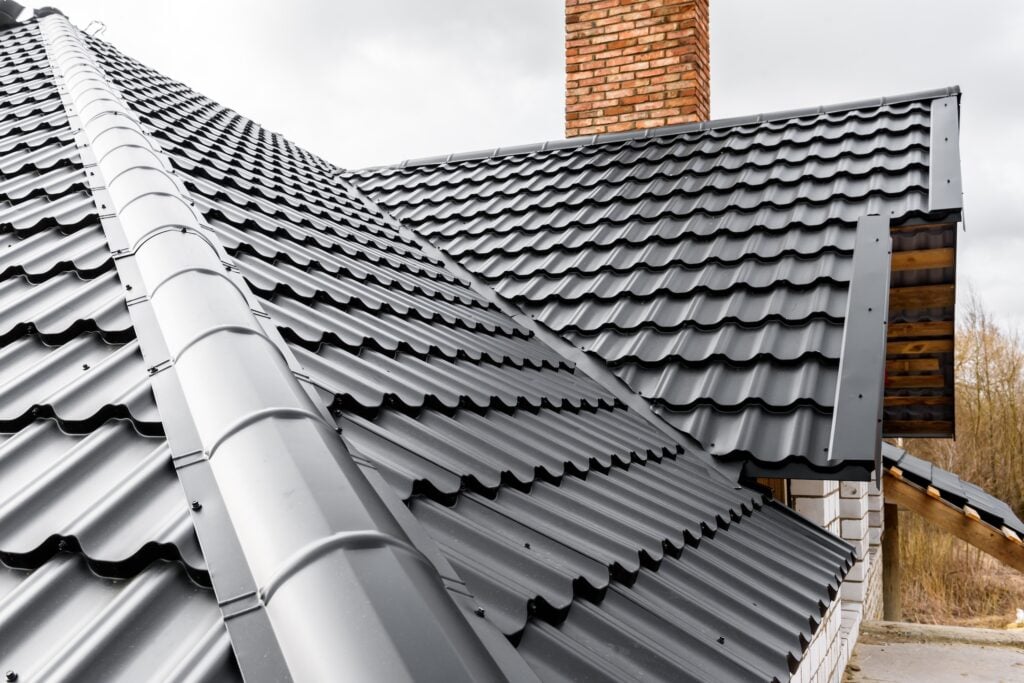
Taking Action: Protect Your Home with a Metal Roof Inspection
Investing time in a thorough metal roof inspection is vital for safeguarding your home’s value and your family’s safety. Regular evaluations help reveal wear and prevent unexpected damages, preserving the strength and appearance of your roofing system.
If you are ready to schedule a professional inspection or want expert advice tailored to your home’s specific needs, do not hesitate to contact us today. Protect your investment with experienced guidance and service designed to keep your metal roof performing at its best.
EXPLORE OUR RECENT ARTICLES

We’re Redefining Roofing. You In?