(434) 944-6005
What Is Low Slope Roofing in Commercial Buildings? (Types & Materials)
 3.13.26
 7 minutes read

Commercial buildings often use roofing systems that look nearly flat but still allow water to drain properly. Low slope roofing is a common design used for warehouses, offices, retail centers, and many other commercial properties because it supports durable membranes and efficient drainage systems. When property owners explore long term building protection strategies, they often learn that low slope roofing systems are designed for durability, accessibility, and efficient water management.
In this guide, you will learn:
- What low slope roofing means in commercial construction
- The most common types of low slope roofing materials
- Why many commercial buildings use this roofing design
- Important maintenance considerations for low slope roofs
- How property owners can choose the right roofing system
Why Low Slope Roofing Is Widely Used in Commercial Buildings
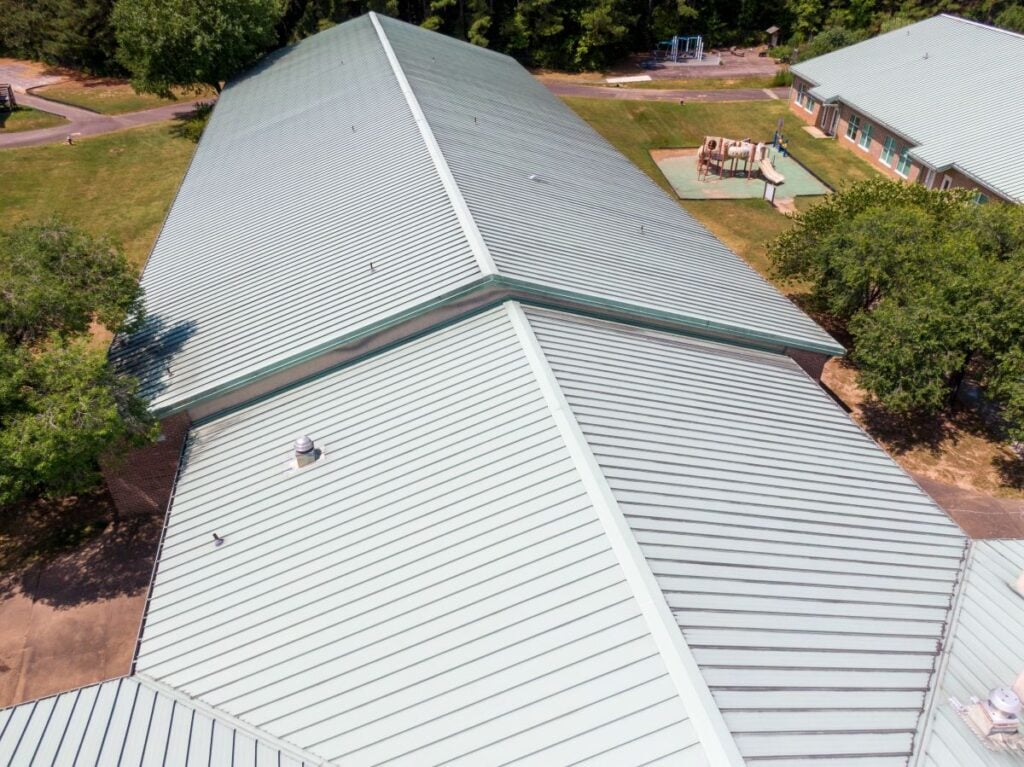
Low slope roofing systems are designed with a slight pitch that allows water to drain while maintaining a nearly flat appearance. This design offers several practical advantages for commercial buildings, especially those with large roof surfaces.
Unlike steep residential roofs, low slope systems support specialized membranes and insulation layers that help protect large structures efficiently. They also make roof access easier for maintenance and equipment installation.
Several benefits explain why this roofing design is commonly used in commercial construction.
- Efficient Water Management: Low slope roofs use internal drains, scuppers, or gutters that guide water safely away from the building.
- Cost Effective Construction: These roofing systems are often easier and faster to install on large commercial structures.
- Space for Equipment: HVAC systems, solar panels, and other equipment can be installed on flat or low slope surfaces more easily.
- Durable Membrane Systems: Modern roofing membranes provide excellent waterproof protection for low slope structures.
- Ease of Maintenance: Roof inspections and repairs are often simpler because technicians can safely walk across the surface.
For building owners in Warrenton, NC and surrounding areas, low slope roofing systems are commonly used on commercial properties because they provide a balance between durability and practicality.
5 Common Types of Low Slope Roofing Systems
Low slope roofs are not built with traditional shingles. Instead, they rely on specialized roofing materials designed to create seamless waterproof barriers. Several types of roofing systems are commonly used depending on building needs, climate conditions, and budget.
Below are five of the most widely used low slope roofing systems found on commercial buildings.
1. TPO Roofing Membranes
Thermoplastic polyolefin, commonly called TPO, is one of the most popular roofing membranes used on modern commercial buildings. It consists of a single ply membrane that is heat welded at the seams to create a watertight surface.
Key advantages of TPO roofing include:
- Strong resistance to UV radiation
- Reflective surface that helps reduce heat absorption
- Durable seams created through heat welding
TPO roofing is often selected for energy efficient commercial buildings.
2. EPDM Rubber Roofing
EPDM roofing is made from synthetic rubber and is known for its flexibility and durability. It has been used on commercial roofs for decades.
Important characteristics include:
- High resistance to weather exposure
- Flexible material that adapts to temperature changes
- Long lifespan with proper maintenance
EPDM is often recognized by its black rubber appearance.
3. PVC Roofing Systems
Polyvinyl chloride, or PVC, is another thermoplastic roofing membrane commonly used in commercial construction. It offers strong chemical resistance and durable welded seams.
Advantages include:
- Excellent waterproof performance
- Resistance to grease and chemicals
- Strong seam integrity
PVC roofing is frequently used on restaurants or industrial buildings where chemical exposure may occur.
4. Modified Bitumen Roofing
Modified bitumen roofing is an asphalt based system reinforced with fiberglass or polyester layers. It is typically installed in multiple layers for increased durability.
Common features include:
- Strong resistance to punctures
- Multiple protective layers
- Compatibility with torch applied or adhesive installation
This system has been widely used in commercial construction for many years.
5. Built Up Roofing Systems
Built up roofing, often called BUR, is one of the oldest flat roof systems still in use. It consists of alternating layers of bitumen and reinforcing fabrics.
These systems are known for:
- Thick, multi layer construction
- Strong waterproofing protection
- Durability under heavy foot traffic
Although newer membrane systems are increasingly common, built up roofing remains a reliable option.
Commercial buildings in Warrenton, NC and surrounding areas may use any of these systems depending on the building design and owner preferences.
Materials Commonly Used in Low Slope Roofing Construction
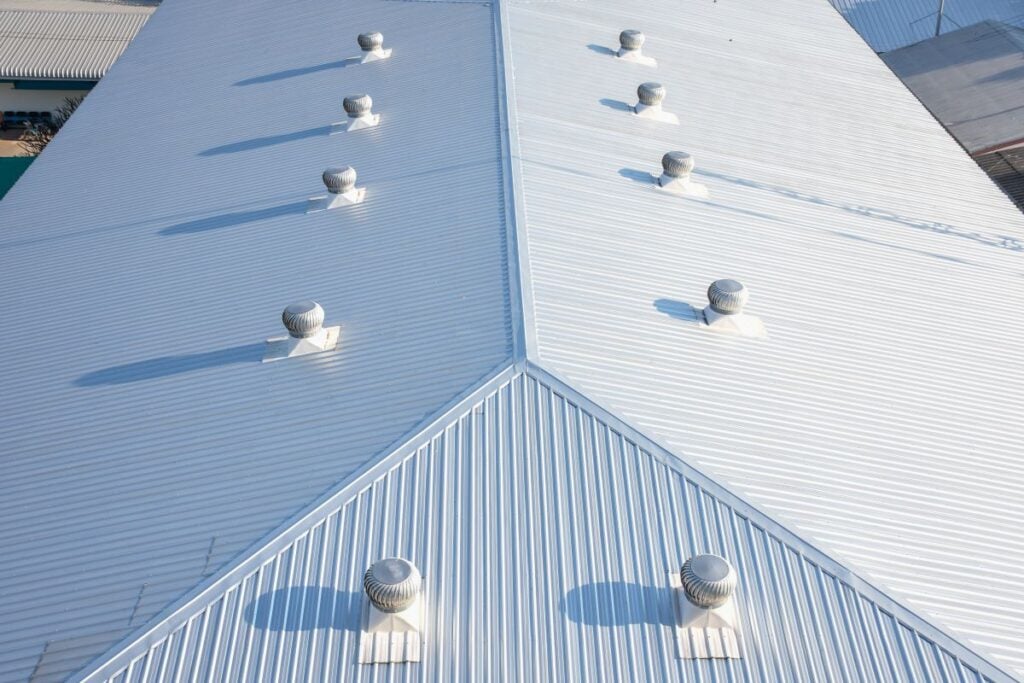
Low slope roofing systems rely on a combination of materials working together to create a durable waterproof barrier. Understanding these components helps property owners better understand how the roofing system protects their building.
Roofing Membranes
The membrane is the outermost layer of the roof and serves as the primary waterproof barrier.
Common membrane materials include:
- TPO
- EPDM
- PVC
- Modified bitumen
Each material offers different advantages depending on climate conditions and building requirements.
Insulation Layers
Insulation is installed beneath the roofing membrane to improve energy efficiency and protect the building from temperature fluctuations.
Common insulation materials include:
- Polyisocyanurate boards
- Expanded polystyrene insulation
- Extruded polystyrene insulation
These materials help regulate indoor temperatures while supporting the roofing system.
Vapor Barriers
Vapor barriers are used to prevent moisture from traveling through the roof assembly and damaging insulation or structural components.
They are particularly important in buildings where interior humidity levels may be high.
Roof Decking
The roof deck provides the structural base for the entire roofing system. It is typically made from materials such as:
- Steel decking
- Concrete panels
- Wood sheathing
The deck supports insulation layers and the roofing membrane.
Drainage Components
Because low slope roofs rely on controlled drainage systems, drains and gutters play an important role.
These systems ensure rainwater flows away from the roof surface and does not accumulate.
Building owners in Warrenton, NC and surrounding areas often prioritize proper drainage when selecting roofing materials.
Key Maintenance Practices for Low Slope Roofing Systems
Even though low slope roofing systems are designed for durability, they still require routine maintenance to perform properly. Regular inspections and preventative care help prevent leaks and extend the roof’s lifespan.
Schedule Routine Roof Inspections
Professional inspections allow contractors to identify potential problems before they worsen.
Most commercial roofs should be inspected:
- Twice per year
- After severe storms
- Before and after winter weather
Inspections help identify issues such as membrane damage or blocked drainage systems.
Keep Drainage Systems Clear
Because low slope roofs depend heavily on drainage, keeping drains and gutters free of debris is essential.
Blocked drains can lead to ponding water, which places extra stress on roofing membranes.
Address Minor Repairs Quickly
Small issues such as punctures or seam separation can lead to leaks if left untreated.
Prompt repairs help prevent water from entering the roof assembly.
Monitor Rooftop Equipment
Commercial roofs often support HVAC units or mechanical equipment.
These installations must be monitored regularly to ensure flashing and seals remain intact.
Property owners in Warrenton, NC and surrounding areas often rely on preventative maintenance plans to keep their roofs in optimal condition.
Comparing Popular Low Slope Roofing Materials
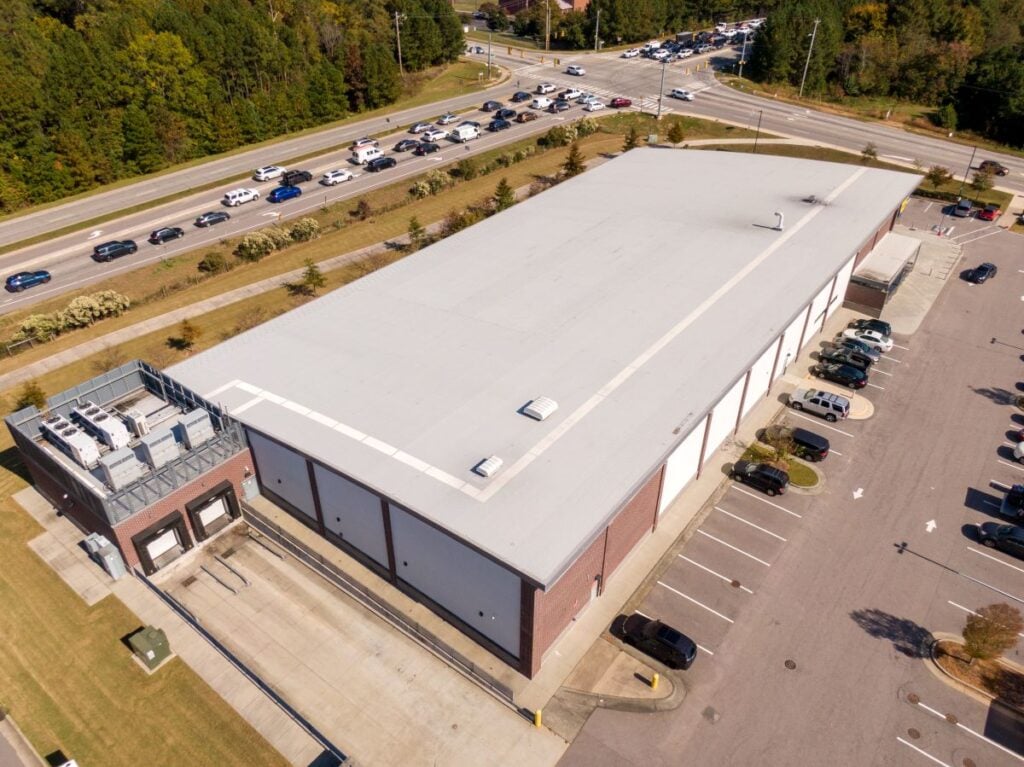
Choosing the right roofing material depends on several factors including climate, budget, building design, and maintenance expectations. Comparing different roofing options can help building owners make informed decisions.
| Roofing System | Typical Lifespan | Key Benefits | Considerations |
| TPO | 20 to 30 years | Energy efficient and reflective | Requires proper seam welding |
| EPDM | 25 to 30 years | Flexible and weather resistant | Dark color absorbs heat |
| PVC | 20 to 30 years | Chemical resistant and durable | Higher installation cost |
| Modified Bitumen | 20 years | Strong and puncture resistant | Heavier material |
| Built Up Roofing | 20 to 30 years | Multi layer durability | Labor intensive installation |
Each system offers unique advantages depending on the building’s needs.
Consulting experienced roofing professionals helps ensure the correct system is selected.
Protect Your Building with the Right Low Slope Roofing System
Low slope roofing plays a major role in protecting commercial buildings from weather exposure and water intrusion. These systems provide durable waterproof protection while supporting equipment installations and efficient drainage.
Understanding the different roofing types, materials, and maintenance requirements helps property owners make informed decisions about their building’s roofing system.
For property owners in Warrenton, NC and surrounding areas, working with experienced roofing professionals can ensure a low slope roofing system is installed and maintained properly. Kenneth Daniel Roofing provides expert inspections, installation services, and long term roofing solutions designed to protect commercial properties for years to come. If you want to discuss your roofing needs or schedule an inspection, contact us today and the Kenneth Daniel Roofing team will be ready to help protect your building.
EXPLORE OUR RECENT ARTICLES
We’re Redefining Roofing. You In?