(434) 944-6005
Industrial Roof Insulation Guide in 6 Steps (Save Energy in 2026)
 1.14.26
 6 minutes read

Commercial buildings across Glen Allen and surrounding areas face growing pressure to manage energy costs, reduce carbon footprints, and meet strict building codes. One of the most effective ways to do all three? Industrial roof insulation. Whether you’re upgrading an aging system or planning a new build, learning how to properly insulate your roof can deliver serious returns. Start by exploring how insulation fits into your full roofing strategy on our commercial roofing solutions page.
Here’s what you’ll learn in this guide:
- Why industrial roof insulation matters for energy savings and comfort
- The 6 essential steps for successful installation
- Pros and cons of popular insulation materials
- Real-world tips tailored to Glen Allen’s climate and buildings
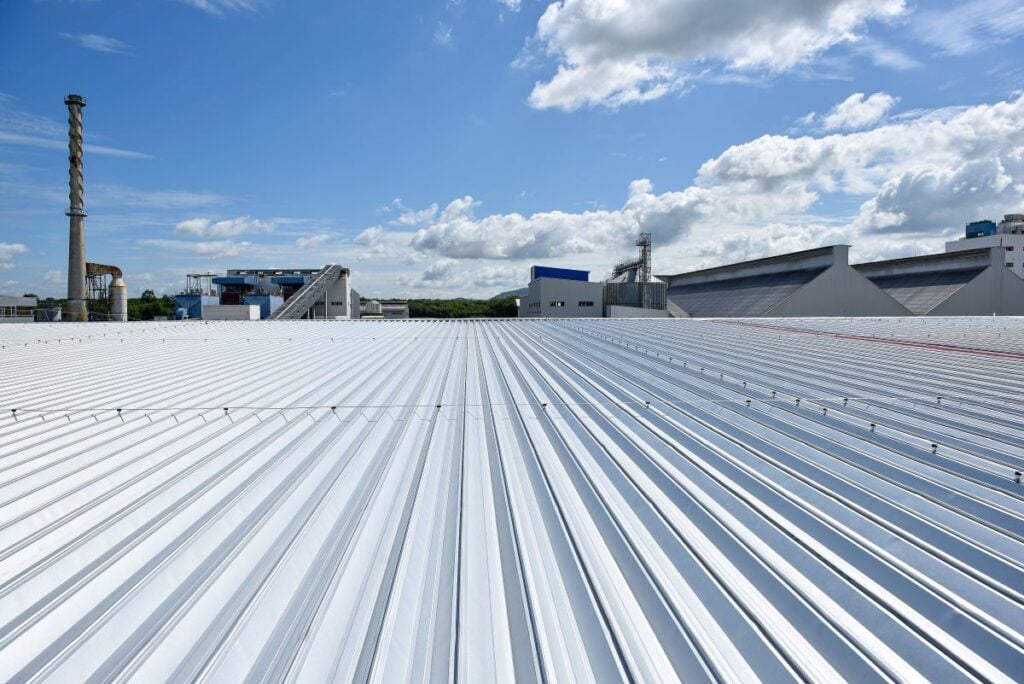
Why Insulation Is a Game-Changer for Industrial Roofs
Insulation isn’t just about temperature—it’s about efficiency, performance, and protection. Glen Allen and surrounding areas experience humid summers and cold winters, making proper roof insulation essential for stable indoor conditions. Business owners seeking long-term performance improvements can explore trusted commercial roofing services in Ashland, VA to evaluate insulation options that meet both code requirements and operational demands.
- Lowers utility bills: Reduces HVAC demand and stabilizes interior temperatures
- Extends roof lifespan: Minimizes expansion/contraction stress on roofing materials
- Improves worker comfort: Maintains a consistent indoor environment year-round
- Supports code compliance: Helps meet building energy codes and green certifications
- Reduces condensation issues: Prevents moisture buildup that can damage roof decks
6 Steps to Proper Industrial Roof Insulation
Choosing to insulate is the first step—getting it done right is where the impact lies. Here’s a proven 6-step process to insulate your industrial roof effectively.
1. Conduct a Roof Assessment
Before choosing materials or scheduling crews, evaluate the current state of your roofing system. Scheduling a professional commercial roof inspection ensures your system is structurally ready for insulation upgrades and helps identify issues before they escalate into costly repairs.
- Check for leaks, soft spots, or structural damage
- Identify areas with existing insulation and test R-values
- Evaluate attic ventilation, HVAC layout, and thermal bridging
2. Determine the Right R-Value
R-value measures thermal resistance. The higher the R-value, the better the insulation performs.
- In Glen Allen and surrounding areas, aim for R-30 to R-50 for industrial flat roofs
- Consider both code requirements and building use (e.g., warehouse vs. office)
- Balance insulation thickness with available roof clearance and load limits
3. Choose the Best Insulation Type
Industrial buildings have access to several insulation types. Each has its benefits depending on structure, budget, and goals.
- Polyiso (Polyisocyanurate): High R-value per inch; moisture-resistant; fire-rated
- EPS (Expanded Polystyrene): Lightweight, economical; good for retrofits
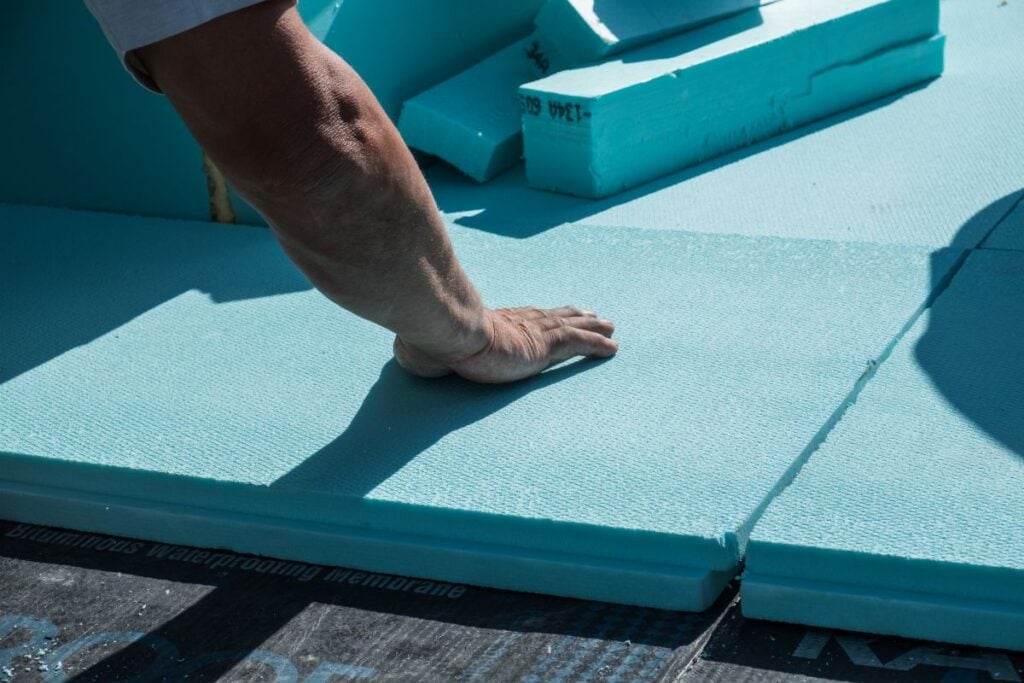
- XPS (Extruded Polystyrene): Durable, water-resistant; stable under heavy loads
- Spray Foam (SPF): Seals gaps; conforms to roof shapes; adds rigidity
- Mineral Wool: Fireproof and sound-dampening; often used under metal panels
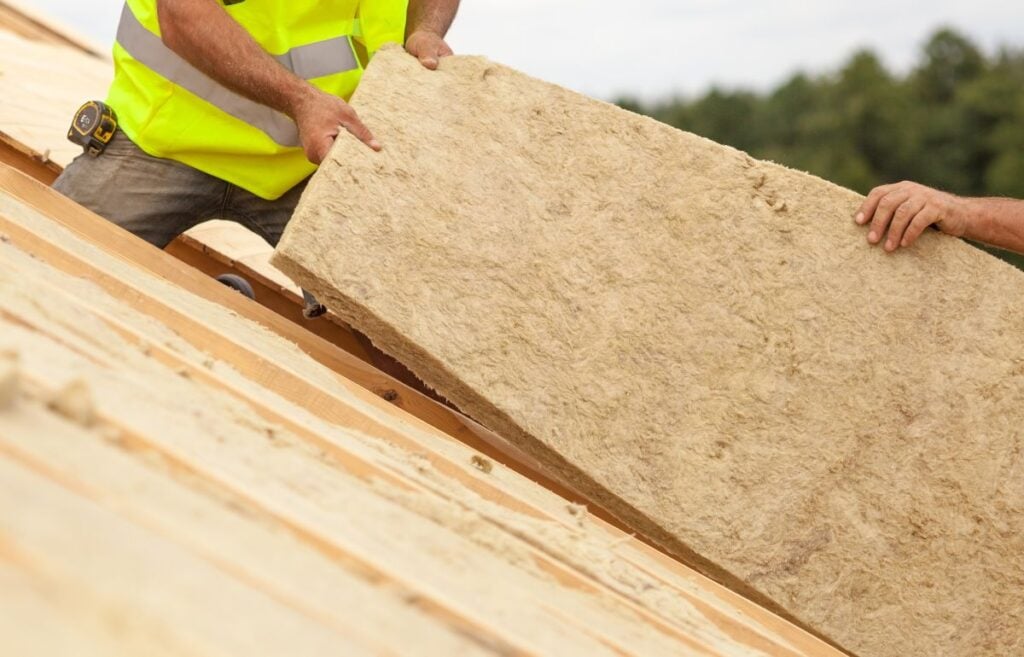
4. Install in Layers with Staggered Joints
Insulation boards should be installed in two or more layers with staggered seams.
- Reduces thermal bridging (heat escape through seams)
- Creates a tighter, more energy-efficient seal
- Improves wind uplift performance when mechanically fastened
5. Add Vapor Barriers or Reflective Membranes
Vapor control is crucial in industrial settings with heavy equipment or varying humidity levels. This guide on commercial roof sealing explains how protective membranes and sealants enhance durability, improve energy savings, and extend the life of industrial roofing systems.
- Install vapor retarders beneath insulation layers in colder climates
- Use reflective membranes for energy savings in sun-exposed buildings
- Combine insulation with a waterproof membrane for a fully sealed system
6. Perform a Final Inspection and Seal All Edges
After installation, inspect the entire surface before any roof covering is applied.
- Ensure there are no gaps, compression zones, or displaced boards
- Seal edges around penetrations, curbs, and wall transitions
- Confirm attachment methods meet local wind uplift and fire code requirements
Tips to Maximize Performance and Longevity
Insulation is only part of the equation. These extra considerations will ensure your investment delivers lasting benefits.
Moisture Management Is Key
Industrial roofs are prone to condensation from machinery and temperature swings. Moisture barriers and smart venting prevent insulation breakdown and rot.
Don’t Forget the Roof Hatch and Skylights
These areas lose more heat than solid roof panels. Add insulation around curb framing and flashing for a more complete thermal envelope.
Upgrade During Roof Replacement
Combining insulation upgrades with a roof replacement project saves time and labor costs. This also allows for seamless integration of new membrane systems.
Watch for Fire Rating Requirements
Industrial buildings must meet strict fire codes. Always select insulation that aligns with your required Class A or Class B fire ratings.
Get a Professional Energy Audit
Thermal imaging or blower door testing can identify where heat escapes—guiding insulation placement for maximum effect.
Comparing Popular Insulation Materials
Let’s break down the most common industrial insulation materials used in Glen Allen and surrounding areas. This table highlights cost, performance, and unique strengths:
| Material | R-Value/inch | Moisture Resistance | Fire Rating | Cost | Best Use Cases |
| Polyiso | 6.0–6.5 | Excellent | Class A | Moderate | Flat roofs, retrofits, LEED projects |
| EPS | 3.6–4.0 | Moderate | Class B | Low | Budget-conscious retrofits |
| XPS | 5.0 | Excellent | Class A | High | High-load commercial or cold storage |
| Spray Foam | 6.5+ | Excellent | Class A/B | High | Complex shapes, air sealing projects |
| Mineral Wool | 4.0–4.2 | Excellent | Class A | Moderate | Fire-resistance, sound dampening |
Each material comes with trade-offs, so it’s essential to work with a contractor familiar with building use and local code enforcement.
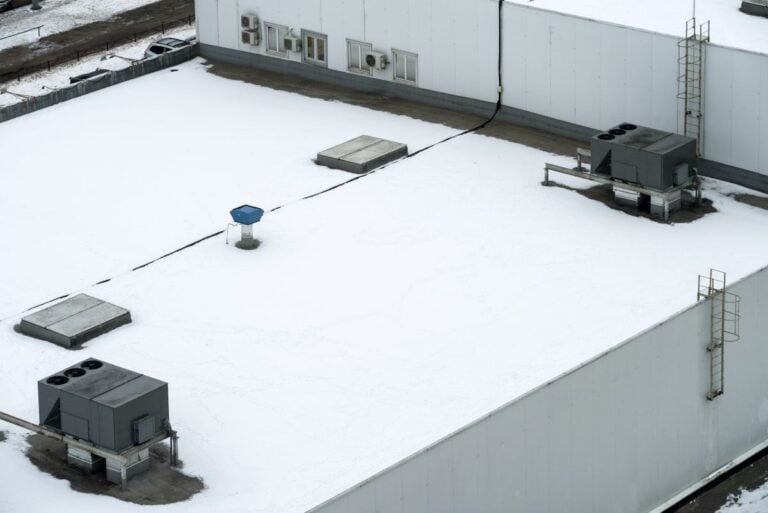
What Glen Allen Building Owners Should Know
Glen Allen’s climate and local construction styles create unique challenges for insulation. Property managers looking for expert guidance can rely on experienced commercial roofing services in Rocky Mount, NC to ensure their insulation strategy delivers maximum performance.
- Heat and Humidity: Summers here increase HVAC strain. Reflective membranes and high R-value insulation reduce this load.
- Cold Winters: Without proper insulation, industrial spaces become inefficient and hard to regulate.
- Frequent Roof Penetrations: HVAC curbs, vents, and solar systems require insulation that can be precisely cut and sealed.
- Storm Potential: Reinforced insulation paired with secure fasteners improves wind resistance during major weather events.
By partnering with local experts who understand Glen Allen and surrounding areas, business owners get solutions designed for durability—not just code minimums.
Get Expert Help with Industrial Roof Insulation
Whether you’re managing a warehouse, retail center, or processing plant, the right insulation makes a noticeable difference in comfort, efficiency, and long-term costs. Proper planning, smart material selection, and expert installation are the keys to success—especially in Glen Allen and surrounding areas, where seasonal changes hit buildings hard. Businesses can schedule professional commercial roofing services in Warrenton, NC to upgrade their industrial roof systems with confidence.
To schedule an inspection or learn which insulation option is best for your property, contact us today and let Kenneth Daniel Roofing help you save energy and protect your roof system for the long haul.
EXPLORE OUR RECENT ARTICLES


We’re Redefining Roofing. You In?