(434) 944-6005
How to Clean a Metal Roof? (6 Expert Tips)
 1.1.25
 7 minutes read

A clean metal roof isn’t just about appearance; it’s about extending its lifespan and protecting your investment. Over time, debris, dirt, algae, and mildew can cause damage to your metal roofing if not properly maintained. Knowing how to clean a metal roof effectively, and without causing any damage, is a must for homeowners.
This guide walks you through everything you need to know about keeping your metal roof in peak condition. Here’s what we’ll cover:
- Why cleaning your metal roof matters
- Expert tips for cleaning a metal roof
- How often should you clean a metal roof?
👉 Why Cleaning Your Metal Roof Matters
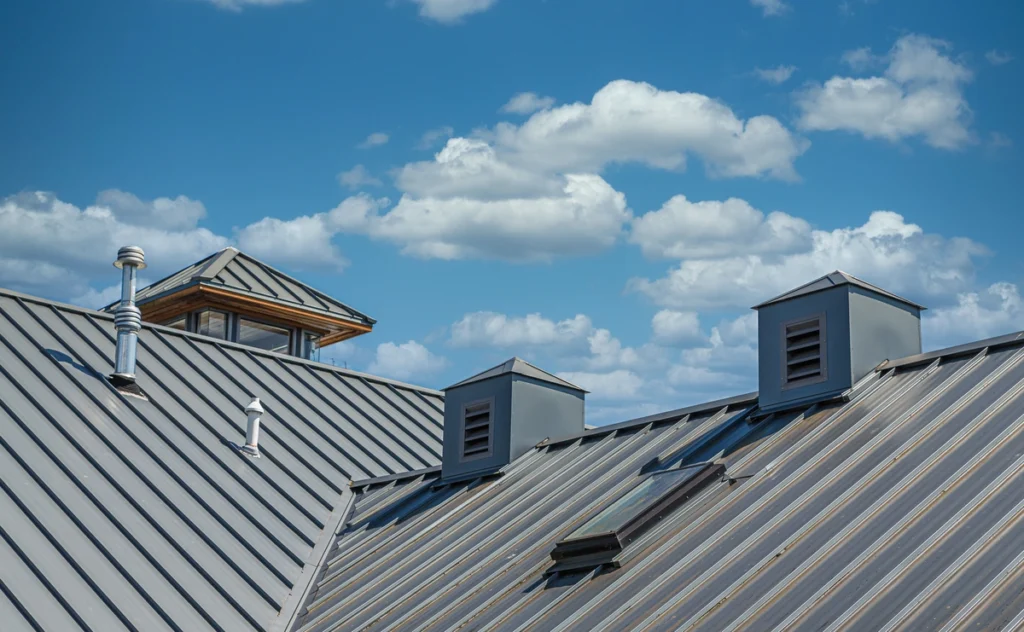
Cleaning your roof isn’t just about curb appeal. Here’s why it matters:
Over time, dirt, moss, and algae can cause damage to even the most durable materials, like metal, by leading to corrosion. Regular cleaning is essential to prevent this kind of deterioration and keep your roof in top condition.
A clean roof not only lasts longer but also performs better against harsh weather conditions. By removing debris and buildup, you can extend its lifespan and reduce the need for costly, premature repairs. Proper roof maintenance ensures your investment continues to protect your home effectively.
Additionally, keeping your roof clean helps maintain efficiency by preventing trapped moisture and blocked water drainage. It’s also important to note that some roofing warranties require periodic cleaning to stay valid, making upkeep crucial for protecting both your roof and your warranty.
Safety Precautions to Take Before Cleaning
Cleaning a metal roof can be hazardous if done improperly. Always prioritize your safety by following these precautions:
- Use Proper Gear: Wear non-slip shoes, gloves, and safety glasses.
- Secure a Harness: Use a safety harness if your roof has a steep pitch.
- Check Weather Conditions: Avoid cleaning on windy, rainy, or extremely sunny days.
- Stabilize Your Ladder: Ensure that your ladder is set up securely at a safe angle against the roof.
👨🔧 6 Expert Tips for Cleaning a Metal Roof
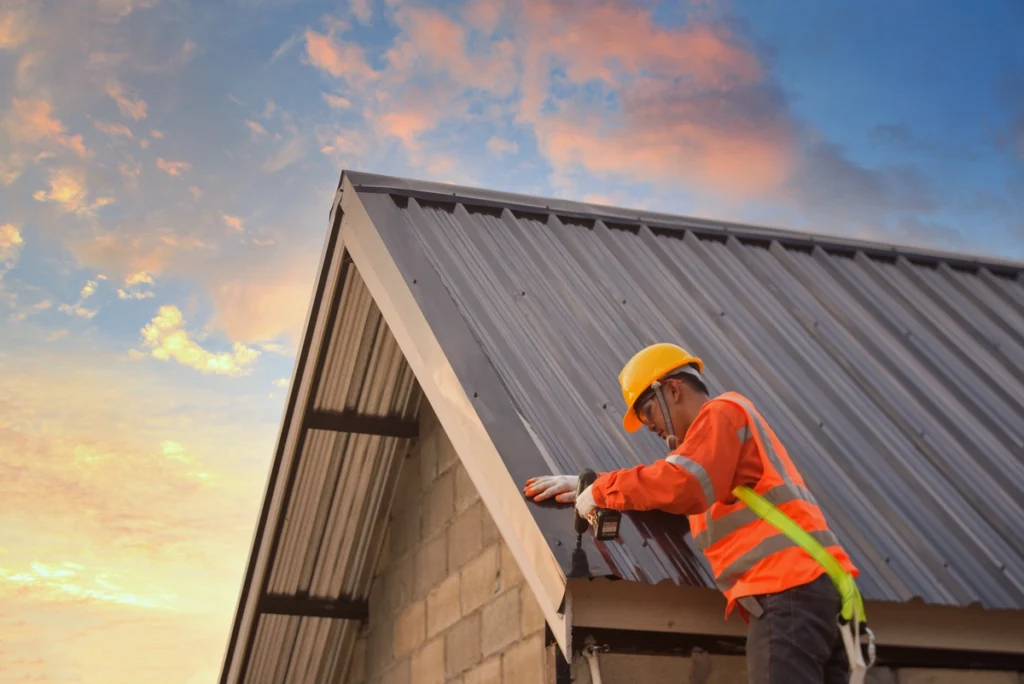
Here are our top tips for ensuring your roof gets a proper, safe cleaning:
1. Start by Removing Loose Debris
Proper preparation is key to cleaning your metal roof effectively. Begin by removing any loose debris, such as leaves, twigs, branches, or dirt, that may have collected on the surface. A soft-bristle broom or a leaf blower works best for this step, as they are gentle enough to avoid scratching the roof’s finish. Take your time to ensure all debris is cleared, especially around roof edges, seams, and gutters where materials tend to accumulate. This initial step prevents any abrasive debris from causing scratches when you begin washing the roof, protecting its coating and appearance.
2. Use the Right Cleaning Solution
Choosing the correct cleaning solution is crucial for maintaining the integrity of your metal roof. For general grime and dirt, mix a solution of warm water and mild dish soap in a bucket. This gentle mixture is safe for most metal roof finishes and effectively removes everyday buildup. If your roof has algae, mildew, or moss, opt for a non-toxic, biodegradable cleaner specifically formulated for roofs. These products are tough on organic growth but safe for the environment and won’t damage the protective coating on the metal. Avoid using abrasive cleaners, bleach, or strong chemicals, as these can strip away the roof’s finish, leading to corrosion or discoloration over time.
3. Apply Your Solution with a Soft Brush
Once your cleaning solution is ready, apply it using a long-handled, soft-bristle brush or a sponge mop. These tools are gentle enough to avoid scratching the roof’s surface but effective for breaking down dirt and grime. Dip the brush or mop into your solution and begin scrubbing the roof gently in circular motions. Start from the top of the roof and work your way downward to avoid pushing debris or dirty water into already cleaned areas. Be thorough but gentle, especially around seams and edges, to prevent accidental damage to the roof’s protective coating.
4. Work in Sections
To ensure an even and thorough clean, divide your roof into smaller, manageable sections. Focusing on one section at a time helps you clean more effectively and prevents the cleaning solution from sitting too long and drying on the surface. A dried cleaning solution can leave streaks or residue, which may require additional effort to remove. By working in sections, you can scrub and rinse each area one at a time, ensuring a consistent and spotless result. This method also allows you to prioritize areas that may need extra attention, such as spots with heavy dirt or algae growth.
5. Rinse Thoroughly
After scrubbing each section, it’s essential to rinse immediately and thoroughly to remove both the cleaning solution and loosened debris. Use a garden hose with a spray nozzle or a pressure washer set to a low-pressure setting to avoid damaging the roof’s finish. Always rinse from the top of the roof downward, allowing gravity to guide the water and debris off the roof efficiently. This downward motion also reduces the risk of water seeping under the roof panels. Be patient and ensure all soapy residue is removed, as leftover cleaner can leave streaks or damage the finish over time.
6. Inspect for Trouble Spots
Once your roof is clean and dry, take the time to inspect it for any trouble areas. Look for signs of rust, scratches, or damage to the protective coating. Rust spots should be treated immediately to prevent spreading, and scratches can often be repaired with touch-up paint recommended by the roof manufacturer. Additionally, check for any loose fasteners or panels that may need tightening. Addressing these issues promptly will not only prevent larger problems in the future but will also extend the lifespan of your roof. A clean, well-maintained roof enhances your home’s appearance while protecting it from the elements.
🤔 How Often Should You Clean a Metal Roof?
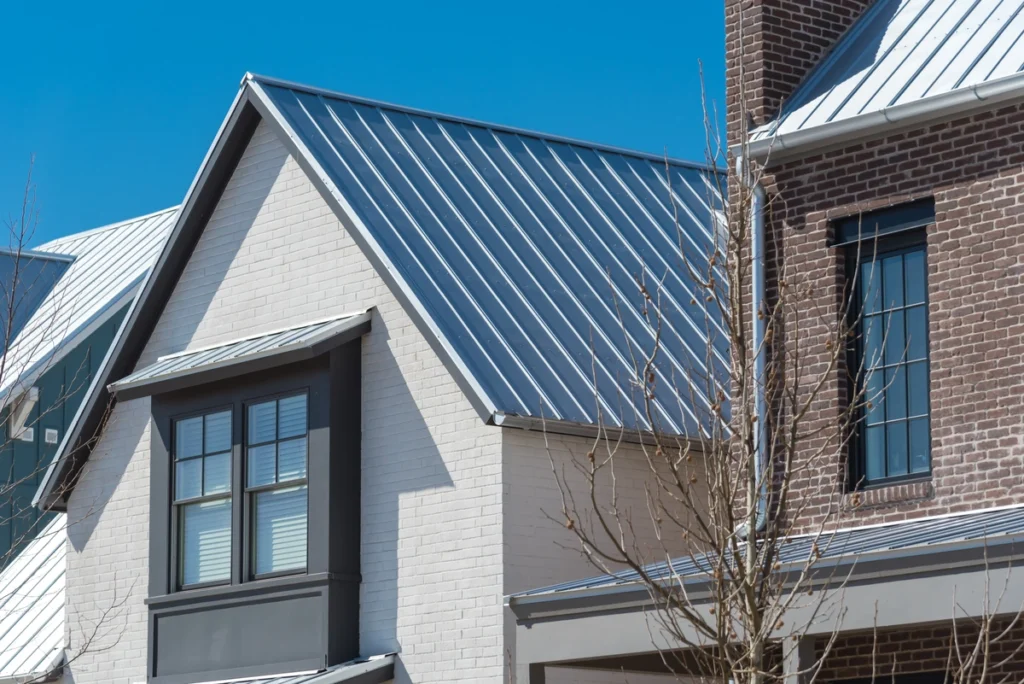
How regularly you clean your roof depends on your local climate and environment. Typically:
Annually
A general cleaning of your space at least once a year is a good rule of thumb. This helps maintain cleanliness and ensures that any dirt, dust, or buildup is addressed before it becomes a larger issue. Annual cleaning is especially effective for areas that don’t experience heavy foot traffic or extreme weather conditions.
Twice a Year in Humid Areas
If you live in a high-humidity region, cleaning twice a year is recommended. Humid environments create the perfect conditions for mold, mildew, and algae growth. Regular cleanings—at least every six months—help prevent these issues and maintain a healthy, safe environment.
Seasonal Spot Cleaning
Certain times of the year require extra attention, such as after storms or during autumn when leaves and debris are more likely to accumulate. Seasonal spot cleaning ensures that gutters, pathways, and other outdoor areas are kept clear and functional, preventing blockages or damage caused by neglect.
⭐️ Metal Roof Cleaning
Cleaning a metal roof might seem like a manageable DIY project, but it often requires the right tools, techniques, and expertise to do it safely and effectively. That’s where the team at Kenneth Daniel Roofing makes all the difference. With over a decade of experience and a strong reputation built on professionalism and care, we’ve helped countless homeowners maintain their roofs with ease. Whether you need cleaning, inspections, repairs, or a full replacement, you can count on us to treat your home as if it were our own.
Don’t take chances with your roof—contact Kenneth Daniel Roofing today and let our experts handle the hard work for you. Schedule your consultation now and enjoy peace of mind knowing your roof is in trusted hands!
EXPLORE OUR RECENT ARTICLES

We’re Redefining Roofing. You In?