(434) 944-6005
How Long Does Siding Last? Lifespan by Material Explained
 4.8.26
 6 minutes read

Your home’s exterior plays a critical role in protecting everything inside, which is why understanding how long does siding last is so important. Different materials offer very different lifespans, and knowing what to expect can help you plan ahead. If you are evaluating your exterior or considering upgrades, exploring professional siding replacement and installation options can give you a clearer picture of what works best for your home.
- Learn how long different siding materials typically last
- Understand what affects siding lifespan over time
- Discover signs that your siding may need replacement
- Get tips to extend the life of your siding investment
Why Siding Lifespan Matters for Homeowners
Siding is not just about curb appeal. It acts as your home’s first line of defense against weather, moisture, and structural damage. Knowing how long your siding should last helps you avoid unexpected repairs and costly damage.
For homeowners in Petersburg, VA and surrounding areas, where humidity, storms, and seasonal changes are common, understanding siding lifespan is especially important.
Here is why siding longevity matters:
- Protection Planning: Helps you anticipate when your home may need upgrades
- Cost Management: Allows you to budget for repairs or replacement ahead of time
- Energy Efficiency: Older siding can lead to higher energy bills
- Home Value: Well-maintained siding improves resale potential
- Damage Prevention: Prevents moisture intrusion and structural issues
Being proactive about your siding can save you time, money, and stress in the long run.
6 Common Siding Materials and Their Lifespans
Different siding materials have different durability levels. Understanding these timelines helps you choose the best option for your home or evaluate your current siding.
1. Vinyl Siding Lifespan
Vinyl siding is one of the most popular choices due to its affordability and low maintenance.
Typical lifespan:
- 20 to 30 years on average
- High-quality products may last closer to 40 years
Factors that affect vinyl longevity:
- Sun exposure can cause fading
- Extreme cold may lead to cracking
- Poor installation can shorten lifespan
Vinyl is a practical option for many homeowners in Petersburg, VA and surrounding areas, especially when properly installed and maintained.
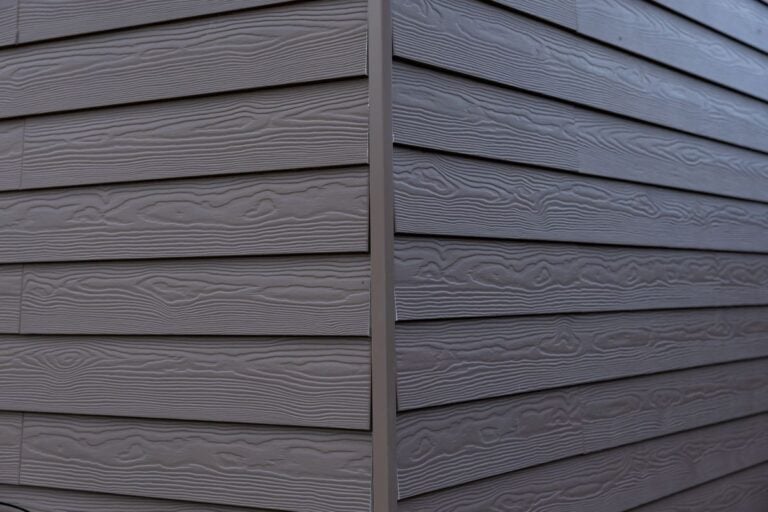
2. Fiber Cement Siding Lifespan
Fiber cement siding is known for its durability and resistance to harsh conditions.
Typical lifespan:
- 30 to 50 years or more
Key benefits:
- Resistant to fire, pests, and moisture
- Holds up well in extreme weather
- Maintains its appearance longer
Maintenance considerations:
- Requires repainting every 10 to 15 years
- Needs periodic inspections
Fiber cement is a strong long-term investment for homeowners seeking durability.
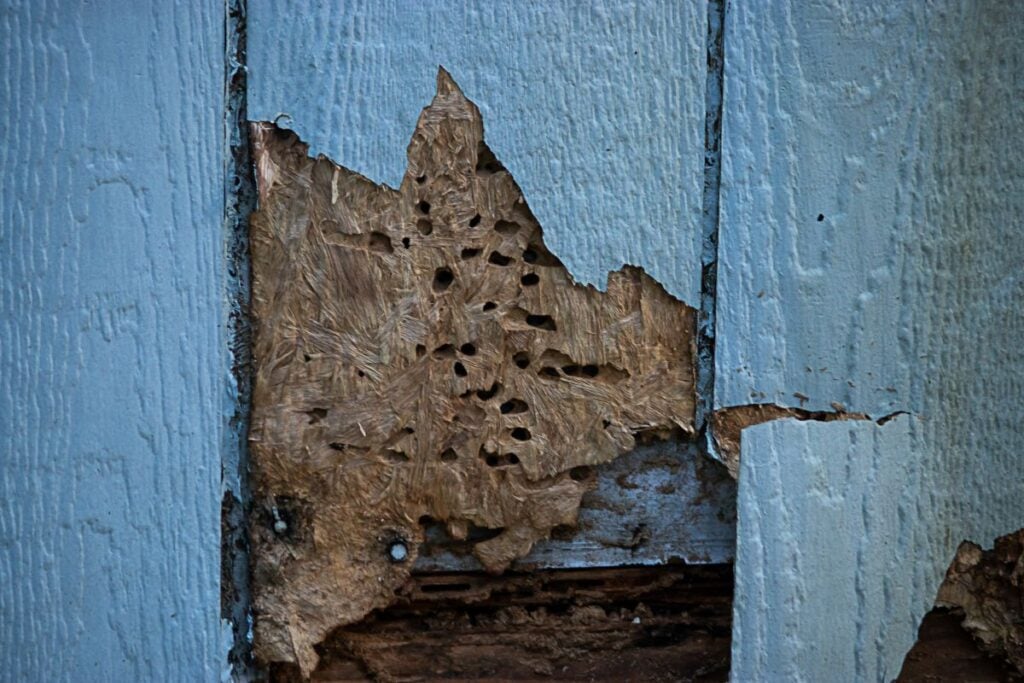
3. Wood Siding Lifespan
Wood siding offers a classic look but requires more maintenance.
Typical lifespan:
- 20 to 40 years with proper care
Factors to consider:
- Vulnerable to rot and insects
- Requires regular painting or staining
- Performance depends heavily on maintenance
While beautiful, wood siding demands ongoing attention to reach its full lifespan.
4. Engineered Wood Siding Lifespan
Engineered wood siding is designed to improve on traditional wood by enhancing durability.
Typical lifespan:
- 20 to 30 years
Advantages:
- Better resistance to moisture and pests
- Lower maintenance than natural wood
- More affordable than solid wood
Limitations:
- Can be affected by prolonged moisture exposure
- Requires proper installation and sealing
Engineered wood provides a balanced option between cost and performance.
5. Metal Siding Lifespan
Metal siding, including aluminum and steel, is known for its strength and longevity.
Typical lifespan:
- 30 to 50 years
Benefits:
- Resistant to fire and pests
- Durable in harsh weather conditions
- Low maintenance
Potential drawbacks:
- Can dent or scratch
- May require repainting over time
Metal siding is ideal for homeowners looking for a long-lasting, low-maintenance solution.
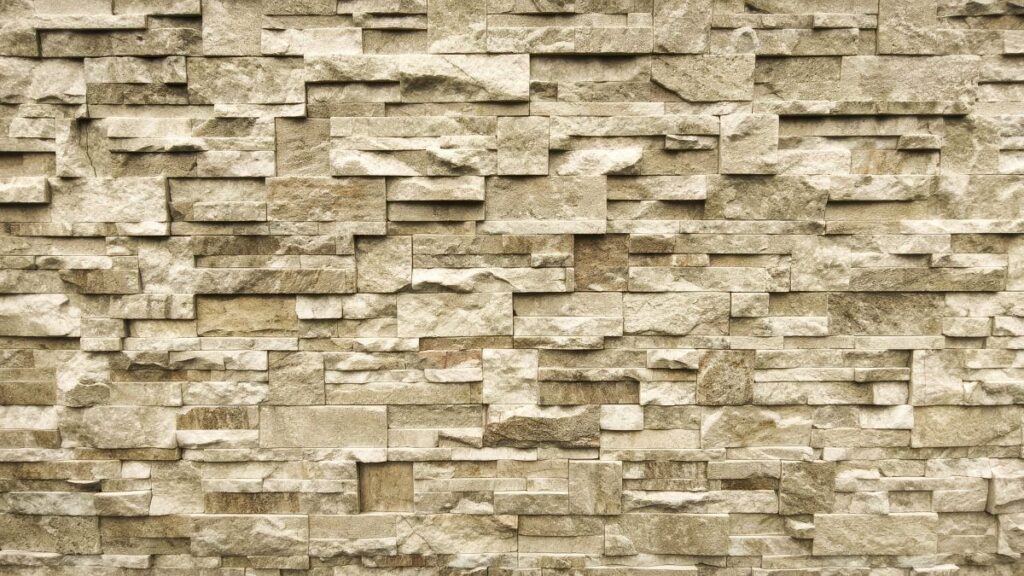
6. Brick and Stone Veneer Lifespan
Brick and stone veneer offer one of the longest lifespans among siding options.
Typical lifespan:
- 50 years or more
Advantages:
- Extremely durable
- Resistant to weather and pests
- Minimal maintenance required
Considerations:
- Higher upfront cost
- Limited flexibility for design changes
For homeowners in Petersburg, VA and surrounding areas, brick and stone provide exceptional longevity and curb appeal.
What Affects How Long Siding Lasts?
While material plays a major role, several other factors can impact how long your siding will last. Understanding these variables helps you protect your investment.
Installation Quality
Proper installation is one of the most important factors in siding performance.
- Ensures panels are secured correctly
- Allows for expansion and contraction
- Prevents moisture intrusion
Poor installation can significantly reduce the lifespan of any siding material.
Climate and Weather Exposure
Environmental conditions have a direct impact on siding durability.
- Humidity can lead to moisture-related issues
- Strong winds may loosen or damage panels
- UV exposure can cause fading and deterioration
Homes in Petersburg, VA and surrounding areas should be equipped with siding that can handle these conditions.
Maintenance and Care
Regular maintenance extends the life of your siding.
- Cleaning removes dirt and buildup
- Inspections catch small issues early
- Repairs prevent further damage
Neglecting maintenance can shorten the lifespan of even the most durable materials.
Material Quality
Not all siding products are created equal.
- Higher-quality materials last longer
- Premium options often include better protection against weather
- Thickness and composition play a role in durability
Investing in quality materials pays off over time.
Signs Your Siding May Need Replacement
Even if your siding has not reached the end of its expected lifespan, there are warning signs that it may need attention. Recognizing these signs early can prevent more serious problems.
Visible Damage
- Cracks, holes, or warping
- Loose or missing panels
- Rot or soft spots in wood siding
These issues can allow moisture to enter and cause structural damage.
Fading or Discoloration
- Significant color fading
- Uneven or blotchy appearance
- Loss of original finish
Fading often indicates that the siding is aging and losing its protective qualities.
Increased Energy Bills
- Poor insulation performance
- Drafts near walls
- Difficulty maintaining indoor temperature
Old or damaged siding can reduce energy efficiency and increase utility costs.
Mold, Mildew, or Moisture Issues
- Visible mold growth
- Water stains on interior walls
- Persistent dampness
These signs may indicate moisture intrusion behind the siding.
Siding Lifespan Comparison Table
Comparing siding materials side by side can help you better understand your options and make an informed decision.
| Material | Average Lifespan | Maintenance Level | Cost Range | Durability |
| Vinyl | 20 to 30 years | Low | Low | Moderate |
| Fiber Cement | 30 to 50 years | Moderate | Medium to High | High |
| Wood | 20 to 40 years | High | Medium to High | Moderate |
| Engineered Wood | 20 to 30 years | Moderate | Medium | Moderate |
| Metal | 30 to 50 years | Low | Medium to High | High |
| Brick Veneer | 50+ years | Low | High | Very High |
This comparison highlights the trade-offs between cost, maintenance, and durability.
Make a Smart Investment in Your Home’s Exterior
Understanding how long siding lasts helps you plan for the future and make better decisions about your home. The right siding material can provide decades of protection, improve energy efficiency, and enhance curb appeal.
Whether you are maintaining your current siding or planning a replacement, choosing the right material and ensuring proper installation are key to maximizing lifespan.
Kenneth Daniel Roofing is committed to helping homeowners make informed choices and achieve long-lasting results. If you are unsure about the condition of your siding or are ready to explore your options, contact us today to get expert guidance and professional support for your next project.
EXPLORE OUR RECENT ARTICLES
We’re Redefining Roofing. You In?