(434) 944-6005
5 Standard Gutter Sizes (How to Find the Right Fit)
 12.2.25
 8 minutes read

Choosing the right gutter sizes for your home may seem like a small detail, but it makes a huge difference in how well your home manages water runoff. Gutters that are too small can overflow and damage your siding, foundation, and landscaping. Oversized gutters, on the other hand, can look bulky or cost more than you need to spend.
For homeowners in Macon, NC and surrounding areas, where heavy rainfall and storms are common, understanding how gutter sizing works is essential for long-term home protection. Selecting the proper size ensures your home drains efficiently, looks proportional, and stays dry through every season. To learn more about installation and materials, you can explore how high-performance systems are installed on the gutters page, which covers design, sizing, and custom solutions available for homeowners.
In this homeowner’s guide, you’ll learn:
- Why choosing the correct gutter size matters
- The standard gutter sizes used in most homes
- How roof size and rainfall influence gutter capacity
- Tips for selecting the right downspouts and materials
- When to call a professional for gutter evaluation or upgrade
Why Correct Gutter Sizing Matters

Your gutter system is one of the most important features protecting your home from water damage. It directs rainwater away from your roof, walls, and foundation, preventing moisture from seeping in. Choosing the wrong size can lead to costly repairs and unnecessary maintenance.
In Macon, NC and surrounding areas, seasonal storms can dump inches of rain in just a few hours. Gutters that are undersized will overflow quickly, causing erosion, basement leaks, and wood rot. Oversized gutters, while effective, may not fit smaller rooflines aesthetically or structurally.
Here’s why gutter sizing is so important:
- Prevents Water Damage: Correctly sized gutters handle heavy rain without overflowing.
- Protects Foundation and Landscaping: Directing water away from your home prevents soil erosion and basement leaks.
- Improves Roof Longevity: Proper drainage reduces standing water that can deteriorate shingles and decking.
- Enhances Curb Appeal: Well-fitted gutters look sleek and balanced on your home’s exterior.
- Reduces Maintenance Needs: Larger, correctly installed gutters are less prone to clogging.
5 Standard Gutter Sizes Explained
Most residential homes use standard gutter sizes that fit common roofing systems and rainfall patterns. While custom solutions are available, these five standard options cover the majority of homes across the United States.
1. 4-Inch Gutters
Four-inch gutters are the smallest size available and are typically used for compact structures such as sheds, small porches, or garages. While they’re not ideal for full residential roofs, they can handle light rainfall efficiently when installed correctly.
Best for:
- Small roofs under 1,000 square feet
- Light rainfall regions
- Detached structures or covered patios
Benefits:
- Compact and affordable
- Easy to install
- Minimal visual impact on smaller buildings
2. 5-Inch Gutters
The 5-inch K-style gutter is the most common size for standard single-family homes. It offers the right balance between capacity, appearance, and cost-effectiveness. This size handles moderate rainfall easily while complementing most home designs.
Best for:
- Standard homes up to 2,200 square feet of roof area
- Moderate rainfall climates (common in Macon, NC and surrounding areas)
Benefits:
- Versatile and budget-friendly
- Matches most architectural styles
- Compatible with a variety of materials (aluminum, steel, vinyl, and copper)
When paired with standard 2×3-inch downspouts, a 5-inch gutter system can efficiently channel water away from most roofs.
3. 6-Inch Gutters
Larger roofs and steeper pitches require more drainage capacity, and that’s where 6-inch gutters come in. They hold significantly more water than 5-inch systems—up to 40% more—making them ideal for homes that experience frequent heavy rainfall.
Best for:
- Roofs larger than 2,200 square feet
- Areas with frequent downpours
- Steep roof designs that collect and channel more water
Benefits:
- Excellent for managing heavy water flow
- Reduces overflow and erosion risks
- Ideal for wide roof valleys or multi-level structures
These gutters are often paired with larger 3×4-inch downspouts to prevent water bottlenecks.
4. 7-Inch Gutters
Seven-inch gutters are commonly used on large custom homes or small commercial buildings. While less common in residential applications, they provide maximum protection against overflow and are built to handle high volumes of rainwater efficiently.
Best for:
- Luxury homes with complex rooflines
- Areas with extreme rainfall
- Metal roofing systems with fast runoff
Benefits:
- Exceptional drainage performance
- Long-lasting, durable construction
- Reduces the need for additional downspouts
While more expensive than smaller sizes, 7-inch gutters can provide peace of mind for homeowners who want top-tier protection.
5. Half-Round Gutters (Various Sizes)
Half-round gutters come in 5-inch and 6-inch sizes but differ in shape. Instead of the angular K-style, they feature a smooth, curved profile that enhances traditional or historic homes. Their rounded design improves water flow while reducing debris buildup.
Best for:
- Historic or craftsman-style homes
- Homeowners seeking decorative appeal
- Metal gutter systems (copper, steel, or aluminum)
Benefits:
- Elegant, classic appearance
- Easier to clean due to smooth interior
- Resistant to corrosion when made of copper or zinc
Half-round gutters typically cost more and require specialized installation brackets, but their aesthetic appeal and longevity make them a popular premium choice.
Factors That Influence the Right Gutter Size
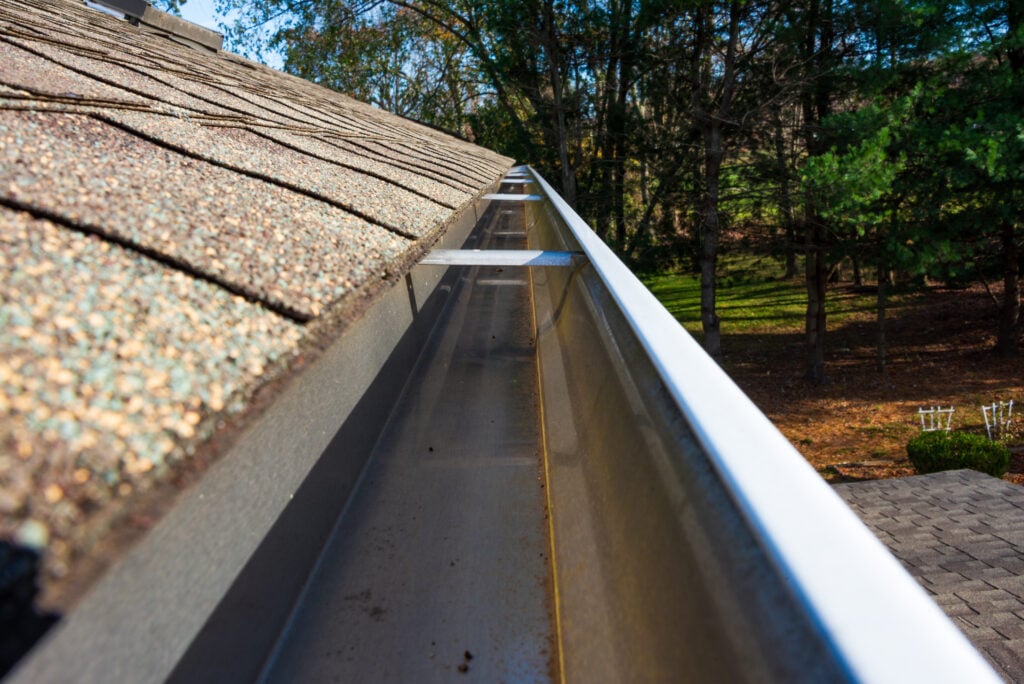
Choosing gutter size isn’t only about roof area—it also depends on slope, rainfall intensity, and local weather conditions. Every home is different, so evaluating these factors ensures your gutter system is sized correctly.
Roof Size and Pitch
A steep roof sheds water faster than a flat one. The steeper the slope, the greater the water velocity, which means your gutters must have enough capacity to handle the rapid flow.
- Low-slope roofs: Standard 5-inch gutters usually suffice.
- Medium to steep slopes: Consider 6-inch gutters for added capacity.
- Large, steep roofs: 7-inch systems prevent overflow during intense rainstorms.
Rainfall Intensity
Areas with heavier rainfall need wider gutters and downspouts. In Macon, NC and surrounding areas, seasonal storms can produce high-intensity downpours that require larger systems.
Local rainfall data can help determine your home’s “drainage demand,” or the volume of water your roof collects during a storm. Professionals use this data when calculating ideal gutter size.
Roofline Complexity
Homes with multiple rooflines, valleys, or dormers collect more runoff in specific sections. Larger gutters or strategically placed downspouts may be necessary to ensure balanced drainage across the entire roof.
Material Weight
Heavier materials like steel or copper require sturdier brackets and spacing adjustments. Lighter materials such as aluminum or vinyl can be installed more easily on smaller roof structures.
K-Style vs. Half-Round Gutters: Which Works Best?
Beyond size, the shape of your gutter affects both capacity and appearance. Two main profiles dominate the market—K-style and half-round—and each has distinct benefits.
| Feature | K-Style Gutters | Half-Round Gutters |
| Shape | Flat back with decorative front | Smooth, rounded curve |
| Capacity | Holds more water per inch of width | Slightly less capacity |
| Style Fit | Modern and traditional homes | Classic and historical homes |
| Maintenance | May trap debris in corners | Easier to clean |
| Cost | More affordable | More expensive |
For most modern homes in Macon, NC and surrounding areas, K-style gutters remain the go-to choice because of their performance and affordability. However, half-round gutters provide timeless beauty and excellent functionality for those wanting a more refined look.
How Downspouts Affect Gutter Performance
Even the best gutter system won’t perform properly without correctly sized downspouts. Downspouts handle the final step of water removal, guiding it safely away from your home’s foundation.
Standard Downspout Sizes
- 2×3 inches: Typically used with 5-inch gutters
- 3×4 inches: Ideal for 6-inch gutters
- Round downspouts: Common for half-round systems (sizes vary)
Downspout Placement Tips
- Place at least one downspout for every 30–35 feet of gutter length.
- Avoid directing water toward driveways or walkways.
- Use splash blocks or extensions to move water several feet away from the foundation.
If your gutters overflow even when clean, undersized or poorly placed downspouts may be the cause.
When to Upgrade or Replace Your Gutters
Even properly sized gutters wear out over time. Regular inspections help you catch issues early before water damage spreads.
Consider replacing your gutters if you notice:
- Cracks, rust, or holes in the metal
- Frequent overflow despite cleaning
- Peeling paint or rot on fascia boards
- Sagging or detached sections
- Standing water near your foundation
Professional roofers can evaluate your existing system and determine whether resizing or upgrading materials would improve performance.
Benefits of Professional Gutter Installation
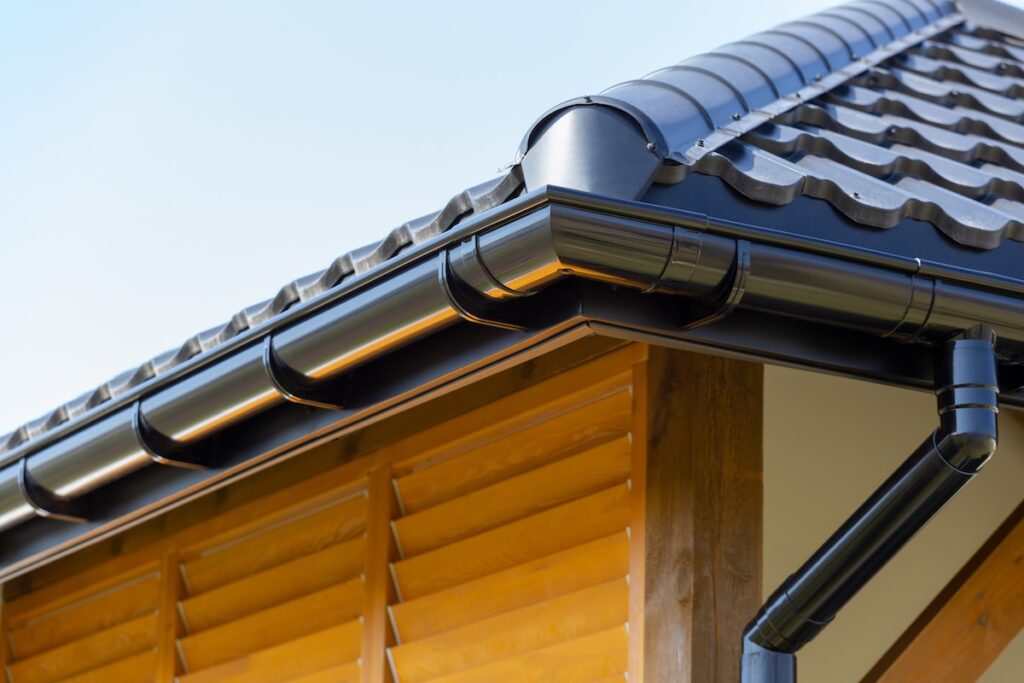
While DIY gutter systems exist, professional installation ensures your gutters are correctly measured, securely fastened, and properly sloped. In regions like Macon, NC and surrounding areas, where rainfall intensity can vary dramatically, precision installation prevents future issues.
Professional installers provide:
- Accurate roof and water flow calculations
- Seamless gutter options that reduce leaks
- Proper slope and downspout placement
- Long-lasting warranties on labor and materials
Working with trusted experts also gives you peace of mind knowing your home is fully protected from rainwater intrusion.
Choosing the Perfect Gutter Size for Your Home
Understanding standard gutter sizes helps you make informed decisions about protecting your home from water damage. The right system balances function, appearance, and durability—keeping your home dry, safe, and attractive for decades.
If you live in Macon, NC and surrounding areas and are ready to upgrade or replace your gutters, the experts at Kenneth Daniel Roofing are here to help. Our experienced team can inspect your roof, calculate proper sizing, and recommend the best materials for your home’s needs. To schedule a consultation or request an estimate, simply contact us today.
EXPLORE OUR RECENT ARTICLES

We’re Redefining Roofing. You In?