(434) 944-6005
Engineered Wood Siding: Pros, Cons & Installation Guide
 4.3.26
 7 minutes read

Choosing the right exterior material can dramatically impact your home’s durability, appearance, and long-term value. engineered wood siding has become an increasingly popular option for homeowners who want the look of real wood without the high maintenance. If you are exploring exterior upgrades, learning more about modern engineered wood siding solutions can help you determine whether this material is the right fit for your home.
- Understand what engineered wood siding is and how it works
- Learn the key advantages and potential drawbacks
- Explore how installation impacts performance and longevity
- Compare engineered wood to other siding materials
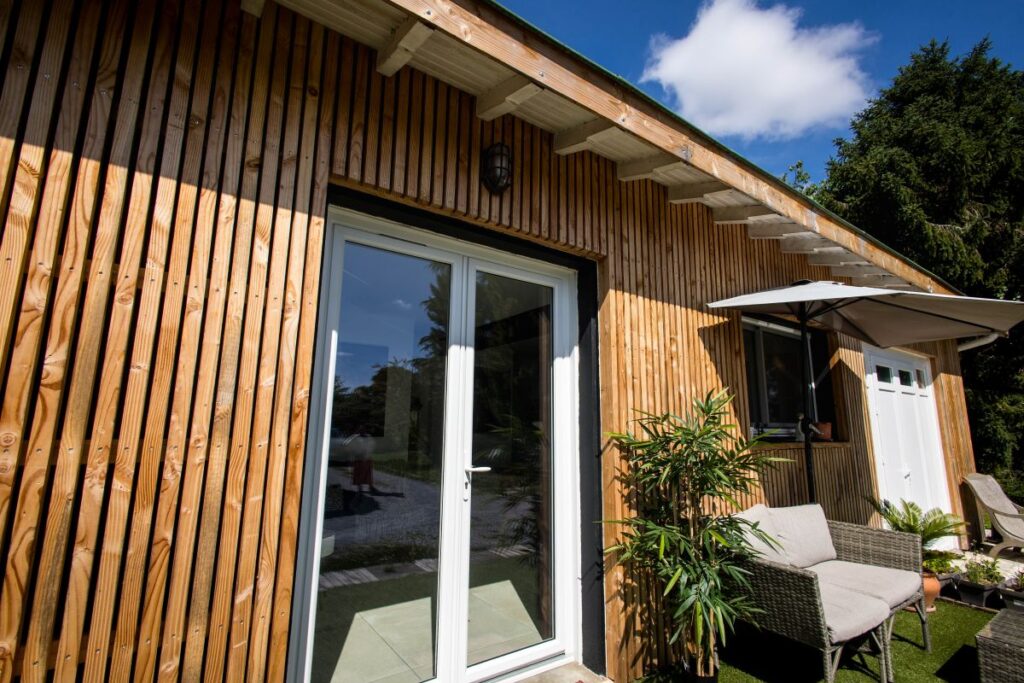
Why Engineered Wood Siding Is Gaining Popularity
Engineered wood siding offers a balance between aesthetics, durability, and affordability. It is designed to mimic the natural beauty of traditional wood while improving resistance to moisture, pests, and weather damage.
For homeowners in Ashland, VA and surrounding areas, where humidity and seasonal weather changes can affect exterior materials, engineered wood siding provides a practical and attractive solution.
Here are some of the main reasons this siding option continues to grow in popularity:
- Natural Appearance: Replicates the look of real wood with consistent grain patterns
- Improved Durability: Engineered to resist rot, insects, and moisture damage
- Cost Efficiency: Typically more affordable than traditional wood siding
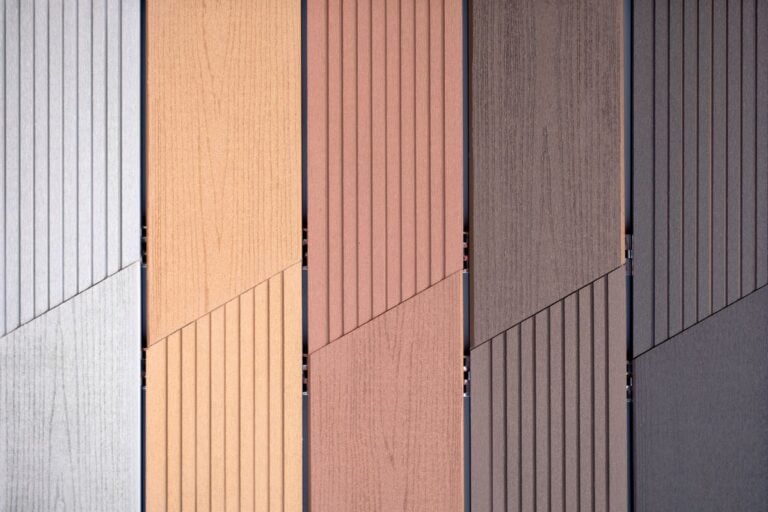
- Versatile Design Options: Available in various styles, finishes, and colors
- Easier Maintenance: Requires less upkeep compared to natural wood
Understanding these benefits helps explain why more homeowners are considering engineered wood siding as a long-term investment.
6 Key Pros, Cons, and Installation Factors to Know
Engineered wood siding offers many advantages, but it is important to understand both its strengths and limitations. Installation quality also plays a major role in how well it performs over time.
1. Durability vs Moisture Sensitivity
Engineered wood siding is designed to be more durable than natural wood. It is treated to resist pests and environmental damage.
Pros:
- Strong resistance to termites and insects
- Better protection against moisture compared to traditional wood
- Holds up well in varying weather conditions
Cons:
- Can still be vulnerable to prolonged moisture exposure if not properly sealed
- Poor installation may lead to water intrusion
Proper sealing and installation are critical to ensuring long-term durability.
2. Cost vs Long-Term Value
One of the biggest advantages of engineered wood siding is its affordability compared to high-end materials.
Pros:
- Lower upfront cost than fiber cement or natural wood
- Good balance between price and performance
- Potential for strong return on investment
Cons:
- May not last as long as premium materials like fiber cement
- Replacement costs can add up over time if not maintained
For many homeowners in Ashland, VA and surrounding areas, engineered wood offers an appealing middle ground.
3. Appearance vs Authenticity
Engineered wood siding is designed to replicate the look of real wood, making it an attractive option for many homes.
Pros:
- Consistent and uniform appearance
- Available in multiple textures and finishes
- Enhances curb appeal
Cons:
- May not fully match the authenticity of natural wood
- Limited customization compared to real wood
For most homeowners, the visual difference is minimal, especially with high-quality products.
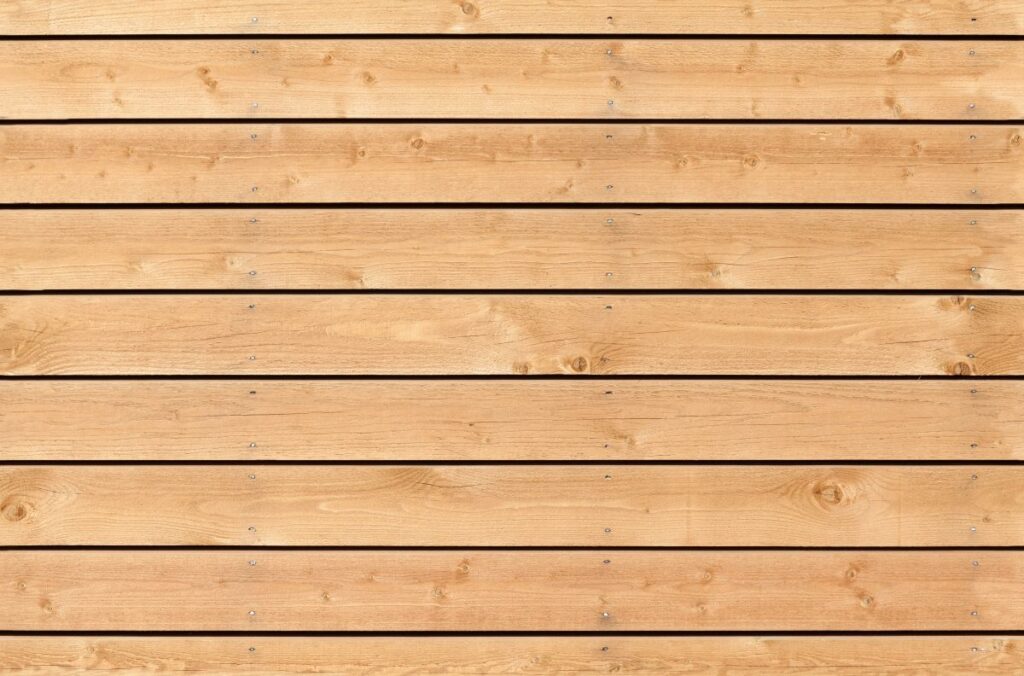
4. Maintenance Requirements vs Longevity
Engineered wood siding requires less maintenance than traditional wood, but it still needs some upkeep.
Pros:
- Does not require frequent painting
- Resistant to common wood issues like warping
- Easier to maintain than natural wood
Cons:
- Needs periodic inspections and touch-ups
- Paint or finish may need refreshing over time
Routine maintenance helps extend the lifespan and preserve the appearance.
5. Installation Complexity vs Performance
Installation plays a crucial role in how well engineered wood siding performs.
Pros:
- Lighter than fiber cement, making installation easier
- Faster installation compared to heavier materials
- Compatible with many home styles
Cons:
- Requires proper spacing and sealing to prevent moisture issues
- Incorrect installation can reduce lifespan
Hiring experienced professionals ensures the siding performs as intended.
6. Environmental Impact vs Manufacturing Process
Engineered wood siding is often considered a more sustainable option than some alternatives.
Pros:
- Uses wood fibers efficiently
- Reduces waste compared to solid wood
- Often sourced from renewable materials
Cons:
- Manufacturing involves adhesives and resins
- Not entirely natural compared to solid wood
For eco-conscious homeowners, it offers a reasonable balance between sustainability and performance.
What to Expect During Installation
Understanding the installation process helps homeowners prepare and ensures better results. Engineered wood siding must be installed correctly to maximize its durability and performance.
Here are the main steps involved in a typical installation:
Preparation and Inspection
Before installation begins, the existing exterior must be inspected and prepared.
- Removal of old siding if necessary
- Inspection of underlying structure for damage
- Installation of weather-resistant barriers
Proper preparation ensures a solid foundation for the new siding.
Cutting and Fitting Panels
Engineered wood siding panels are cut to fit the dimensions of the home.
- Precision cutting for clean edges
- Proper spacing to allow expansion and contraction
- Alignment to maintain a uniform appearance
Accurate fitting is essential for both performance and aesthetics.
Securing and Sealing
Once panels are in place, they are securely fastened and sealed.
- Use of appropriate fasteners
- Sealing joints to prevent moisture intrusion
- Ensuring proper ventilation behind siding
This step is critical for preventing long-term issues such as water damage.
Finishing Touches
The final stage involves completing the look and ensuring durability.
- Painting or finishing if required
- Inspection for gaps or imperfections
- Cleanup and final walkthrough
A professional installation ensures the siding looks great and performs well for years.
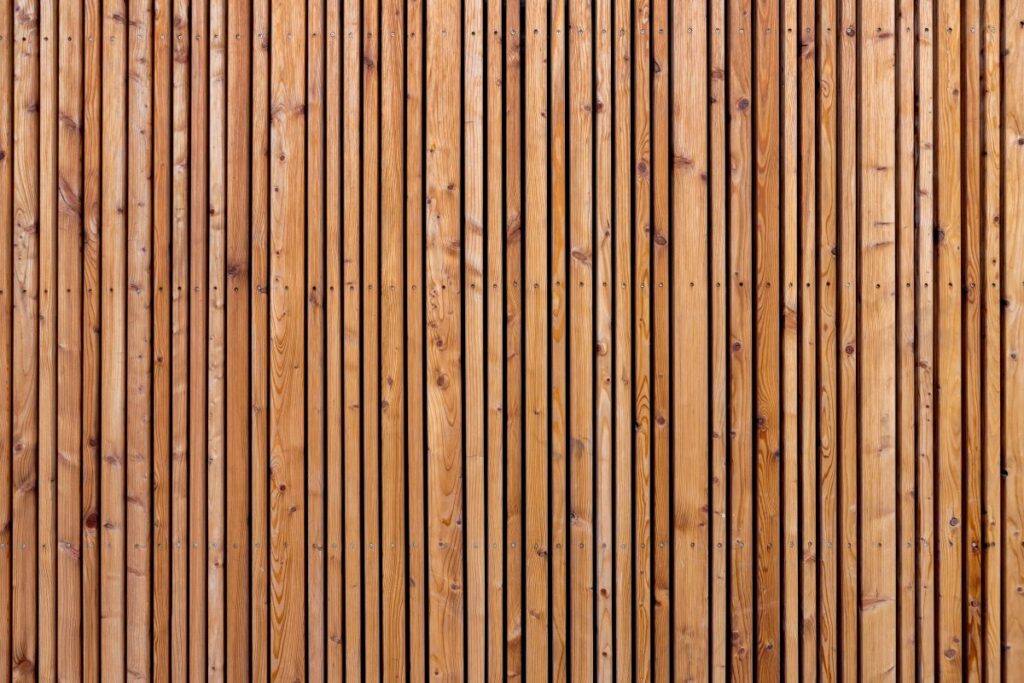
Engineered Wood vs Other Siding Materials
Comparing engineered wood siding to other materials can help you determine whether it is the best choice for your home.
Engineered Wood vs Vinyl
- Engineered wood offers a more natural appearance
- Vinyl requires less maintenance
- Vinyl is typically more affordable upfront
Engineered Wood vs Fiber Cement
- Fiber cement is more durable and longer-lasting
- Engineered wood is lighter and easier to install
- Engineered wood is often more budget-friendly
Engineered Wood vs Natural Wood
- Engineered wood is more resistant to pests and moisture
- Natural wood offers unmatched authenticity
- Engineered wood requires less maintenance
Quick Comparison Table
| Feature | Engineered Wood | Vinyl | Fiber Cement | Natural Wood |
| Cost | Moderate | Low | High | High |
| Maintenance | Moderate | Low | Moderate | High |
| Appearance | Natural look | Versatile | Premium | Authentic |
| Durability | Good | Good | Excellent | Moderate |
| Installation | Easier | Easy | Complex | Moderate |
For homeowners in Ashland, VA and surrounding areas, engineered wood siding offers a well-rounded option that balances cost, durability, and visual appeal.
Making the Right Choice for Your Home Exterior
Choosing siding is about more than just selecting a material. It is about finding the right balance between appearance, durability, cost, and maintenance.
Engineered wood siding is an excellent option for homeowners who want the look of wood without the high upkeep. It provides strong performance when properly installed and maintained, making it a practical choice for many homes.
However, it is important to consider your long-term goals. If you prioritize maximum durability, fiber cement may be a better fit. If you want the lowest maintenance option, vinyl may be worth considering.
For many homeowners in Ashland, VA and surrounding areas, engineered wood siding strikes the right balance between these factors.
Upgrade Your Home with Confidence
Engineered wood siding offers a compelling combination of style, durability, and value. With proper installation and maintenance, it can enhance your home’s appearance while providing reliable protection for years to come.
Working with experienced professionals ensures that your siding is installed correctly and performs at its best. Kenneth Daniel Roofing is committed to helping homeowners make informed decisions and achieve high-quality results.
If you are ready to explore your options or start your siding project, contact us today to get expert guidance and personalized recommendations.
EXPLORE OUR RECENT ARTICLES
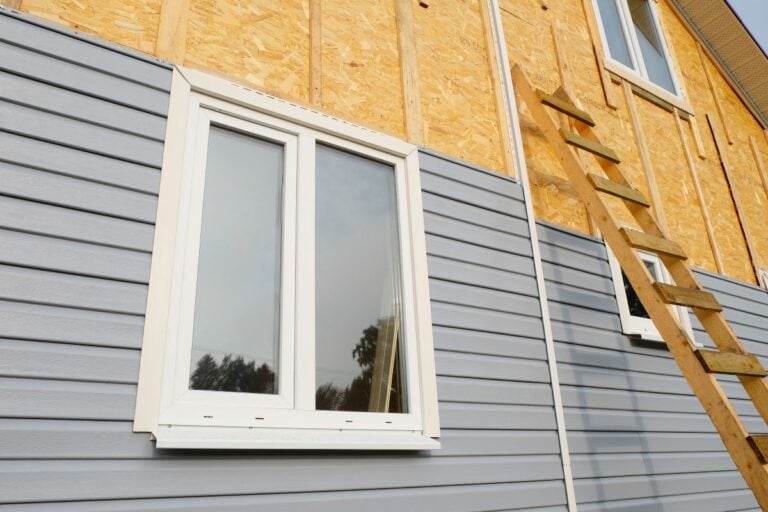
We’re Redefining Roofing. You In?