(434) 944-6005
5 Reasons Your Roof Has Curling Shingles (& What to Do Next)
 6.3.25
 6 minutes read

Curling shingles are more than just an eyesore—they’re a warning sign that your roof needs attention. When shingles begin to curl, cup, or lift at the edges, they compromise your home’s protection against the elements. Understanding why this happens and how to address it can save you thousands in potential water damage and extend your roof’s lifespan.
This comprehensive guide will walk you through the main causes of curling shingles, help you identify the warning signs, and provide clear steps for addressing this common roofing problem. You’ll also learn when to call professionals and how to prevent future curling issues.
🤔 What Are Curling Shingles?
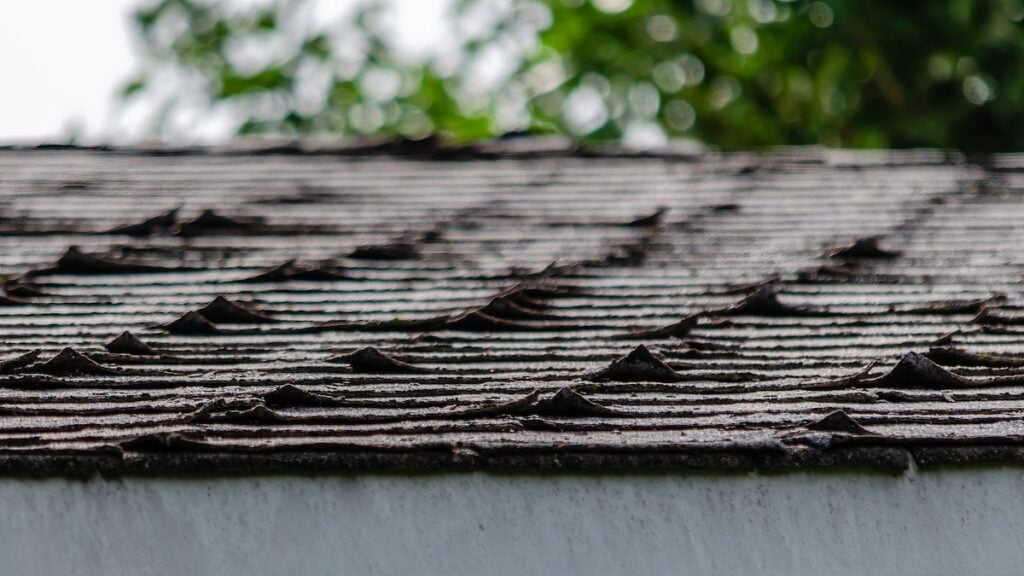
Curling shingles occur when the edges or corners of asphalt shingles begin to lift, bend, or turn upward. This creates gaps where water, wind, and debris can penetrate your roof system. There are three main types of shingle curling:
Cupping happens when the center of the shingle sinks while the edges curl upward, creating a concave shape. This typically occurs due to moisture absorption from underneath the shingle.
Clawing is when the edges of shingles curl upward while the center remains flat. This usually results from thermal expansion and contraction or manufacturing defects.
Lifting occurs when entire sections of shingles pull away from the roof deck, often due to improper installation or severe weather conditions.
Warning Signs to Watch For
Identifying curling shingles early can prevent more serious roofing problems. Here are key warning signs to monitor:
- Inspect roof edges and valleys from the ground for curling shingles, using binoculars for a closer look.
- Look for granule loss in gutters or around the foundation, as curling shingles shed granules faster.
- Watch for water stains on ceilings or walls, which could indicate moisture penetration from curled shingles.
- Monitor energy bills—higher costs may mean curled shingles are affecting insulation and ventilation.
👉 5 Common Causes of Curling Shingles

Curling shingles can indicate underlying issues with your roof, such as poor ventilation, aging materials, or water damage. Identifying the cause early can help prevent costly repairs and protect your home from further damage..
1. Age and Natural Wear
Asphalt shingles naturally deteriorate over time. Most standard shingles last 15-25 years, depending on quality and environmental conditions. As shingles age, they lose their flexibility and protective granules, making them more susceptible to curling.
Older shingles become brittle and can no longer expand and contract smoothly with temperature changes. The asphalt backing hardens, causing the shingle to curl as it loses its ability to lay flat against the roof deck.
2. Poor Ventilation
Inadequate attic ventilation is one of the leading causes of premature shingle curling. When your attic doesn’t have proper airflow, heat and moisture build up, creating conditions that damage shingles from below.
Hot air trapped in the attic can reach temperatures of 150°F or higher during summer months. This excessive heat causes shingles to dry out and become brittle, leading to curling and cracking. Proper ventilation allows hot air to escape and cool air to circulate, maintaining a balanced temperature.
3. Moisture Problems
Moisture infiltration from leaks, condensation, or poor vapor barriers can cause shingles to curl from underneath. When moisture gets trapped between the shingle and roof deck, it causes the shingle to expand and contract unevenly.
High humidity levels in the attic can also contribute to moisture problems. Without proper ventilation, this humidity condenses on the underside of shingles, causing them to warp and curl over time.
4. Installation Issues
Improper installation techniques can lead to premature curling shingles. Common installation problems include:
- Incorrect nail placement or using too few nails per shingle
- Inadequate starter strips or improper overlap
- Installing shingles in extreme temperatures
- Using incompatible materials or adhesives
Professional installation following manufacturer specifications is crucial for preventing these issues and ensuring your roof’s longevity.
5. Thermal Movement
Extreme temperature fluctuations cause shingles to expand and contract repeatedly. This thermal movement puts stress on the shingle material, eventually causing it to lose its shape and curl.
Areas with significant temperature swings between seasons are particularly susceptible to this problem. The constant expansion and contraction weakens the shingle’s structural integrity over time.
🛠️ How to Address Curling Shingles
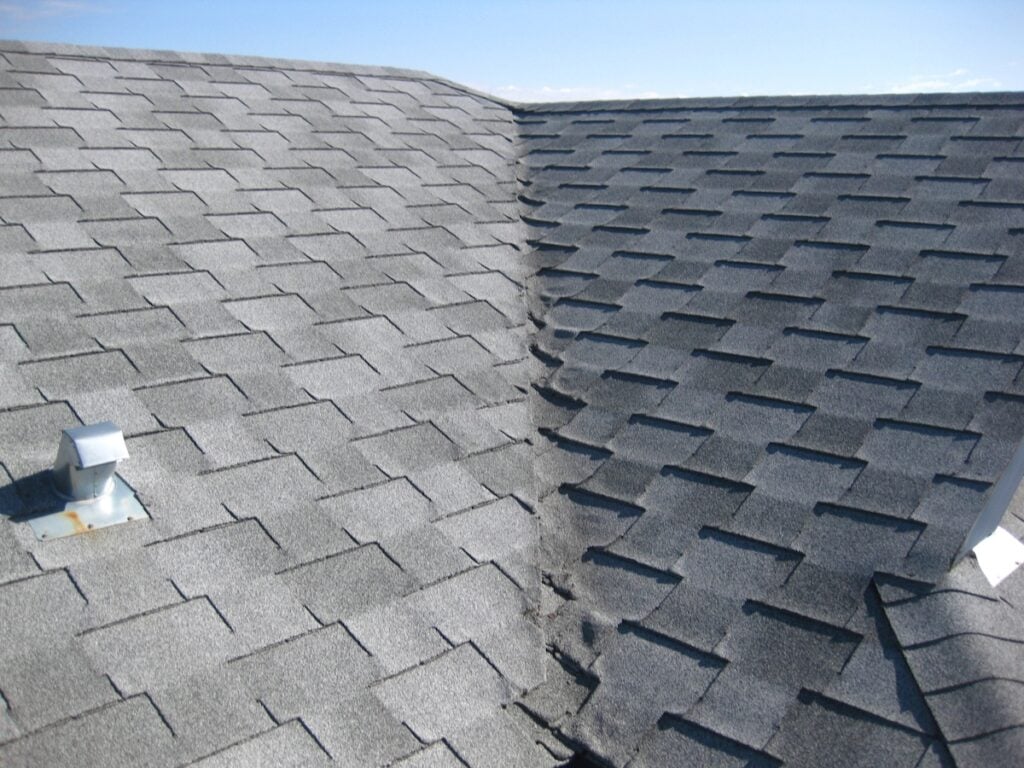
Curling shingles can leave your roof vulnerable to leaks and water damage, potentially leading to costly repairs. Addressing this issue promptly helps protect your home and extend the lifespan of your roof..
Immediate Steps
If you notice curling shingles, take these immediate actions:
Start by documenting the damage with photos for insurance purposes. Avoid walking on the roof, as curled shingles are often brittle and can break easily.
Remove any debris from gutters and roof surfaces that might trap moisture. Clear overhanging branches that could damage shingles during storms.
For minor curling on a few shingles, you might temporarily secure loose edges with roofing cement. However, this is only a short-term solution and won’t address underlying causes.
Professional Assessment
Contact a qualified roofing contractor for a comprehensive inspection. Professional assessment is essential because curling shingles often indicate larger systemic problems that require expert evaluation.
A thorough inspection should include:
- Examination of the entire roof system
- Assessment of attic ventilation
- Check for proper installation techniques
- Evaluation of underlying moisture problems
Long-term Solutions
Depending on the extent of the problem, solutions may include:
Partial replacement for localized curling affecting small areas. This approach works when the majority of your roof remains in good condition.
Full roof replacement may be necessary if curling is widespread or if your roof is approaching the end of its expected lifespan.
Ventilation improvements can address underlying causes and prevent future curling issues. This might include installing ridge vents, soffit vents, or attic fans.
👨🔧 Trust Kenneth Daniel Roofing for Your Curling Shingle Solutions
At Kenneth Daniel Roofing, we understand that curling shingles are more than just a cosmetic issue—they’re a sign that your roof may need professional attention. With over 10 years of experience, GAF Master Elite certification, and a commitment to top-tier customer service, our team is here to provide honest assessments and lasting solutions you deserve.
Trust us to protect your home with quality workmanship and transparent communication every step of the way. Contact Kenneth Daniel Roofing today for a free inspection and let us help you safeguard your home for years to come!
EXPLORE OUR RECENT ARTICLES
We’re Redefining Roofing. You In?