(434) 944-6005
Commercial Roof Warranty in 2026 (8 Tips You Will Need)
 2.27.26
 9 minutes read

Protecting a commercial building requires more than simply installing a durable roof. A commercial roof warranty plays a major role in protecting your investment, ensuring repairs or replacements are covered if issues arise. When property owners explore long-term roofing options, understanding how warranties work can prevent costly surprises down the road. Knowing what your warranty covers, how long it lasts, and how to maintain it properly is essential for business owners who want their roofing system to perform reliably for decades.
In this guide, you’ll learn:
- What a commercial roof warranty actually covers
- The different types of warranties available in 2026
- Key tips for protecting and maintaining your warranty
- Common mistakes that can void coverage
- How to choose the right warranty for your building
Why Commercial Roof Warranties Matter for Building Owners
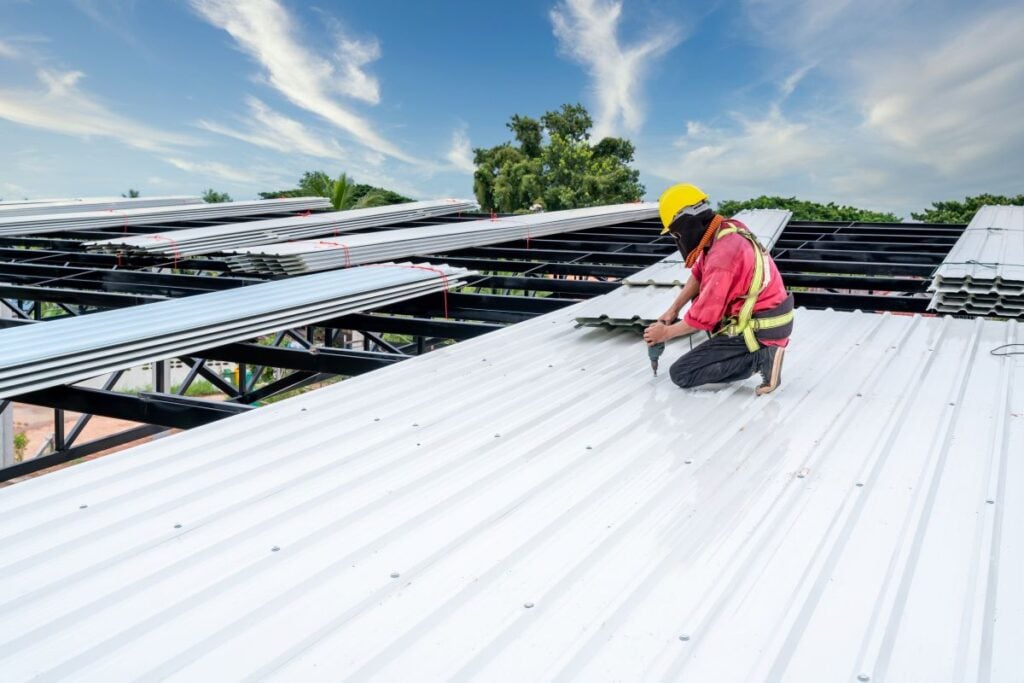
A roof is one of the most expensive components of any commercial building. While modern roofing systems are designed to last decades, unexpected problems can still occur due to weather, installation errors, or manufacturing defects.
A warranty provides a layer of financial protection and peace of mind for property owners. When structured properly, it ensures that repair costs or material failures are covered within a defined period.
Here are several reasons why commercial roof warranties are essential for building owners.
- Financial Protection: Roofing repairs or replacements can cost thousands of dollars. A warranty helps protect your business from unexpected expenses caused by material defects or installation problems.
- Quality Assurance: Manufacturers and contractors stand behind their products and workmanship when a warranty is provided, giving property owners confidence in the system being installed.
- Long Term Investment Security: A reliable warranty protects your roofing investment throughout the expected lifespan of the system.
- Maintenance Guidance: Many warranties include maintenance guidelines that help property owners keep their roofs performing properly for years.
- Property Value Support: Buildings with valid roofing warranties can be more attractive to potential buyers, tenants, or investors.
For property owners in Wilson, NC and surrounding areas, commercial roof warranties often provide reassurance that their building remains protected against unexpected roofing issues.
8 Essential Tips for Understanding Commercial Roof Warranties
Many building owners assume all warranties are the same, but that is rarely the case. Understanding how warranties work can help you avoid costly misunderstandings and ensure you receive the protection you expect.
Below are eight important tips every commercial property owner should know about roof warranties in 2026.
1. Understand the Difference Between Manufacturer and Contractor Warranties
Commercial roofing warranties generally fall into two categories: manufacturer warranties and contractor workmanship warranties.
Manufacturer warranties cover defects in roofing materials. Contractor warranties cover installation quality.
Key differences include:
- Manufacturer warranties protect against material failure
- Contractor warranties address installation errors
- Coverage length and terms vary significantly
Having both types of coverage ensures the entire roofing system is protected.
2. Review What Is Actually Covered
Not all warranties provide the same level of protection. Some only cover roofing materials, while others include labor, insulation, and accessories.
When reviewing warranty documentation, check whether it includes:
- Material replacement costs
- Labor for repairs
- Leak damage coverage
- Insulation or membrane replacement
Understanding the details prevents confusion if a problem occurs.
3. Pay Attention to Warranty Length
Commercial roofing warranties typically range from 10 to 30 years depending on the system and manufacturer.
Common coverage periods include:
- 10 year limited warranties
- 15 to 20 year system warranties
- 25 to 30 year premium warranties
Longer warranties often require thicker membranes or enhanced installation standards.
4. Know What Can Void Your Warranty
Many building owners unintentionally void their warranty by performing unauthorized repairs or neglecting maintenance.
Common warranty violations include:
- Hiring unapproved contractors for repairs
- Installing rooftop equipment improperly
- Failing to complete scheduled inspections
- Allowing debris buildup or drainage problems
Understanding these restrictions helps preserve coverage.
5. Schedule Regular Roof Inspections
Routine inspections are one of the best ways to protect a commercial roof warranty.
Professional inspections help identify minor issues before they become major problems that might fall outside warranty coverage.
Most manufacturers recommend inspections:
- Twice per year
- After major storms
- Before and after severe winter conditions
Businesses in Wilson, NC and surrounding areas often schedule inspections in spring and fall to stay compliant with warranty requirements.
6. Maintain Proper Documentation
Warranty claims often require documentation proving the roof has been properly maintained.
Important records include:
- Inspection reports
- Maintenance logs
- Repair invoices
- Installation documentation
Keeping organized records can make the claims process much smoother if a problem arises.
7. Choose a Certified Roofing Contractor
Many manufacturers require installation by certified contractors in order for the warranty to remain valid.
Certified installers are trained to meet manufacturer standards for:
- Proper membrane installation
- Flashing techniques
- Drainage design
- Material compatibility
Choosing a qualified contractor significantly reduces the risk of warranty disputes.
8. Understand Warranty Transfer Options
Some commercial roof warranties can be transferred to a new building owner if the property is sold.
Transferable warranties can add value during real estate transactions.
However, transfer policies often include requirements such as:
- Notification within a certain time period
- Inspection before transfer approval
- Administrative transfer fees
Property owners should review these conditions before listing a building for sale.
Common Types of Commercial Roof Warranties in 2026
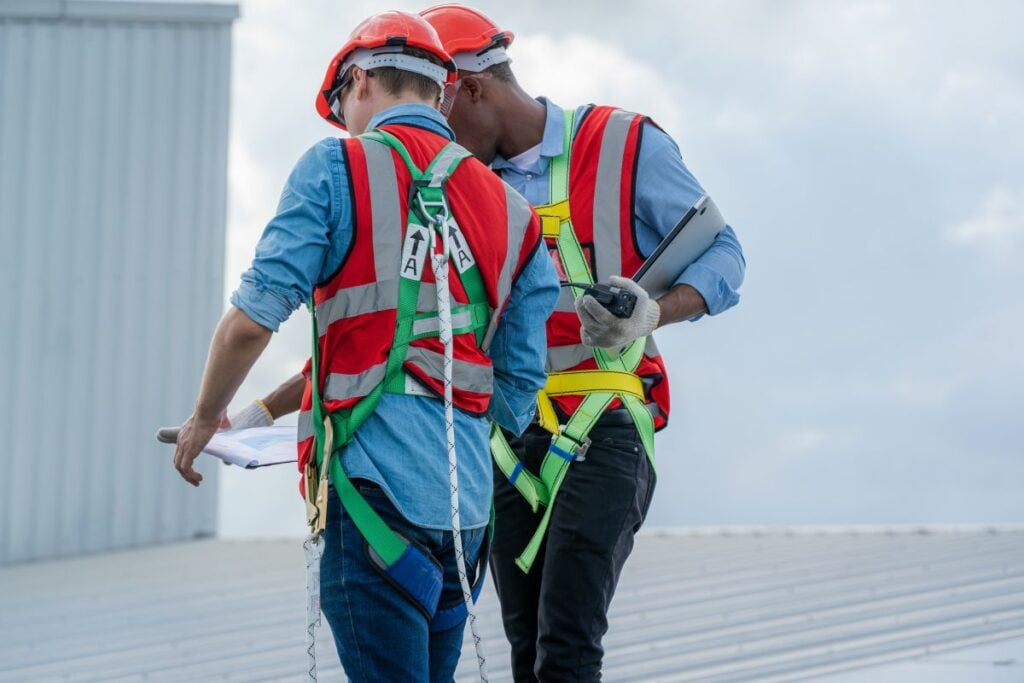
Commercial roofing technology has evolved significantly, and warranty structures have evolved as well. Understanding the most common warranty types helps property owners choose the best coverage for their building.
Manufacturer Material Warranty
This is the most basic type of warranty and typically comes with most roofing materials.
It covers defects in the roofing product itself but usually does not include labor costs for repairs.
Coverage typically includes:
- Membrane defects
- Premature deterioration
- Manufacturing errors
While helpful, this warranty alone may not cover full repair costs.
Workmanship Warranty
A workmanship warranty is provided by the roofing contractor and covers installation errors.
If leaks or structural issues occur due to improper installation, the contractor is responsible for repairs.
Coverage length varies but often ranges from:
- 1 to 10 years depending on the contractor
- Longer periods for premium installation packages
Choosing a reputable contractor is critical for strong workmanship coverage.
Full System Warranty
A full system warranty is one of the most comprehensive options available.
This type of warranty covers the entire roofing assembly, including:
- Membrane materials
- Insulation
- Flashing components
- Labor for repairs
These warranties typically last 20 to 30 years and are often backed directly by the manufacturer.
No Dollar Limit Warranty (NDL)
No Dollar Limit warranties provide extensive protection without placing a maximum cost cap on repairs.
If the roofing system fails within the warranty period, covered repairs are completed without a predetermined financial limit.
These warranties often require:
- Certified installation
- Approved materials
- Strict maintenance guidelines
Many commercial property owners in Wilson, NC and surrounding areas choose NDL warranties because they provide some of the most comprehensive coverage available.
How to Protect and Maximize Your Commercial Roof Warranty
Even the best warranty cannot help if its requirements are not followed. Protecting your coverage requires proactive maintenance and responsible roof management.
Understanding how to maintain warranty compliance can extend the life of your roof and prevent unexpected repair costs.
Schedule Preventative Maintenance
Preventative maintenance helps detect issues before they cause damage.
Regular maintenance tasks include:
- Clearing debris from drains and gutters
- Inspecting flashing and seams
- Checking rooftop equipment mounts
- Ensuring drainage systems function properly
Routine care protects both the roof and the warranty.
Address Repairs Quickly
Minor roofing problems can become major issues if left unattended.
If leaks or damage are detected, professional repairs should be completed immediately.
Waiting too long to address issues may violate warranty terms.
Control Roof Access
Commercial roofs often contain HVAC systems, antennas, or other equipment that requires periodic access.
However, uncontrolled foot traffic can damage roofing membranes.
Building owners should:
- Limit roof access to authorized personnel
- Use designated walk paths
- Require protective mats around equipment areas
These precautions reduce the risk of accidental damage.
Work Only With Approved Contractors
Warranty guidelines often require repairs or modifications to be completed by approved professionals.
Unauthorized work may void coverage entirely.
Property owners should confirm contractor certification before scheduling repairs or equipment installation.
Monitor Weather Related Damage
Severe weather events such as hailstorms or strong winds can impact commercial roofs.
After major storms, scheduling a professional inspection ensures any damage is documented and repaired under warranty if applicable.
Businesses in Wilson, NC and surrounding areas often face seasonal storms, making post-storm inspections an important part of warranty protection.
Comparing Commercial Roof Warranty Options

Selecting the right warranty depends on several factors, including building size, roofing material, and long term maintenance plans. Understanding the differences between warranty types can help property owners make informed decisions.
| Warranty Type | Coverage Scope | Typical Length | Best For |
| Material Warranty | Covers product defects only | 10–20 years | Budget focused installations |
| Workmanship Warranty | Covers installation errors | 1–10 years | Ensuring contractor accountability |
| Full System Warranty | Covers materials and labor | 20–30 years | Comprehensive protection |
| NDL Warranty | No cost limit on covered repairs | 20–30 years | Large commercial properties |
When comparing options, property owners should evaluate both coverage scope and long term maintenance requirements.
A slightly higher upfront investment in a stronger warranty often leads to significant savings if problems occur later.
Protect Your Building with the Right Roofing Warranty
A commercial roof warranty is more than a piece of paperwork. It is a critical part of protecting your building, your tenants, and your long term financial investment.
Understanding warranty types, maintenance requirements, and installation standards can help property owners avoid costly mistakes and ensure their roofing system performs reliably for decades.
If you own or manage a commercial property in Wilson, NC and surrounding areas, working with an experienced roofing contractor can help you choose the right system and warranty for your building. The team at Kenneth Daniel Roofing provides expert guidance, professional installation, and dependable roofing solutions designed to protect your property long term. If you want to discuss your options or schedule an inspection, contact us today to speak with a roofing professional about your commercial roofing needs.
EXPLORE OUR RECENT ARTICLES
We’re Redefining Roofing. You In?