(434) 944-6005
6 Commercial Roof Snow Removal Guide for 2026 (Tips For Business)
 1.16.26
 6 minutes read

Winter storms can dump massive loads of snow onto your building, and if you don’t take action, the weight can threaten your entire roof system. Commercial roof snow removal isn’t just about clearing surfaces—it’s a critical part of protecting your investment, keeping people safe, and maintaining uninterrupted operations. If your building needs a game plan before the next snowfall, now is the time to evaluate the structure with our expert commercial roofing services.
Here’s what you’ll learn in this guide:
- Why snow removal matters for safety and structural integrity
- The 6-step process to handle removal correctly
- Pro tips on choosing the right tools, timing, and team
- What businesses in Ashland and surrounding areas should expect
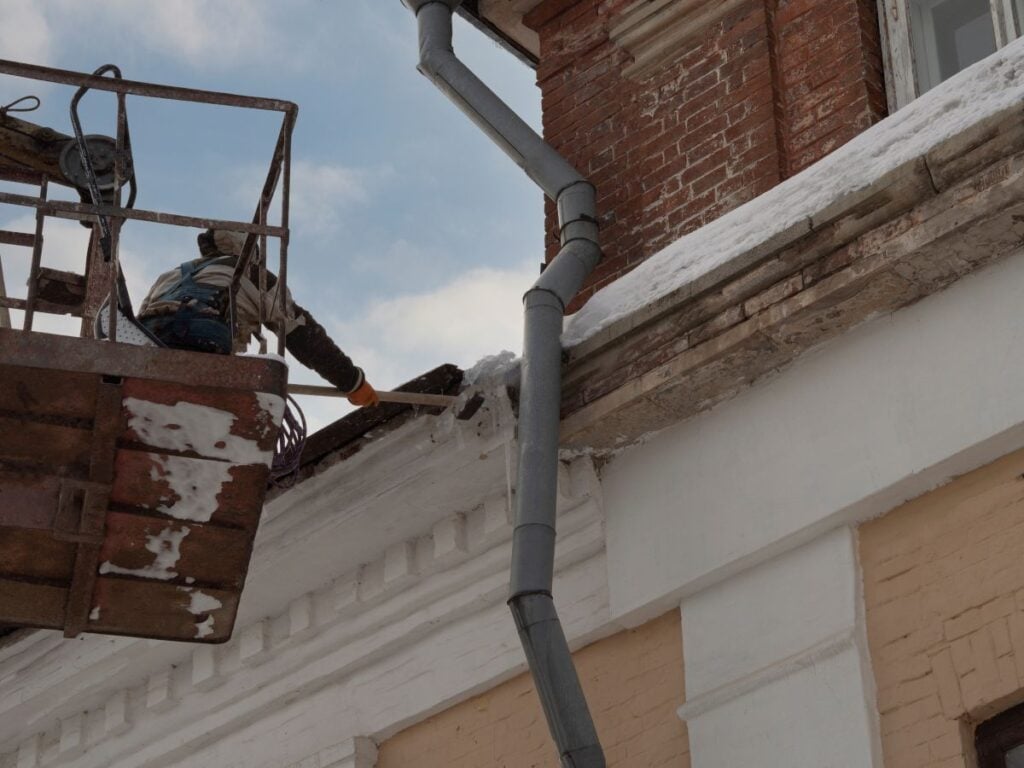
Why Snow Removal Is a Big Deal for Commercial Roofs
It doesn’t take a blizzard to cause roof damage. Even light snow accumulation can build into dangerous loads—especially if the roof is flat. That’s why businesses in Ashland and surrounding areas must be proactive. A proactive commercial roof inspection helps property owners address vulnerabilities early and reduce emergency repair costs during peak winter conditions.
- Prevents structural collapse: Just 1 foot of wet snow can weigh over 20 pounds per square foot
- Reduces interior water damage: Melting snow can find cracks, seams, or low spots
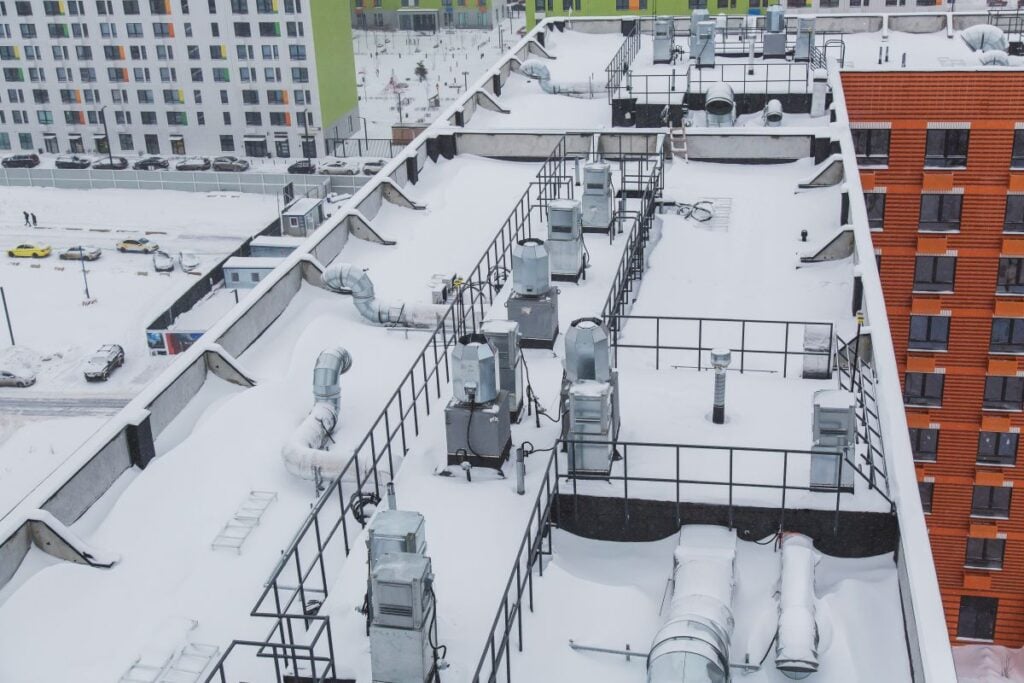
- Protects rooftop systems: Snow piles can crush or block HVAC units, vents, or drains
- Keeps staff and customers safe: Falling snow or ice from roof edges creates liability risks
- Minimizes costly repairs: Removing snow early can prevent damage to membranes, flashings, and insulation
6 Key Steps for Safe and Effective Snow Removal
Removing snow from a commercial roof isn’t something to rush. It requires planning, technique, and the right tools. Follow these steps to get it done properly. Property owners can partner with trusted commercial roofing services in Ashland, VA to ensure safe removal practices, structural monitoring, and preventative winter care tailored to local weather conditions.
1. Monitor Snow Load and Accumulation
Track both the depth and density of snowfall. Wet, heavy snow puts much more strain on a roof than light powder.
- Use snow gauges or load sensors if available
- Be aware of “drift zones” where snow piles due to wind
- Watch for signs like creaking, sagging, or interior leaks
When snow exceeds your roof’s weight capacity, take action immediately.
2. Prioritize High-Risk Areas
Some areas of your roof are more prone to damage than others. Focus on:
- Overloaded sections near walls or parapets
- Around rooftop equipment and skylights
- Drainage paths and gutters to prevent ponding
Targeting problem zones first can prevent larger issues while the rest of the roof is cleared.
3. Use the Right Tools
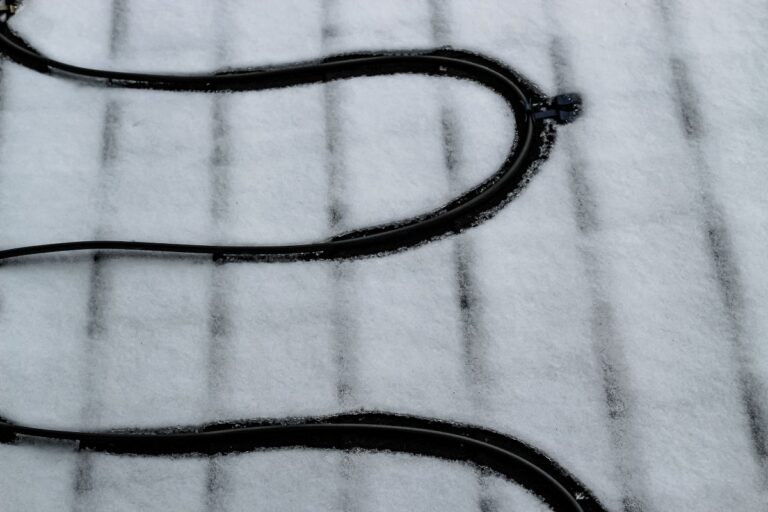
Avoid anything that could puncture or damage your roofing membrane. Installing preventative systems like roof de-icing cables can help manage ice dams, improve drainage flow, and reduce the need for repeated manual snow removal throughout the season.
- Use plastic snow rakes or roof-specific pushers
- Never use metal shovels or sharp-edged tools
- For built-up snow, consider low-pressure steam or heated systems
The goal is to clear snow without compromising your roof’s waterproof layer.
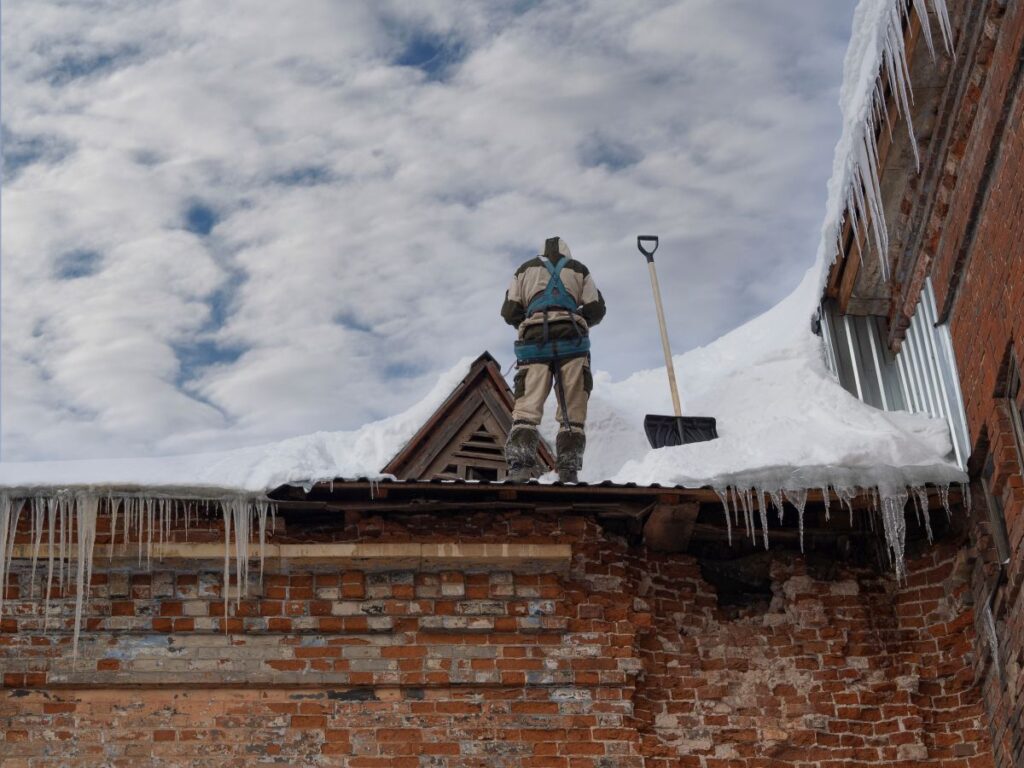
4. Work in Layers, Not All at Once
Removing all snow at once can create sudden load shifts, increasing collapse risk.
- Clear a few inches at a time across wide areas
- Work from the edge toward the center if it’s safe
- Always avoid piling snow on other roof sections
This approach keeps balance and minimizes material stress.
5. Use a Professional Crew for Large Jobs
For most commercial properties, this isn’t a DIY job.
- Trained crews know how to navigate roof systems safely
- They bring OSHA-approved fall protection and ladders
- Professionals understand how to protect HVAC and drainage systems
Hiring the right team avoids injury, liability, and poor results.
6. Schedule Preventative Snow Management
Plan ahead rather than waiting for storms to pile up.
- Set up seasonal maintenance contracts with response time guarantees
- Monitor weather forecasts and set removal thresholds (e.g., 6 inches of snow or 20 PSF load)
- Schedule mid-season inspections to catch damage early
Preventative planning saves thousands in emergency repairs and shutdowns.
Tools, Materials, and Crew Safety
Let’s go deeper into what equipment and materials are ideal for protecting both the roof and the crew handling it.
Safe Snow Removal Tools
- Plastic Roof Rakes: Lightweight and membrane-safe
- Foam Pushers: Gentle on modified bitumen or single-ply systems
- Low-Pressure Steamers: Ideal for clearing ice dams without chemicals
- Snow Melt Systems: Integrated roof heating cables for ongoing prevention
Protective Materials for Sensitive Areas
- Plywood Sheets: Distribute weight under ladders or boots
- Temporary Barriers: Mark off skylights or HVAC zones
- Edge Guards: Protect parapets and flashing from tool impact
Crew Safety Musts
- OSHA-rated harness systems and anchors
- Ice cleats and safety helmets
- Clear communication and spotters from ground level
Never send untrained staff onto a snowy roof. Even experienced crews need strict protocols to ensure safety and roof integrity.
Comparing Snow Removal Plans for Businesses
Different types of commercial buildings need different strategies. Here’s a comparison to help owners in Ashland and surrounding areas build the right plan:
| Building Type | Snow Risk Level | Best Removal Frequency | Key Considerations |
| Retail / Strip Malls | Moderate–High | After 6–8 inches | Protect customers from ice fall at entrances |
| Industrial Warehouses | High | After 4–6 inches | Monitor load-bearing zones with equipment |
| Office Complexes | Moderate | After 6–10 inches | Plan for employee access and parking safety |
| Churches & Schools | High | Immediately after storm | Clear entrances and emergency access points |
Each plan should be tailored to your facility’s roof type, age, and local snow patterns. In Ashland and surrounding areas, average snowfall may vary, but the impact of a single storm can still be significant. Businesses seeking structured seasonal planning can rely on professional commercial roofing services in Rocky Mount, NC to create response thresholds and preventative maintenance schedules that protect their investment.
Tips for Ongoing Snow Readiness
Preparing your building before snow hits makes everything easier once it does. Use this checklist for year-round protection.
- Inspect roof in fall: Check for low spots, loose flashing, and clogged drains
- Clean gutters and scuppers: Ensures snowmelt can drain properly
- Reinforce weak sections: Add support if decking or trusses show signs of wear
- Label rooftop equipment: Make HVAC and venting easier to find under snow
- Establish vendor contracts early: Don’t wait until peak season to find help
By following this routine, property owners in Ashland and surrounding areas can stay ahead of snow threats instead of reacting to damage.
Protect Your Property This Winter with Kenneth Daniel Roofing
A heavy snowstorm doesn’t have to lead to a roofing emergency. With proper commercial roof snow removal, you can avoid structural issues, interior leaks, and expensive downtime. All it takes is preparation, the right team, and a plan designed for your building’s unique needs. Property owners can schedule dependable commercial roofing services in Lake Gaston, NC to safeguard their facilities before the next storm arrives.
If your commercial property in Ashland and surrounding areas needs help preparing for winter or recovering from a recent storm, contact us today. Kenneth Daniel Roofing offers trusted expertise, safe snow removal practices, and proactive care that protects your roof all season long.
EXPLORE OUR RECENT ARTICLES

We’re Redefining Roofing. You In?