(434) 944-6005
Best Commercial Roof Sealing in 2026 (6 Pro Tips to Prevent Leaks)
 1.9.26
 6 minutes read

Leaks in a commercial roof can lead to costly repairs, inventory damage, and downtime for your business. One of the simplest ways to prevent all that? Commercial roof sealing. It’s a proactive maintenance solution that saves money, improves performance, and extends the life of your building’s roofing system. Learn how this protective step fits into a full-service plan by exploring our approach to commercial roofing systems.
Here’s what you’ll learn in this guide:
- Why commercial roof sealing is critical for leak prevention
- 6 expert-approved sealing strategies that work
- Tips to choose the right materials and sealants
- How to make sealing part of your long-term maintenance plan
Why Commercial Roof Sealing Shouldn’t Be Skipped
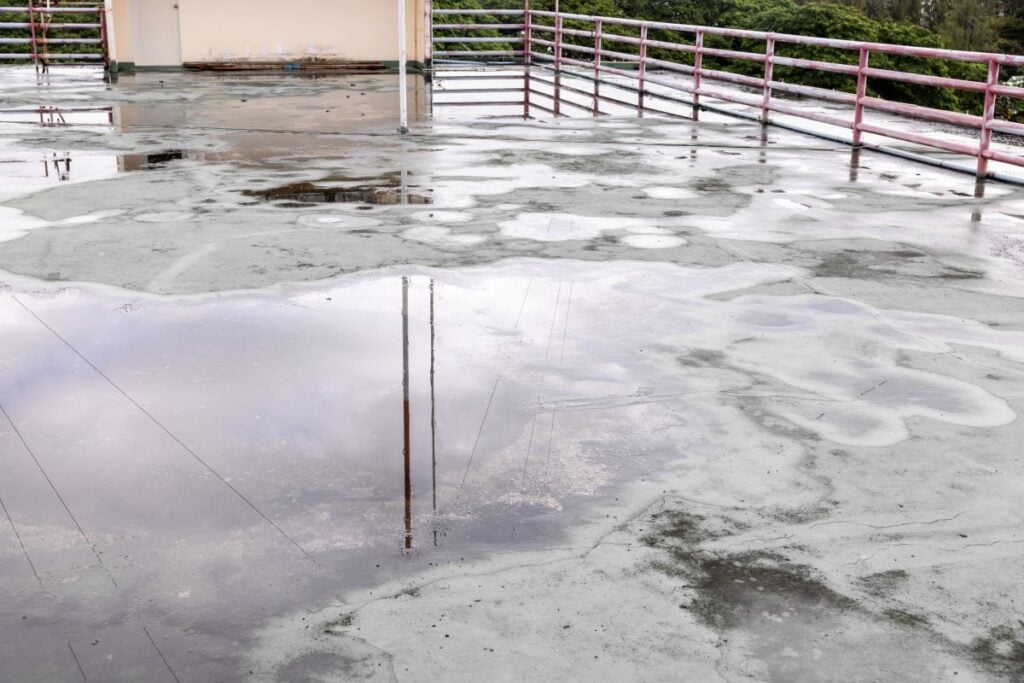
Flat and low-slope commercial roofs are more vulnerable to leaks than most sloped residential systems. Water pools, temperature swings stretch materials, and UV rays accelerate wear. For property owners in Richmond and surrounding areas, that means sealing isn’t optional—it’s essential. Learning about the process behind commercial roof leak repair helps property owners understand why preventive sealing is always the smarter financial decision.
- Prevents leaks: Sealing fills cracks, seams, and surface gaps before water finds its way in
- Extends lifespan: Regular sealing reduces degradation and postpones full roof replacement
- Boosts energy performance: Reflective coatings reduce solar heat gain, easing HVAC load
- Improves ROI: Sealing is more affordable than repairs and adds years to your system
- Protects warranties: Many manufacturers require periodic maintenance like sealing to keep coverage valid
6 Pro Tips for Effective Roof Sealing in 2026
You can’t just roll on a coating and hope for the best. A successful sealing project follows a clear process and considers all the variables. Here’s what the pros do differently.
1. Start with a Full Roof Inspection
Before applying any sealant, it’s crucial to assess the condition of the roof. Property owners who want a deeper understanding of what professionals look for should review this guide to a commercial roof inspection, which outlines the key structural and surface checks performed before applying sealants.
- Look for cracks, blisters, ponding areas, and membrane separations
- Test seams and penetrations for early signs of failure
- Check prior coating layers for compatibility or damage
This step ensures you’re sealing the right areas and not masking bigger issues.
2. Clean and Prep the Surface Thoroughly
Sealants can only bond to a clean, dry surface. Skipping this step leads to premature failure.
- Pressure wash or hand-clean the roof to remove dirt, oils, and debris
- Let the roof dry completely (typically 24–48 hours)
- Prime the surface if using silicone or polyurethane sealants
Poor prep is one of the top causes of commercial sealant delamination or peeling.
3. Choose the Right Sealant for Your Roof Type
Different roofing systems need different sealants. Here’s a quick guide:
- Silicone: Best for flat roofs, UV protection, and ponding water resistance
- Acrylic: Economical; good for sloped roofs with positive drainage
- Polyurethane: Tough and impact-resistant; bonds well to many materials
- Butyl Rubber: Great for seams, flashings, and joints on metal or single-ply roofs
Each material has its strengths, so consult with a qualified roofing contractor to ensure compatibility.
4. Focus on Seams, Flashings, and Penetrations
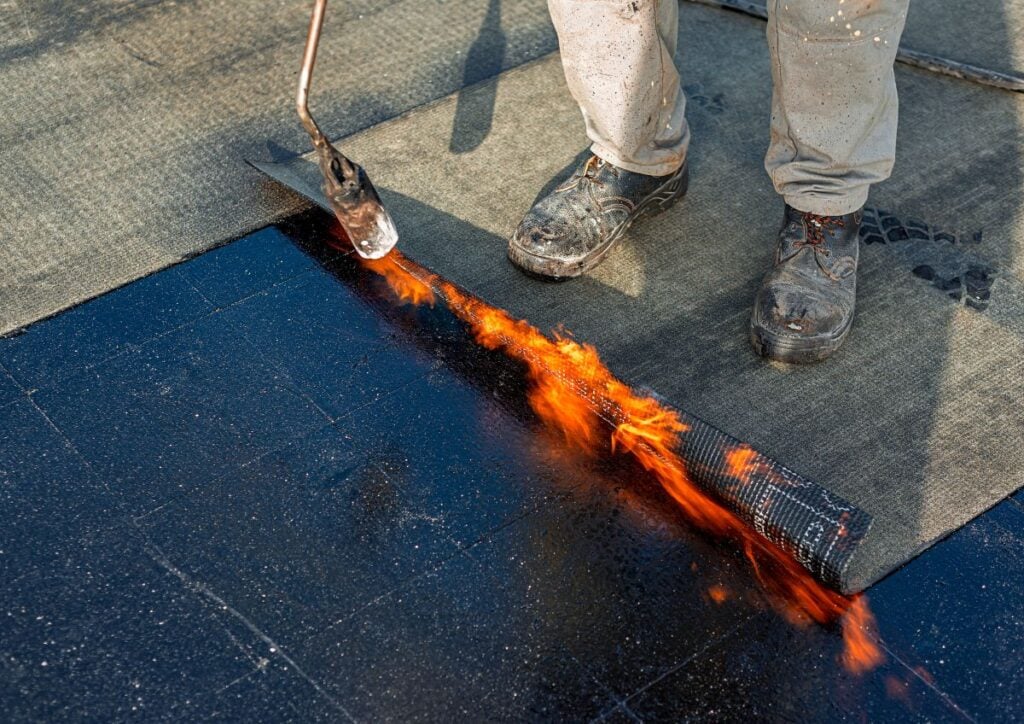
These are the areas most vulnerable to leaks—and where many contractors cut corners.
- Seal HVAC curbs, skylight perimeters, roof drains, and vents
- Apply extra material to corners and transition areas
- Reinforce seams with mesh fabric or tape before coating
These reinforcement steps may take more time, but they’re worth every penny.
5. Apply Multiple Coats as Recommended
Don’t assume one layer is enough. Most commercial sealants require two or more coats for full coverage.
- Follow the manufacturer’s dry time between coats
- Use rollers or sprayers designed for the material you’re applying
- Monitor thickness (mil rating) to meet warranty or performance standards
Too thin a coat leads to early failure. Too thick can cause sagging or uneven curing.
6. Maintain and Reseal Every Few Years
Sealing isn’t a one-and-done job. Keeping your roof protected means staying ahead of wear. Property owners seeking proactive maintenance can explore dependable commercial roofing services in Rocky Mount, NC to keep their buildings protected year-round.
- Schedule an annual inspection for all sealed areas
- Reseal vulnerable zones every 5–7 years depending on the material
- Touch up any cracks, splits, or UV damage as needed
This habit keeps you ahead of leaks and maximizes the value of your roofing system.
What Makes a Roof “Seal-Ready”?
Not all commercial roofs are immediately ready to be sealed. Some systems need repairs or structural updates first. Here’s what to check:
Solid Membrane Condition
If your existing roof has bubbling, open seams, or trapped moisture, sealing over it may cause more damage. These issues need to be corrected before coating.
Positive Drainage
Flat roofs with standing water can cause sealants to break down over time. Improving slope or installing tapered insulation may be required.
Compatible Materials
Layering incompatible products (e.g., acrylic over silicone) can lead to bonding failures. Know what’s already on your roof before selecting a sealant.
Weather Forecast
Sealing requires dry, moderate conditions. Temperature and humidity affect how products cure, so plan your project for spring or fall in Richmond and surrounding areas.
Compare Commercial Roof Sealants
Here’s a quick comparison of the most common sealant types for commercial buildings:
| Sealant Type | UV Resistance | Ponding Water Resistance | Cost | Typical Lifespan | Best For |
| Silicone | Excellent | Excellent | Moderate–High | 15–20 years | Flat roofs, harsh sun exposure |
| Acrylic | Good | Poor to Moderate | Low–Moderate | 7–10 years | Sloped roofs, budget-focused |
| Polyurethane | Excellent | Moderate | High | 10–15 years | High-traffic roofs, footpaths |
| Butyl Rubber | Good | Moderate | Moderate | 8–12 years | Metal seams, flashing, joints |
These numbers vary based on product quality and installer expertise, so always choose an experienced team familiar with your roof type.
Roof Sealing Tips for Richmond and Surrounding Areas
Richmond’s mix of summer heat, thunderstorms, and cold winters makes proactive sealing especially important. Property owners in Richmond and surrounding areas should take these extra precautions:
- Check after storm season: High winds and heavy rain can damage seals, especially on low-slope roofs
- Use reflective coatings: Cut cooling costs and reduce strain on HVAC systems
- Seal in spring or fall: Mild weather allows for better adhesion and longer working windows
- Work with local contractors: They’ll know what sealants hold up best in the Mid-Atlantic climate
When you seal with local insight, your roof is prepared for everything the seasons throw at it. Businesses can rely on trusted commercial roofing services in Ashland, VA for tailored sealing solutions built to withstand regional climate challenges.
Protect Your Building with Kenneth Daniel Roofing
Commercial roof sealing is one of the smartest ways to prevent leaks, improve energy efficiency, and extend your roof’s lifespan. But doing it right takes more than a brush and a bucket—it takes strategy, experience, and the right materials. Businesses can schedule professional commercial roofing services in Roanoke Rapids, NC to safeguard their investment with expert-level care.
If your property in Richmond and surrounding areas is due for sealing, or if you’re not sure what your roof needs, contact us today and schedule an inspection. Kenneth Daniel Roofing delivers professional sealing services backed by knowledge, integrity, and quality that lasts.
EXPLORE OUR RECENT ARTICLES
We’re Redefining Roofing. You In?